Gurnick Academy of Medical Arts

Medical Assistant

Concord
Concord, CA
Certificate · Hybrid
Medical Assistant
Gurnick Academy is institutionally accredited by ABHES and approved to operate by the California BPPE.
Blended delivery at the Concord campus (residential and distance education) with a clinical externship.
Tuition is $14,227.50, plus a $100 registration fee and $150.00 for textbooks.
This program takes about 30 weeks to complete (948.5 clock hours / 44.5 quarter credits).
A $100 non-refundable registration fee is charged.
Federal and state financial aid is available to those who qualify; Gurnick Academy's FAFSA school code is 041698.

Medical Assistant is a Certificate program (Hybrid) offered by Gurnick Academy of Medical Arts in Concord, CA. The program takes 30 weeks to complete, with a total tuition of $14,228.

Program Overview

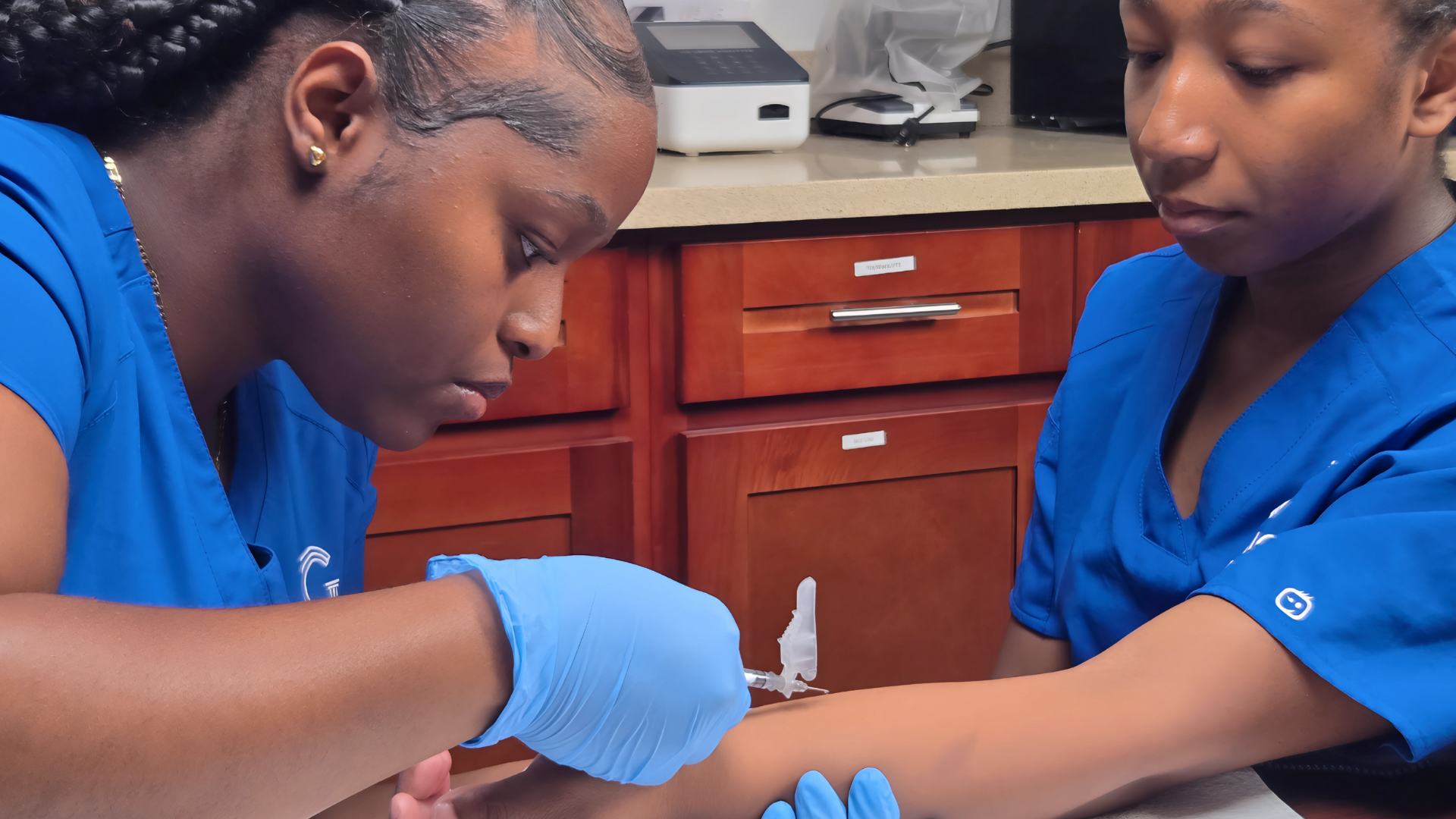
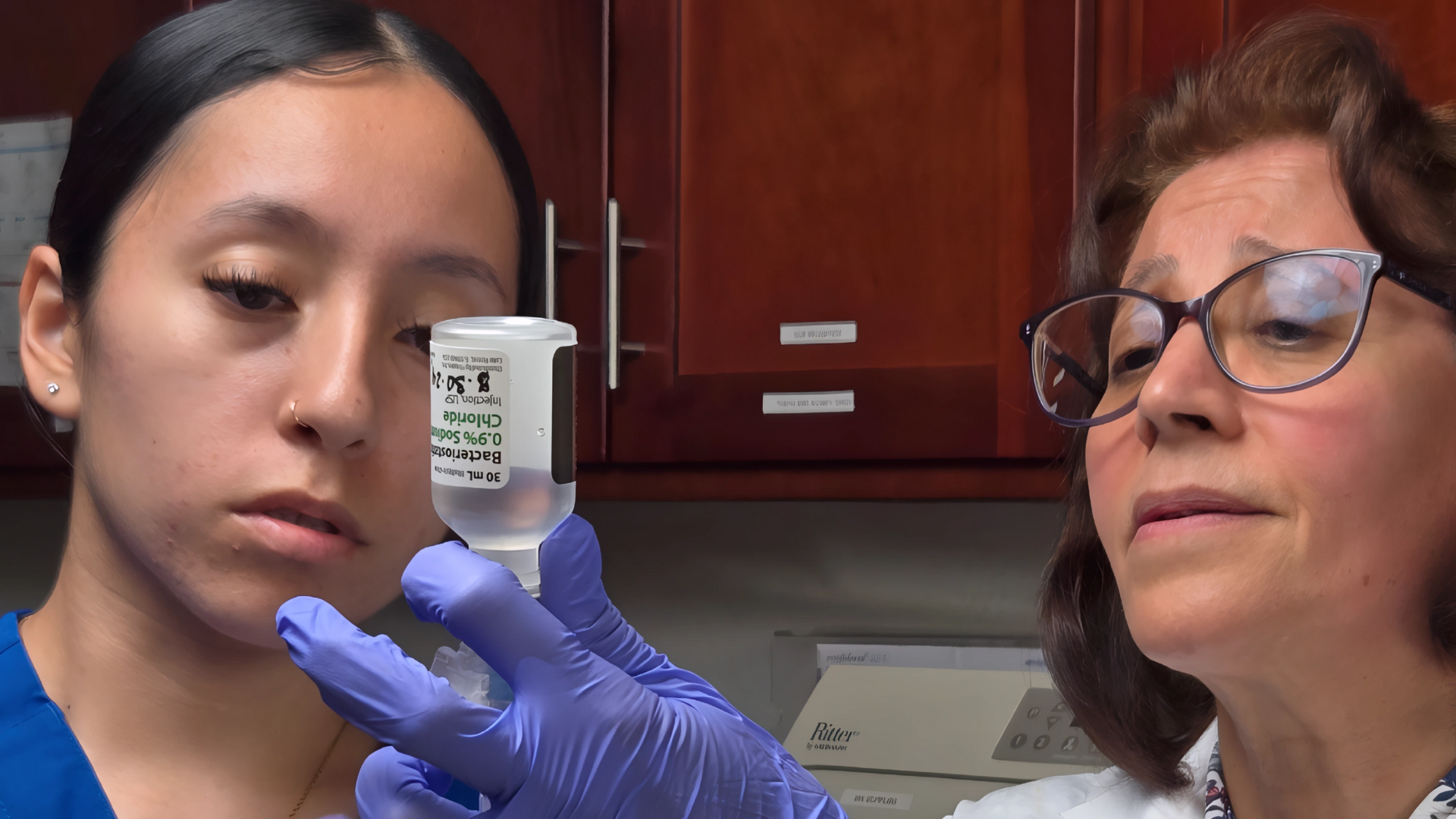
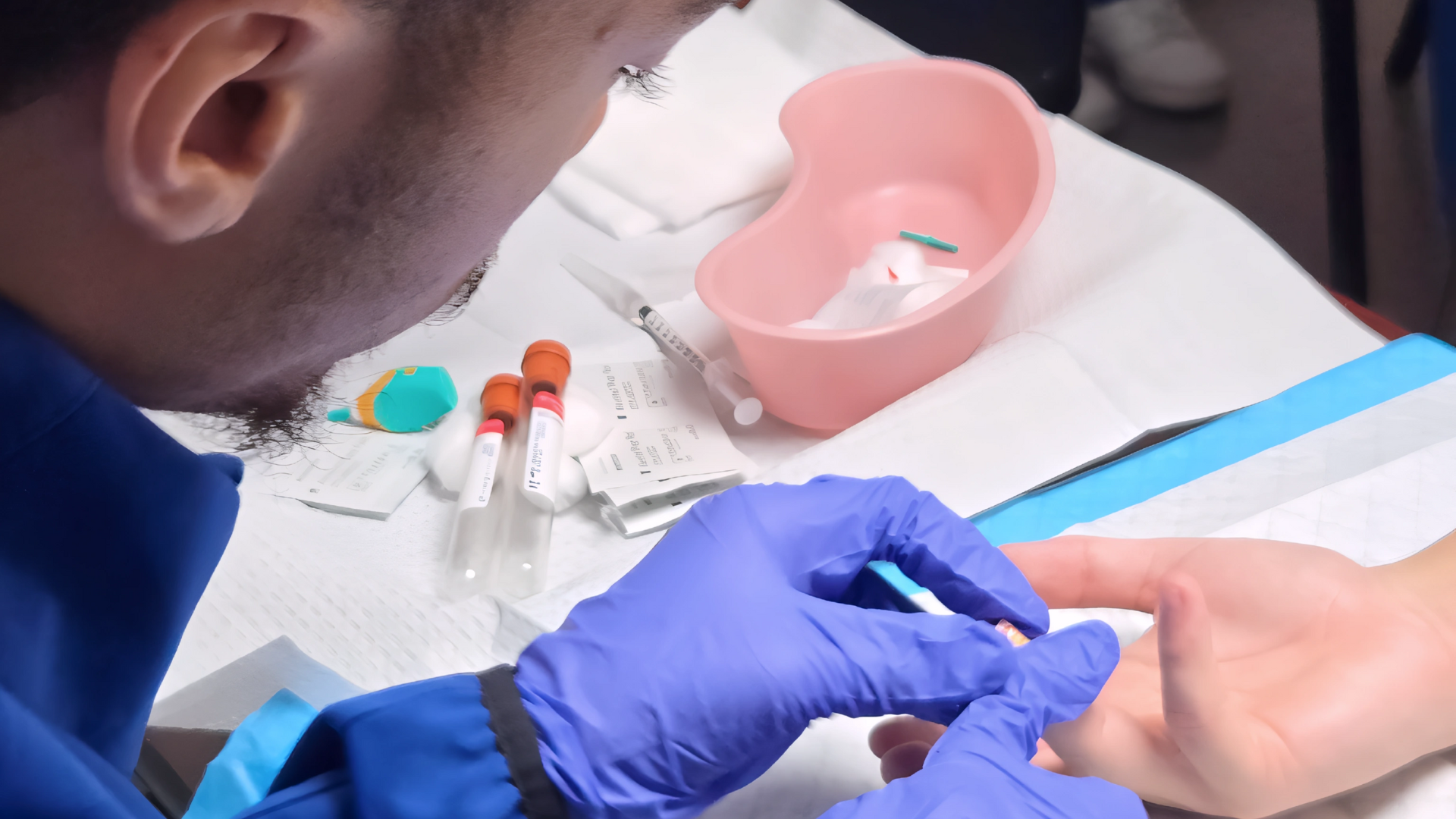
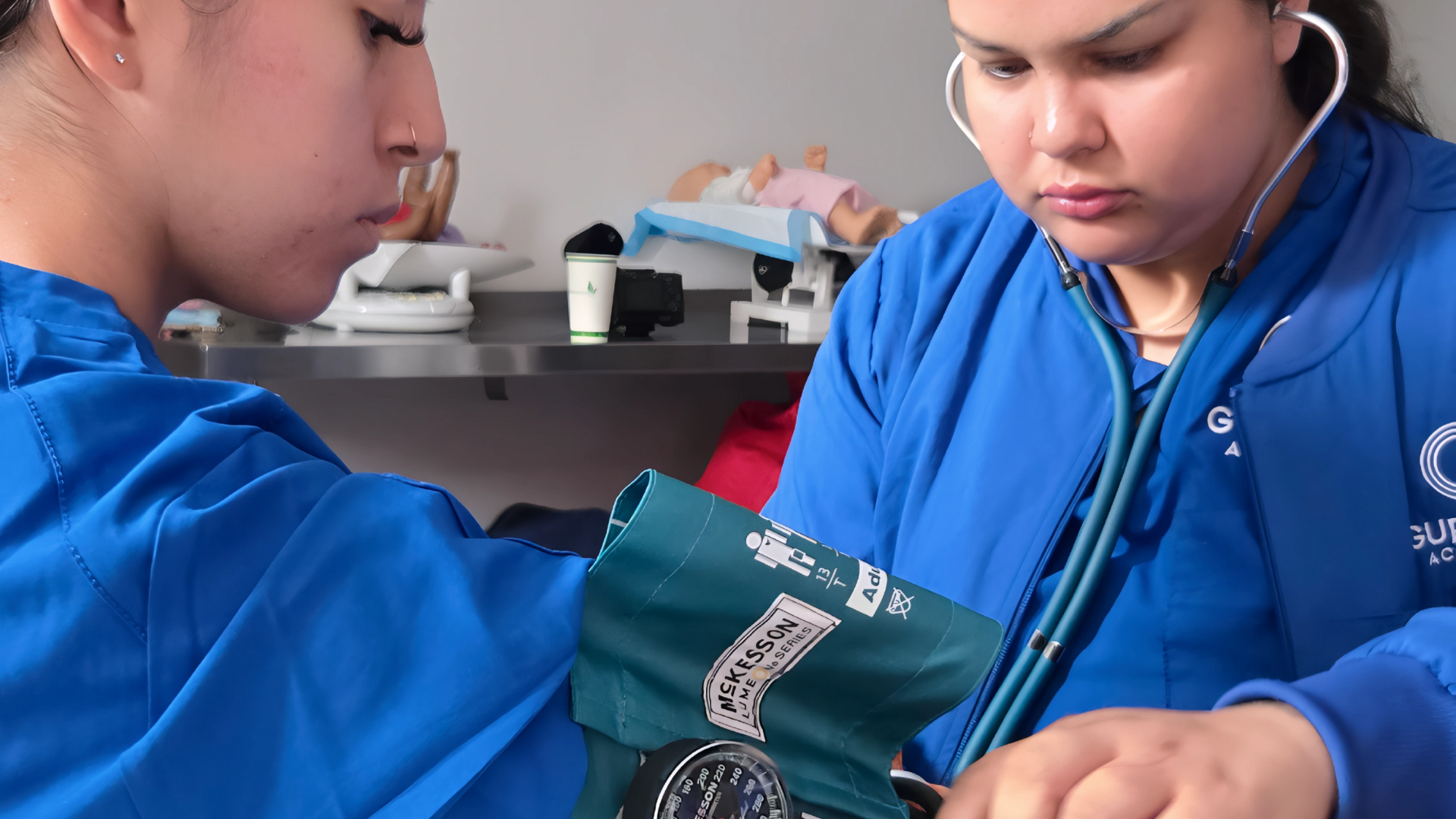
Gurnick Academy of Medical Arts Medical Assistant graduates join the healthcare field. Medical Assistants are a vital part of the healthcare team, completing administrative and clinical tasks in physicians’ offices, hospitals, and other healthcare facilities. Students will practice and become proficient in various clinical skills, including patient education, phlebotomy, and administering first aid.

Program goals and objectives.

  • Administer quality education and training that develops the potential of each student to become a productive, responsible, and professional member of society, as well as a skilled member of the medical assisting workforce.
  • Prepare competent entry-level medical assistants in the cognitive (knowledge), psychomotor (skills), and affective (behavior) learning domains.
  • Foster open access and a supportive environment to encourage student success in the classroom, laboratory, and externship sites.
  • Encourage students to uphold professionalism, integrity, and high standards of excellence.
  • Adhere to professional standards, incorporating the legal and ethical responsibilities of medical assistants.
  • Train students to organize, prioritize, and delegate care by communicating effectively with medical team members.
  • Develop and apply knowledge of specific disease conditions in the prevention, treatment, and well-being of the patients.
  • Equip students to take the Certified Clinical Medical Assistant (CCMA-NHA) and Certified EKG Technician (CET-NHA) national exams.

What sets this Program apart

  • CCMA/CET Exam Prep
  • Hands-On Lab Training
  • Clinical Hours Provided
  • Job Placement Assistance

Admission Requirements and Process

All applicants to Gurnick Academy of Medical Arts must meet the General Admission Requirements for all Programs, including the entrance exam where required, and the additional admission requirements for this program.

  • Be at least 17 to be admitted to the program with parent or guardian consent. Applicants must be at least 18 at the beginning of the clinical externship.
  • Submit an essay (no longer than one (1) page, double-spaced, typed, or handwritten) that describes the following: • Reasons for the applicant’s desire to become a Medical Assistant. • The applicant’s attributes that will support their ability to complete the MA program. • The applicant has the necessary people, routines, and resources to support their efforts throughout the program.
  • Some campuses (such as those with an applicant pool larger than the number of available seats at the desired location) may require an additional step: an interview with the MA Program Supervisor, Program Coordinator, or their designee.

General Requirements

  • Entrance exam
    Complete the entrance exam with the minimum required score: CCAT with a minimum score of 16.
  • High school transcript
    Possess an official high school transcript from an approved/accredited high school or equivalent; foreign credentials follow the Foreign Transcript/Degree Evaluation Policy.
  • Minimum age
    Be at least 18 (official ID is required) to enroll in a core program; some programs allow enrollment at age 17.
  • Online application
    Complete the Online Application, the Distance Education Questionnaire, the Academic Integrity Statement and the Consent to Receive Electronic Communications.
  • Health and background requirements
    Comply with Gurnick's immunization, health screening, background check and CPR/First Aid requirements; documentation is due before clinical rotations.
  • Admissions meeting
    Meet with the program's Admission Advisor to review all required disclosures and receive complete information before enrolling with Gurnick Academy of Medical Arts.
  • Financial aid meeting
    Meet with a Financial Aid Advisor to review all required disclosures and receive complete information before enrolling (this does not apply to non-financial aid programs or…

Application Process

  1. 1
    Attend an information session
    Attend or view a live or recorded information session for the program.
  2. 2
    Meet with an Admission Advisor
    Meet with the program's Admission Advisor to review all required disclosures and receive complete information before enrolling.
  3. 3
    Take the entrance exam
    Complete the entrance exam with the minimum required score (CCAT with a minimum score of 16).
  4. 4
    Complete the online application
    Complete the Online Application, including the Distance Education Questionnaire, the Academic Integrity Statement and the Consent to Receive Electronic Communications.
  5. 5
    Meet with a Financial Aid Advisor
    Meet with a Financial Aid Advisor to review required disclosures; to apply for federal aid, complete the FAFSA using Gurnick's school code 041698.
  6. 6
    Pay fees and enroll
    Pay the $100 non-refundable registration fee and all applicable fees per the published fee schedule before an enrollment agreement is issued.

Program Schedule

The program information, length, and schedule are subject to change. Read the accompanying Addendum for changes and updates, and connect with an Admission Advisor for details.

The Medical Assistant (MA) program provides a library and classrooms with audiovisual teaching aids, textbooks, and simulators. The Instructor-to-Student ratio is 1:15 in the laboratory, 1:30 during residential lectures, and 1:25 during online lectures. The program consists of 13 courses contained in three (3) modules.

Students must be available four (4) hours daily, Monday through Friday, for didactic and laboratory coursework.

While on Externship, students must be available 40 hours per week, Monday through Friday, and they may be required to accommodate alternative schedules based on facility placement business hours. Students must be able to complete the specific rotations on the provided schedule.

Students receive 231 didactic hours, 345 laboratory hours, and 180 hours of clinical externships, allowing them to apply the lecture topics and hands-on lab skills in practical use when placed in a healthcare facility. 192.5 hours will be spent outside work time.

The curriculum equips students with the technical, clinical, and interpersonal skills required to excel in the medical assisting field. A certificate is awarded upon completion of the program. The expected program completion time is 30 weeks, excluding holidays and vacation times.

Class times can and may be rescheduled to ensure on-time program completion and fulfillment of required program hours.

Upcoming start date for this program: January 4, 2027.

New cohorts start regularly throughout the year. Our start dates are as follows:
  • January 04th, 2027

Cost of Attendance and Financial Aid Information

Cost and Financial Aid Information is an estimate for general reference only. It is not an offer or guarantee of financial aid or of any price, and what a School charges you may differ.
Total Program Tuition
≈ $14,228
FAFSA Code
Net Price Calculator

Tuition and fees. Registration Fee (non-refundable) $100.00; Student Tuition Recovery Fund $0.00; Textbooks $150.00; Tuition $14,227.50. The addendum lists a total program cost of $14,447.50, which does not equal the sum of the listed charges; confirm the total with the campus. Total program cost excludes transportation, room and board, and personal expenses.

Total fees per period of enrollment. Period 1: $7,363.75; Period 2: $7,113.75.

Cost of Attendance, 2026–2027 (one academic year). Tuition & Fees $14,327.50; Books $150.00; Transportation $6,525.00; Food & Housing $18,911.00; Personal Expenses $683.00; Loan Fees $98.00; Laptop Fee $450.00; Total Cost of Attendance (One Academic Year) $41,144.50. Individual student costs will vary.

Financial aid. Gurnick Academy of Medical Arts participates in various federal and state student financial assistance programs, including the Federal Pell Grant, FSEOG, Direct and Direct PLUS Loans, Cal Grant, Sallie Mae® and Campus Door loans, and veteran benefits, for those who qualify. Each campus has a Financial Aid Advisor. Gurnick's FAFSA school code is 041698.

Net Price Calculator. Estimate your net price with Gurnick's Net Price Calculator.

Other fees, as applicable. ATI TEAS $120; background check $33–$75; drug testing $74–$148; CPR $55–$80; fingerprinting $81 and up; licensing board fees $200–$500 depending on the exam and license; campus parking permit $25; graduation ceremony fee $20–$50. Some of these fees may be paid by Gurnick Academy for some programs.

Curriculum

Students receive 231 didactic hours, 345 laboratory hours, and 180 hours of clinical externships; 192.5 hours will be spent in outside work time. The program consists of 13 courses in three modules.

Required Courses

Subject #NameCredits
MA 100Management5.5
MA 101Front Office Finances Front Office The Medical5.5
MA 102Professional Anatomy and Physiology for5.5
MA 107Medical Assistant I Anatomy and Physiology for1.5
MA 108Medical Assistant II Anatomy and Physiology for1.5
MA 109Medical Assistant III1.5
MA 120AMedical Terminology A1
MA 120BMedical Terminology B1
MA 200Back Office Clinical Foundations5
MA 201Back Office Clinical Skills5
MA 202Back Office Clinical Laboratory5.5
MA 300Clinical Externship6

Career Outcomes

Career paths. Medical Assistant, Medical Secretary and Administrative Assistant.

Certification and licensure. NHA Certified Clinical Medical Assistant (CCMA); NHA Certified EKG Technician (CET).

School Performance Fact Sheet, calendar year 2024. Medical Assistant – 948.5 Clock Hours at the Concord campus reported an on-time completion rate of 26% (9 of 34 students available for graduation); a job placement rate of 65% (20 of 31 graduates available for employment employed in the field) (published March 17, 2026).

Campus Address

Concord
1401 Willow Pass Road
Suite 450
Concord, CA 94520

Why Accreditation Is Important

Gurnick Academy of Medical Arts holds institutional accreditation by the Accrediting Bureau of Health Education Schools (ABHES) and is approved to operate by the California Bureau for Private Postsecondary Education (BPPE).

  • A reliable indicator of quality
  • Approved program of study
  • Qualified instructors
  • Recognition by employers nationwide

Accreditations

ABHES

Images

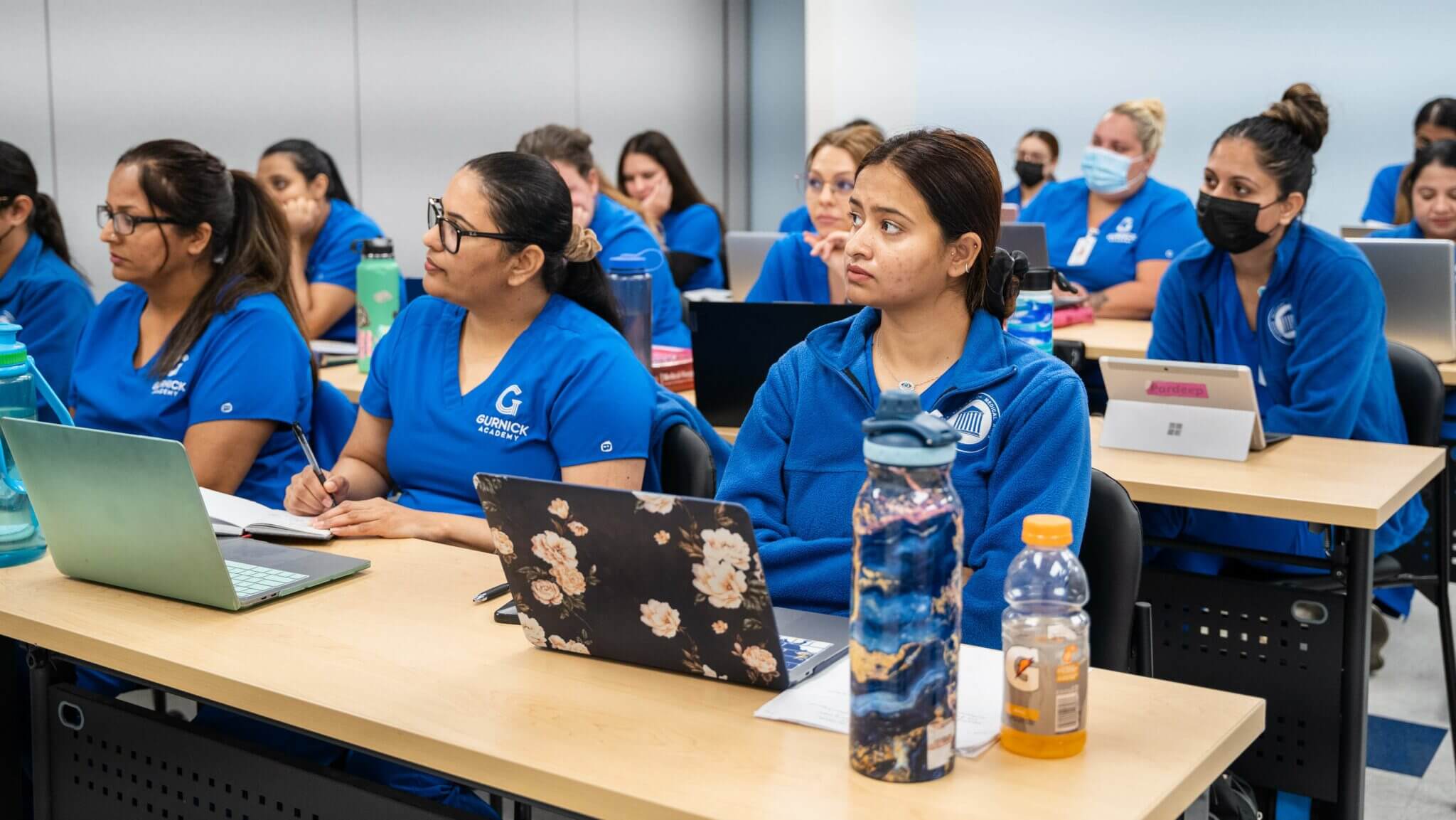
Concord Campus Medical Assisting Program MA Skills Lab 01
Concord Campus Medical Assisting Program MA Skills Lab 05
Concord Campus Medical Assisting Program MA Skills Lab 03
Concord Campus Medical Assisting Program MA Skills Lab 07
2022 06 JUN Fresno Campus Photoshoot Students in Classroom Program Photo 055

Videos

Frequently Asked Questions

What exactly is a Medical Assistant?
Working in various modern wellness environments, Medical Assistants support physicians in their offices, outpatient clinics, hospitals, assisted-living facilities, and private and government-run healthcare centers. A Certified Medical Assistant is “a professional who performs administrative and routine clinical tasks in a medical setting.” Yet, in some health environments, the role is categorically separated into two independent positions: A) an administrative Medical Assistant conducting office tasks solely, or B) a clinical Medical Assistant singularly functioning as a medical support person.1 Citations 1^a, b, c Staff. “Technological Tools and Equipment Used by Medical Assistants.” Medical Assistant Training. April 3, 2013. (Accessed May 20, 2021).
Is it hard to become a Medical Assistant?
According to the Medical Board of California, per Title 16 California Code of Regulations, sections 1366.3(a)(1) and 1366.3 (a)(2), a Medical Assistant may train in one of two ways, including the following: Section 1366.3(a)(1), training under a licensed physician or podiatrist, who shall ascertain the proficiency of the Medical Assistant, or under a registered nurse, licensed vocational nurse, physician assistant, or a qualified Medical Assistant acting under the direction of a licensed physician or podiatrist.1 Section 1366.3 (a)(2), in a secondary, postsecondary, or adult education program in a public school authorized by the Department of Education, in a community college program provided for in Part 48 of Division 7 of the Education Code, or a postsecondary institution accredited by an accreditation agency recognized by the United States Department of Education or approved by the Bureau for Private Postsecondary Education.1 Citations 1^ a, b n.d. “Medical Assistants-Allied Health|Medical Board of California.” Medical Board of California. (Accessed June 9, 2021).
Which is more complex, becoming an Medical Assistant or a Licensed Vocational Nurse?
Stressors and difficulties can only be validated through individual experiences. Both programs require a commitment to their professions. Gurnick Academy’s Medical Assistant Program is eight (8) months* in duration and consists of seven courses. The program enrolls on a rolling basis every four weeks. A typical day involves lectures and laboratory work. Classes are a mix of two on-campus sessions, each lasting four hours (day and evening classes available), and distance education sessions that provide time flexibility for students who work or manage other responsibilities while in school. On the other hand, students must first take the Vocational Nurse Diploma program to be eligible for the ASVN program at Gurnick Academy. The diploma program is 13 months or 52 approved instructional weeks in duration. After this, students must earn an A.S. in Vocational Nursing, which takes eight months* to complete. Therefore, a Vocational Nurse program is significantly longer than the eight months required for the Medical Assistant program. *30 Approved Instructional Weeks
What can Medical Assistants do?
Helping multiple modern wellness environments operate, Medical Assistants work in physicians’ offices, outpatient clinics, hospitals, assisted-living facilities, and private and government-run healthcare centers.”1 The role is often a healthcare hybrid, with the Medical Assistant performing clerical tasks and another part practicing medical services. These professionals typically perform a range of duties. From answering phone calls and emails to physically aiding a nurse or physician, medical assistants conduct essential organizational tasks to facilitate and support overall healthcare operations. Generally, a Medical Assistant helps to ensure processes function more efficiently.2 Citations 1 Staff. “Technological Tools and Equipment Used by Medical Assistants.” Medical Assistant Training. April 3, 2013. (Accessed May 20, 2021). 2 “Medical Assistant Job Description: Duties, Education, and Experience Required.” 2020. Indeed.com. (Accessed February 22, 2020).
What tools do Medical Assistants use?
According to O*NET, the top tools for Medical Assistants are the following: • Body plethysmographs (lung function and capacity testing); • Eye charts or vision cards—Snellen eye charts; • Eye occluders—handheld occluders; • Gait belts for rehabilitation or therapy—gait belts; • Hypodermic needle—intradermal needles; Intramuscular needles; subcutaneous hypodermic needles; • Medical gas cylinders or related devices—oxygen tanks; • Mercury blood pressure units—sphygmomanometer; manual blood pressure measurement equipment; • Ophthalmic lensometers—lensometers; • Ophthalmoscopes or otoscopes or scope sets—ophthalmoscopes; otoscopes; • Opticians’ tools—metric rules.1
How old do I have to be to attend the Medical Assistant program?
You must be at least 17 years old to be admitted to the program and obtain the consent of a parent or guardian. Applicants must be at least 18 at the beginning of the Clinical Externship.
How can I obtain more information about Medical Assistant program?
You can fill out our online contact form to have information mailed to you, or a school representative can contact you. Or you can call us at 1-877-GURNICK.
I want to register for your MA program. How do I get started?
Please click on the link for more info about admission requirements.
I have a foreign diploma/degree. Do I need to have it evaluated?
Learn more about foreign transcript evaluations.
Where can I get my diploma/degree evaluated?
Please find more info about the Diploma Evaluations policy in the Catalog and Addendum.
What is the CCAT exam and how can I prepare for it?
To qualify for the MA program, you must pass the CCAT exam.
What if I don’t pass the CCAT exam?
Learn more about the CCAT exam and general admission requirements.
I have a medical degree. Am I still required to take the entrance exam?
All applicants must pass the entrance exam before being admitted to the program, regardless of their degree or background.
Is your program accredited?
Please click on the link to learn more about accreditation.
How long is your program and what is the schedule?
Learn more about the Medical Assistant program, including its information, length, and schedule.
Are there any breaks within the school year?
Review the addendum to view all scheduled breaks for the school year.
Are didactic courses and laboratories held on campus?
Yes.
Are externships paid positions?
All externships are unpaid.
How much does the program cost?
To view the breakdown of fees, please refer to the program fees section.
How do I pay for this program?
Gurnick Academy of Medical Arts participates in various federal and state student financial assistance programs. Financial aid is available for those who qualify.
Once I graduate from the program, will I be getting a degree or a certificate?
The Medical Assistant program is a certificate program.
Do you offer job placement?
We assist students who complete the program with job placements. However, we cannot guarantee employment.
Are Medical Assistants real professionals?
Yes, they are health-support professionals. A Certified Medical Assistant is “a professional who performs administrative and routine clinical tasks in a medical setting.”1 Medical Assistants should not be confused with physician assistants, who examine, diagnose, and treat patients under a physician’s supervision.2 Citations 1 “Medical Assistant Job Description: Duties, Education, and Experience Required.” Indeed.com. 2020. (Accessed February 22, 2020). 2 Medical Assistants. Occupational Outlook Handbook. Bureau of Labor Statistics, U.S. Department of Labor. (Accessed May 19, 2021.)
Is this a good career choice?
Beyond helping, caring, and serving others, many medical assistants report general satisfaction with their profession. According to U.S. News and World Report, Medical Assistants rank #9 in Best Jobs Without a College Degree, #10 in Best Health Care Support Jobs, and #64 in the 100 Best Jobs. Jobs are rated according to their ability to offer an elusive mix of factors.1 Ranking considers salary, job market, future growth, stress, and work-life balance factors. Citations 1 U.S. News Best Jobs. “Medical Assistant Ranks among Best Jobs of 2019.” Usnews.com. U.S. News and World Report. 2016. (Accessed April 26, 2022).
How much do Medical Assistants make?
According to the official Occupational Handbook, the average base salary for a Medical Assisting role is $ 35,850 per year, or $17.23 per hour. While compensation may seem modest compared to other healthcare professions, more than 35 percent of medical assistants believe their wages provide a satisfactory living wage.1 Citation 1^a, b Medical Assistants. Occupational Outlook Handbook. Bureau of Labor Statistics, U.S. Department of Labor. (Accessed May 19, 2021).
What is job satisfaction in this field?
Beyond helping, caring, and serving others, many medical assistants report general satisfaction with their profession. According to U.S. News and World Report Job Rankings, Medical Assistants rank #9 in Best Jobs Without A College Degree—the index rates jobs according to their ability to offer an elusive mix of factors. According to the report, MAs rank #9 in Best Jobs Without A College Degree, #10 in Best Health Care Support Jobs, and #64 out of 100 Overall Best Jobs. Medical Assistants also receive an overall score of 6.0 for salary, job market, future growth, stress, and work-life balance.1 Citations 1 — “Medical Assistant Ranks among Best Jobs of 2019.” Usnews.com, U.S. News, 2016. (Accessed May 10, 2022).
What is the top complaint in this field?
While we couldn’t locate a specific answer, common complaints among employees seem to center on burnout. Multiple articles indicate staffing shortages and early retirements by healthcare professionals. However, professional burnout may not be limited to Medical Assistants, but rather to all healthcare professionals in general.
What is the current demand for this vocation?
According to the Bureau of Labor Statistics, the employment of Medical Assistants is projected to grow 18 percent from 2020 to 2030. The growth is much faster than the average for all occupations. About 104,400 openings for Medical Assistants are projected each year, on average, over the decade. Many of these openings are expected to result from the need to replace workers who transition to different occupations or retire from the labor force.1 Citations 1 Bureau of Labor Statistics, U.S. Department of Labor, Occupational Outlook Handbook. Medical Assistants. (Accessed April 26, 2022).
What are common interview questions for a Medical Assistant?
While no absolutes exist regarding interviews, according to Gurnick Academy Career Services, the following questions are used in the college’s mock interview sessions for Medical Assistant students. These include the following employer questions: • Describe a challenging situation with a patient and how you addressed it. • What are your biggest strengths and weaknesses as a Medical Assistant? • How would your coworkers/team members describe your work style? • What did you learn from past work experiences, and how are they relevant to this position? • Provide examples of adapting to various people, situations, and environments. • How would you add value to the patient-care experience? • Can you work on several assignments at once? How do you handle multitasking? • Tell me about a time when you went above and beyond the call of duty to get a job done. • What type of work schedule are you seeking? Are you available to work extra hours?
What can I do with this education?
Medical Assistants can advance into other areas with training and experience. According to Indeed.com, career paths they could pursue include healthcare management, administration, nursing, medical billing and coding, medical records, and health information management.1 Also, according to the above source, Medical Assistants may earn additional certification. Possible certifications include Registered Medical Assistant, Certified Clinical Medical Assistant, Certified Medical Administrative Assistant, and Nationally Certified Medical Assistant. Some Medical Assistants may also pursue specializations in cardiology, OBGYN, ophthalmology, podiatry, and pediatric care. Others decide to obtain an associate or bachelor’s degree and pursue a nursing career.1 Citations 1^a, b, “Medical Assistance Advancement: Six Ways to Advance Your Career.” Indeed Career Guide, Indeed. May 10, 2021. (Accessed May 10, 2022).
What are Medical Assistants not allowed to do?
Within California, the following are considered invasive procedures and not within a Medical Assistant’s scope of practice.1 In California, Medical Assistants cannot do the following procedures: • Start or disconnect IVs, or administer injections or medication into an IV; • Chart pupillary responses; • Read, interpret, or diagnose symptoms or test results; • Insert urine catheters.1
Can Medical Assistants draw blood?
Yes. According to the American Board of California, Medical Assistants with the proper training may “perform venipuncture or skin puncture to withdraw blood.”1 Citations 1 “FAQs|MBC.” Www.mbc.ca.gov, State of California Health Board. (Accessed May 10, 2022).
Can Medical Assistants prescribe medicine?
No. Within California, Medical Assistants may call in already prescribed refills to a pharmacy under the direct supervision of the physician or podiatrist. The refill must be exact, have no changes in the dosage levels, and be documented in the patient’s chart as a standing order. Medical Assistants may not call in new prescriptions or those that have any changes.1 Citations 1 “FAQs|MBC.” Medical Board of California. Www.mbc.ca.gov. The State of California. (Accessed April 26, 2022).
Can Medical Assistants give immunizations?
According to the Medical Board of California, if a Medical Assistant has undergone the appropriate training, they can administer scheduled drug injections once the licensed person has verified the correct medication and dosage and the injection is administered intramuscularly, intradermally, or subcutaneously. The supervising physician or podiatrist must be on the premises. (Business and Professions Codes, section 2069.)1 Citations 1 “FAQs|MBC.” Medical Board of California. Www.mbc.ca.gov, State of California. (Accessed April 26, 2022).
Ready to get started?
Request information about Medical Assistant at Concord.
Medical Assistant