Gurnick Academy of Medical Arts

Nursing (RN to BSN)

Concord
Concord, CA
Bachelor Degree · 100% Online
Nursing (RN to BSN)
Gurnick Academy is institutionally accredited by ABHES and approved to operate by the California BPPE.
Delivered through distance education from the Concord campus, with clinical or practicum hours completed at an assigned site.
Tuition is $10,368.00; with the $100 registration fee and $250 textbooks, the total program cost is $10,718.00.
This program takes about 45 weeks to complete (36 semester credits).
A $100 non-refundable registration fee is charged.
Federal and state financial aid is available to those who qualify; Gurnick Academy's FAFSA school code is 041698.

Nursing (RN to BSN) is a Bachelor Degree program (100% Online) offered by Gurnick Academy of Medical Arts in Concord, CA. The program takes 45 weeks to complete, with a total tuition of $10,368.

Program Overview

Students will study a wide range of curricular content required for licensure by the California Board of Registered Nursing. Students will also study the organization and function of health services, ethics and law in health care, writing skills for health professionals, leadership and management, nursing research, and the essentials of patient education.

Emphasis will be placed on evidence-based practice and critical thinking skills to provide safe and effective care to patients from diverse and multicultural populations and communities across the lifespan. Students will also take Community Health Nursing, which includes certification in reporting child abuse and disaster management, in accordance with the California Public Health Code of Regulations.

Program goals and objectives.

The faculty at Gurnick Academy of Medical Arts is committed to the following:

1. Providing a learning environment that nurtures cultural diversity and differences in learning styles and is free of discrimination and judgment.

2. Graduate well-prepared Bachelor of Science in Nursing students who demonstrate clinical behaviors and judgments to meet the essential competencies necessary to obtain licensure and join the workforce as an entry-level nurse.

3. Ensure that graduates possess the knowledge and skills necessary to respond to the community’s evolving healthcare delivery and practice needs.

4. Produce well-rounded nurses who are culturally sensitive, situationally adaptive, and active advocates for the community they serve.

5. Continuously review and revise its curriculum to ensure that its nursing graduates are well-equipped to adapt to the rapid changes in healthcare delivery and practice.

6. Build a learning platform to inspire nursing graduates to pursue recognition and excellence in practice, research, and community outreach.

7. Foster nurturing partnerships with its community organizations for academic programs.

8. Inspire nursing graduates to seek higher education by developing a plan for faculty growth and professional development.

What sets this Program apart

  • Asynchronous Courses Online
  • RNs: Earn Your BSN Degree
  • Job Placement Assistance
  • Veteran & Military Benefits Eligible

Admission Requirements and Process

All applicants to Gurnick Academy of Medical Arts must meet the General Admission Requirements for all Programs, including the entrance exam where required, and the additional admission requirements for this program.

  • Graduated from an approved Registered Nursing program.
  • Provide official transcripts that reflect a minimum cumulative GPA of 2.5 in all college coursework.
  • Attend or view a live or recorded Information Session.
  • Pass an interview with the Program Director or Associate Program Director in person or via a virtual conferencing platform, if necessary.
  • Submit a two to three-page (2 – 3) typed essay on why they have chosen professional nursing as a career.
  • Submit three (3) letters of recommendation. These may come from employers, immediate supervisors, health-related facilities where the applicant has volunteered, or faculty from previous college/university courses. These letters of recommendation must be submitted on official letterhead.
  • Provide a resume that showcases your previous healthcare experience.
  • Submit proof of current RN license.
  • Complete all courses or equivalent listed in the Registered Nursing Prerequisite Courses: RN to BSN Pathway table. Generic BSN for Non-Registered Nurses and Advanced Placement for LVNs are available as residential programs and are approved by the California Board of Registered Nursing.

General Requirements

  • High school transcript
    Possess an official high school transcript from an approved/accredited high school or equivalent; foreign credentials follow the Foreign Transcript/Degree Evaluation Policy.
  • Minimum age
    Be at least 18 (official ID is required) to enroll in a core program; some programs allow enrollment at age 17.
  • Online application
    Complete the Online Application, the Distance Education Questionnaire, the Academic Integrity Statement and the Consent to Receive Electronic Communications.
  • Health and background requirements
    Comply with Gurnick's immunization, health screening, background check and CPR/First Aid requirements; documentation is due before clinical rotations.
  • Admissions meeting
    Meet with the program's Admission Advisor to review all required disclosures and receive complete information before enrolling with Gurnick Academy of Medical Arts.
  • Financial aid meeting
    Meet with a Financial Aid Advisor to review all required disclosures and receive complete information before enrolling (this does not apply to non-financial aid programs or…

Application Process

  1. 1
    Attend an information session
    Attend or view a live or recorded information session for the program.
  2. 2
    Meet with an Admission Advisor
    Meet with the program's Admission Advisor to review all required disclosures and receive complete information before enrolling.
  3. 3
    Complete the online application
    Complete the Online Application, including the Distance Education Questionnaire, the Academic Integrity Statement and the Consent to Receive Electronic Communications.
  4. 4
    Meet with a Financial Aid Advisor
    Meet with a Financial Aid Advisor to review required disclosures; to apply for federal aid, complete the FAFSA using Gurnick's school code 041698.
  5. 5
    Pay fees and enroll
    Pay the $100 non-refundable registration fee and all applicable fees per the published fee schedule before an enrollment agreement is issued.

Program Schedule

The Bachelor of Science in Nursing program (RN to BSN) admission track is a three (3) semester distance education program for Registered Nurses (RN) to complete their Bachelor of Science in Nursing degree in one year. Each semester is 15 weeks long and covers five (5) courses. Course instructors will open a new lecture each weekday, and assignments must be submitted by the deadlines set by the course instructors and indicated in the course syllabi.

The two (2) practicum courses, Community Health Nursing Practicum and Leadership/Management in Nursing Practicum, require the student to do six (6) hours each week for 15 weeks in a clinical setting. Students are responsible for obtaining their local clinical site/preceptor based on their work or residence. Gurnick Academy of Medical Arts has agreements with multiple clinical sites in the Bay Area, California, where students can alternatively complete their clinical/preceptorship.

The expected program completion time is 45 weeks, excluding holidays and vacation days. The Instructor-to- Student ratio is 1:25 during lectures and 1:1 during clinical externships.

At Gurnick Academy of Medical Arts (professional courses only), students receive 480 hours of didactic instruction and 180 hours of clinical training, enabling them to apply lecture topics to practical use. Additionally, students will dedicate 960 hours to out-of-school preparation.

Upcoming start date for this program: January 4, 2027.

New cohorts start regularly throughout the year. Our start dates are as follows:
  • January 04th, 2027

Cost of Attendance and Financial Aid Information

Cost and Financial Aid Information is an estimate for general reference only. It is not an offer or guarantee of financial aid or of any price, and what a School charges you may differ.
Total Program Tuition
≈ $10,368
Total Program Cost
≈ $10,718
FAFSA Code
Net Price Calculator

Tuition and fees. Registration Fee (non-refundable) $100.00; Student Tuition Recovery Fund $0.00; Textbooks $250.00; Tuition $10,368.00. Total program cost $10,718.00. Total program cost excludes transportation, room and board, and personal expenses.

Total fees per period of enrollment. Period 1: $3,656.00; Period 2: $3,243.00; Period 3: $3,819.00.

Cost of Attendance, 2026–2027 (one academic year). Tuition & Fees $6,436.00; Books $150.00; Transportation $6,300.00; Food & Housing $17,876.00; Personal Expenses $638.00; Loan Fees $130.00; Laptop Fees $450.00; Total Cost of Attendance (One Academic Year) $31,980.00. Individual student costs will vary.

Financial aid. Gurnick Academy of Medical Arts participates in various federal and state student financial assistance programs, including the Federal Pell Grant, FSEOG, Direct and Direct PLUS Loans, Cal Grant, Sallie Mae® and Campus Door loans, and veteran benefits, for those who qualify. Each campus has a Financial Aid Advisor. Gurnick's FAFSA school code is 041698.

Net Price Calculator. Estimate your net price with Gurnick's Net Price Calculator.

Other fees, as applicable. ATI TEAS $120; background check $33–$75; drug testing $74–$148; CPR $55–$80; fingerprinting $81 and up; licensing board fees $200–$500 depending on the exam and license; campus parking permit $25; graduation ceremony fee $20–$50. Some of these fees may be paid by Gurnick Academy for some programs.

Curriculum

At Gurnick (professional courses only), students receive 480 hours of didactic instruction and 180 hours of clinical training, plus 17 semester credits of General Education courses.

Required Courses

Subject #NameCredits
GE 111Research Statistics3
GEH 101Organization & Function of Health Services3
GEH 102Essentials of Patient Education3
GE 103Growth and Development Through Lifespan3
GEH 201Holistic Health & Complementary Alternative Medicine2
GEH 301Ethics and Law in Health Science3
RN 404Community Health Nursing Theory3
RN 405Community Health Nursing Practicum2
RN 500Leadership/Management in Nursing Theory3
RN 501Leadership/Management in Nursing Clinical2
RN 502Nursing Informatics3
RN 504Nursing Research Theory3
RN 505Bachelor's Achievement Capstone Portfolio3

Career Outcomes

Career paths. Registered Nurse. The catalog lists Standard Occupational Classification (SOC) codes 29-1141.00, 29-1141.03 and 29-1141.01 for the Bachelor of Science in Nursing program; please see a school official for the complete list of potential occupations.

What the degree leads to. The RN to BSN pathway of the Bachelor of Science in Nursing program is intended for students who have graduated from a Board-approved Registered Nurse program from an accredited institution and possess a current RN license: Registered Nurses complete their Bachelor of Science in Nursing degree in three (3) semesters of distance education. Students will also take Community Health Nursing, which includes certification in reporting child abuse and disaster management, in accordance with the California Public Health Code of Regulations.

Terminal educational outcomes. By the end of the baccalaureate nursing program, the graduate will be able to:

  • Apply theoretical and clinical concepts of health promotion and disease prevention practices, provide a safe and nurturing environment, and lead innovations in nursing practices according to nursing regulations and accrediting agencies.
  • Critically appraise, analyze, and create a framework integrating didactic and clinical learning into everyday practice and leadership activities.
  • Evaluate patient care practices that are evidence-based and community-driven.
  • Express a firm commitment to nursing research through active participation in professional organizations and educational advancement.
  • Demonstrate leadership by becoming well-rounded, ethical, respectful, well-informed, and fully responsive to the community’s needs.

Career services. Gurnick Academy offers job placement assistance; help creating a professional resume and portfolio; mock interviews; one-on-one and interview coaching; professional development workshops; Gurnick Edge, a website geared to professionally enhancing nurses; and support after graduation, from career counseling to networking opportunities.

Job outlook and salary. Gurnick refers prospective students to the O*NET Online 29-1141.00 Registered Nurses job profile for general information about the profession and for salary data for California.

Campus Address

Concord
1401 Willow Pass Road
Suite 450
Concord, CA 94520

Why Accreditation Is Important

Gurnick Academy of Medical Arts holds institutional accreditation by the Accrediting Bureau of Health Education Schools (ABHES) and is approved to operate by the California Bureau for Private Postsecondary Education (BPPE). The Bachelor of Science in Nursing program is approved by the California Board of Registered Nursing (BRN).

  • A reliable indicator of quality
  • Approved program of study
  • Qualified instructors
  • Recognition by employers nationwide

Accreditations

ABHES

Images

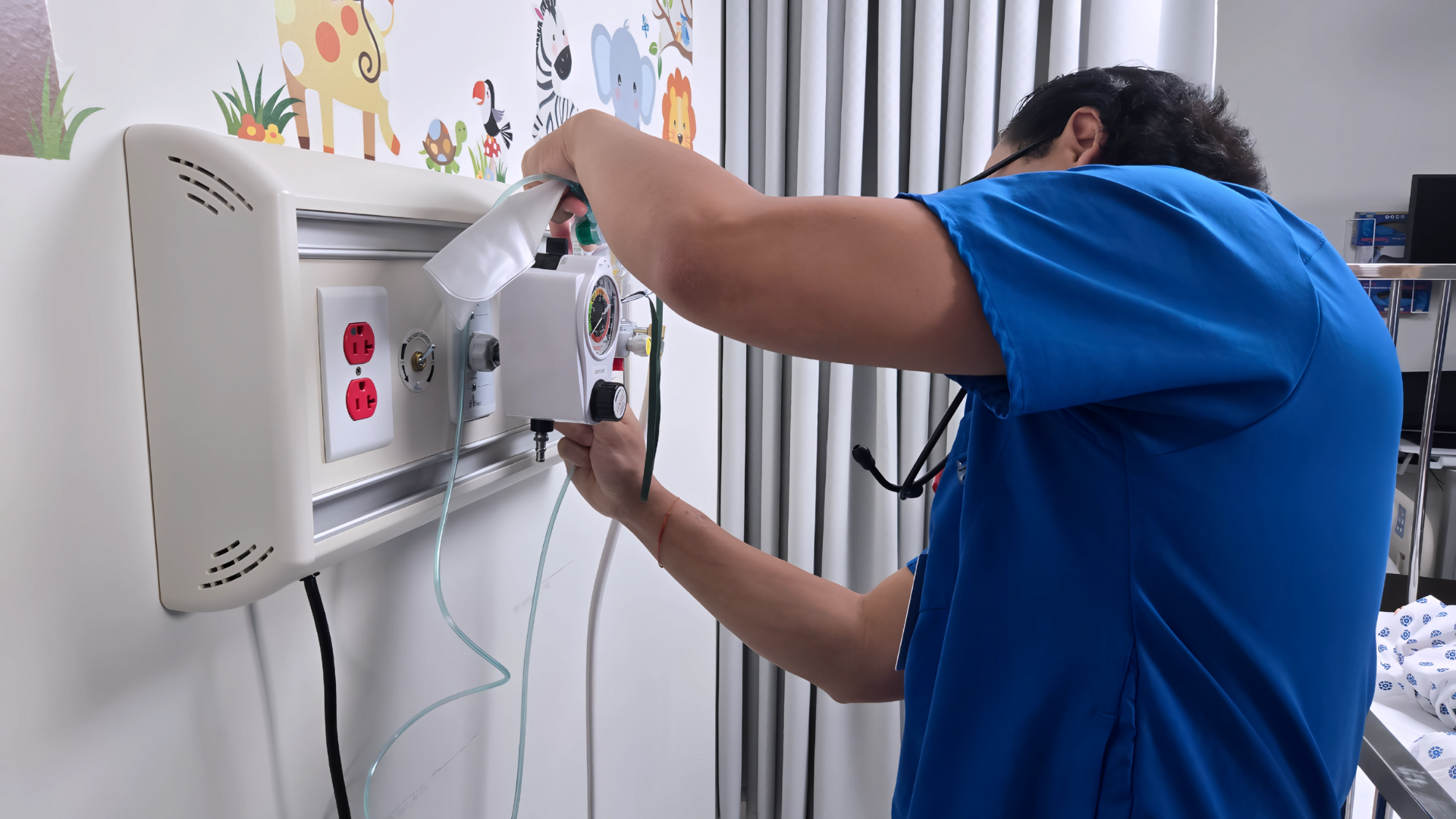
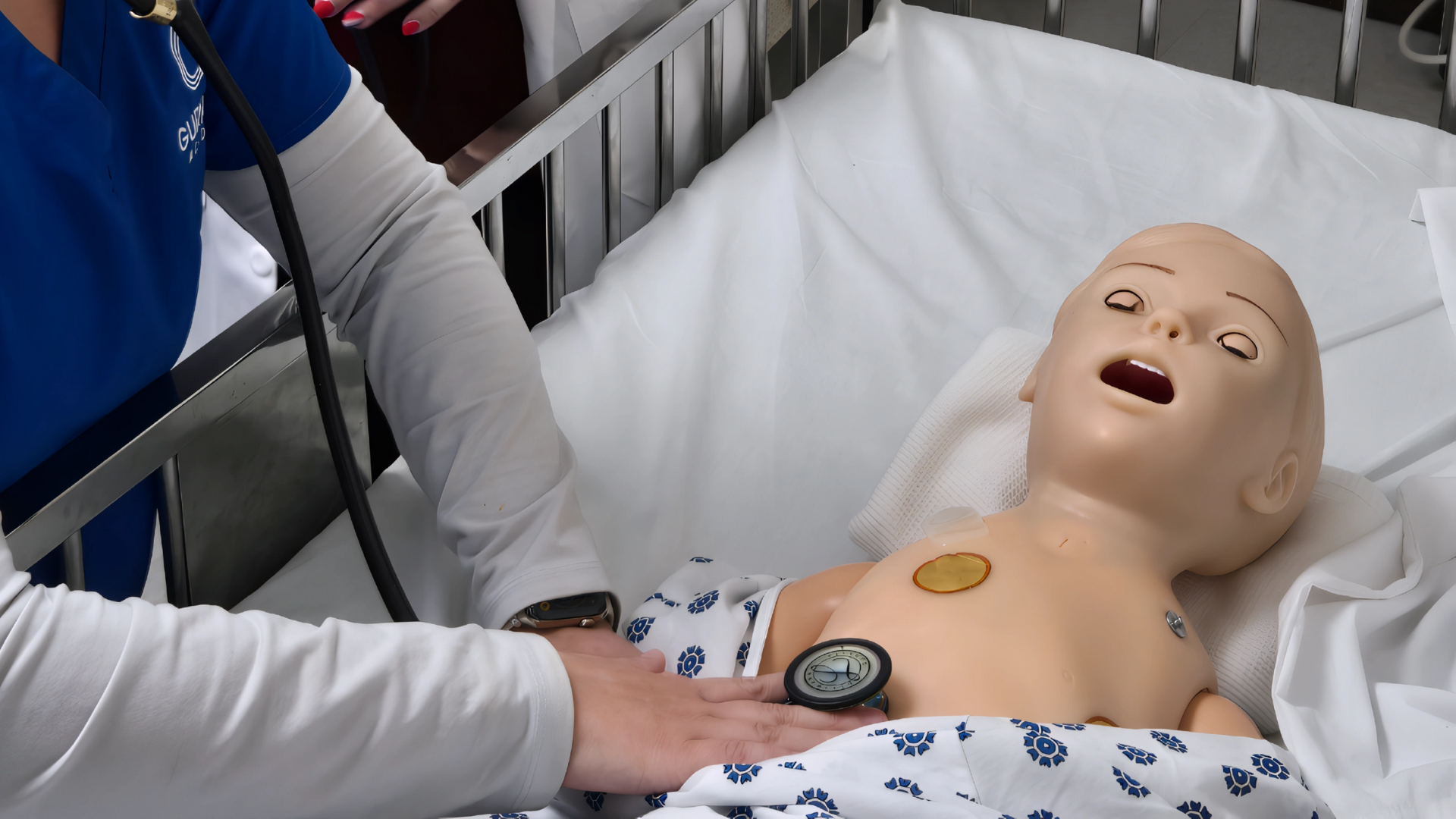
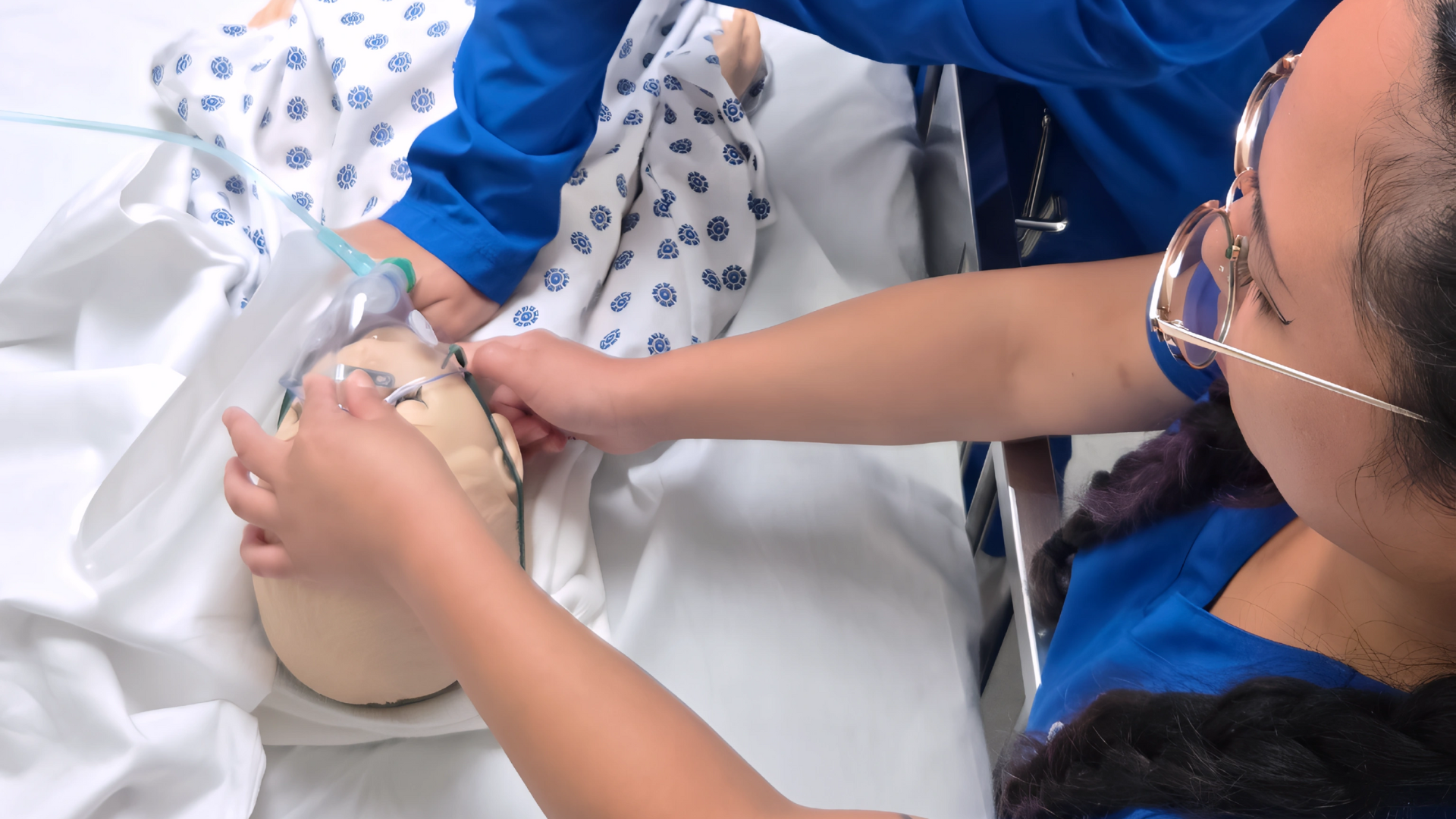
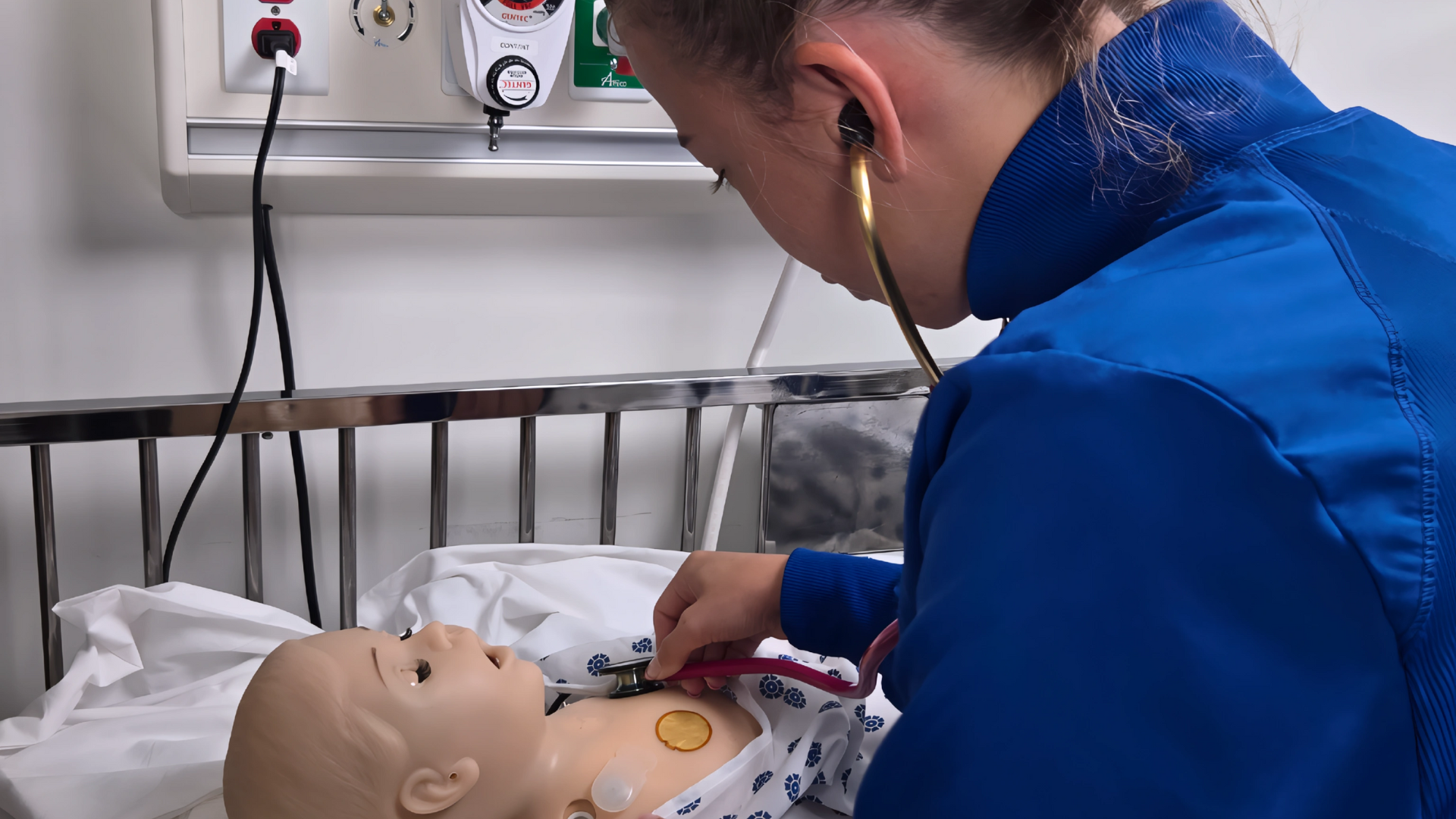
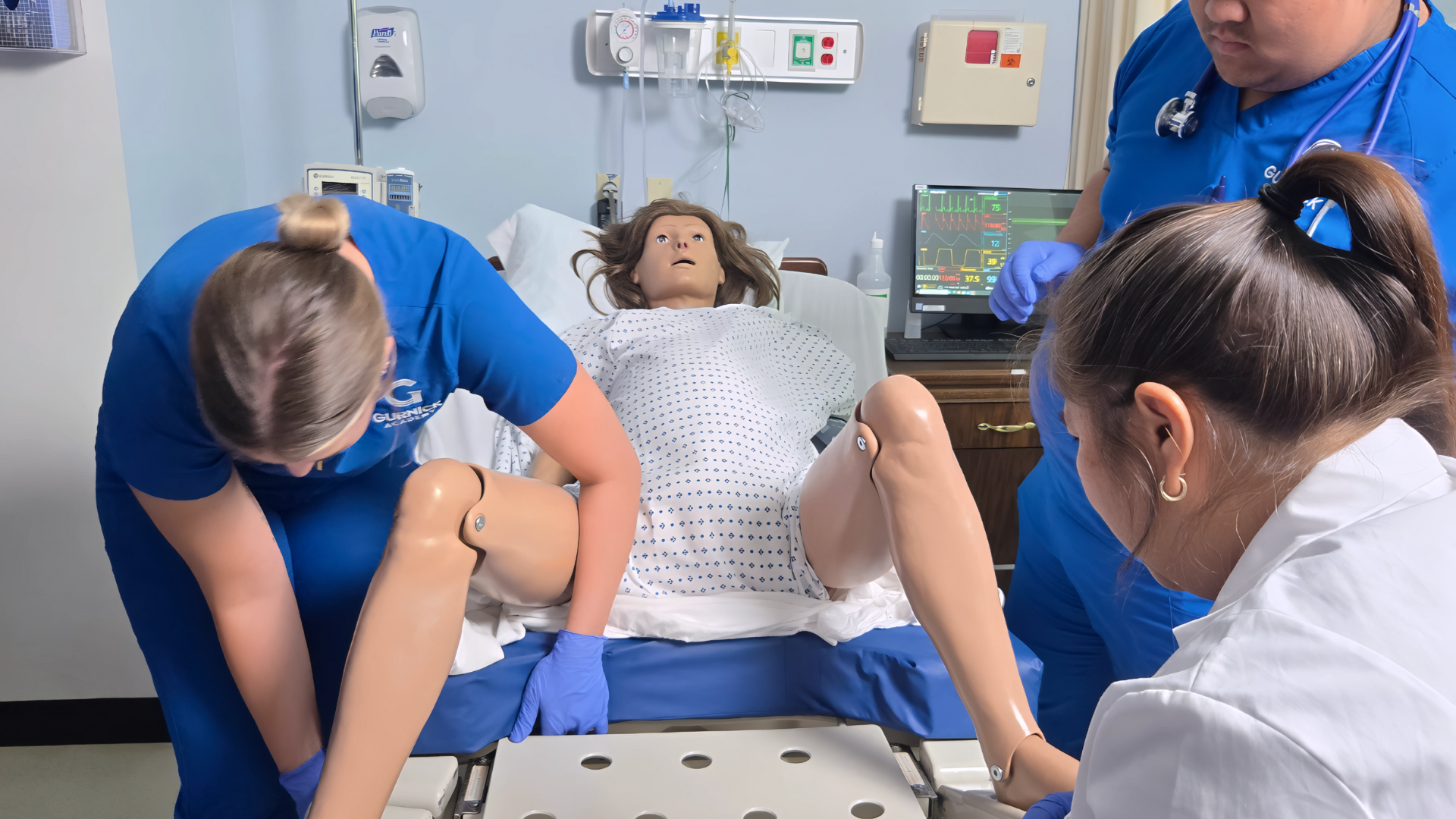
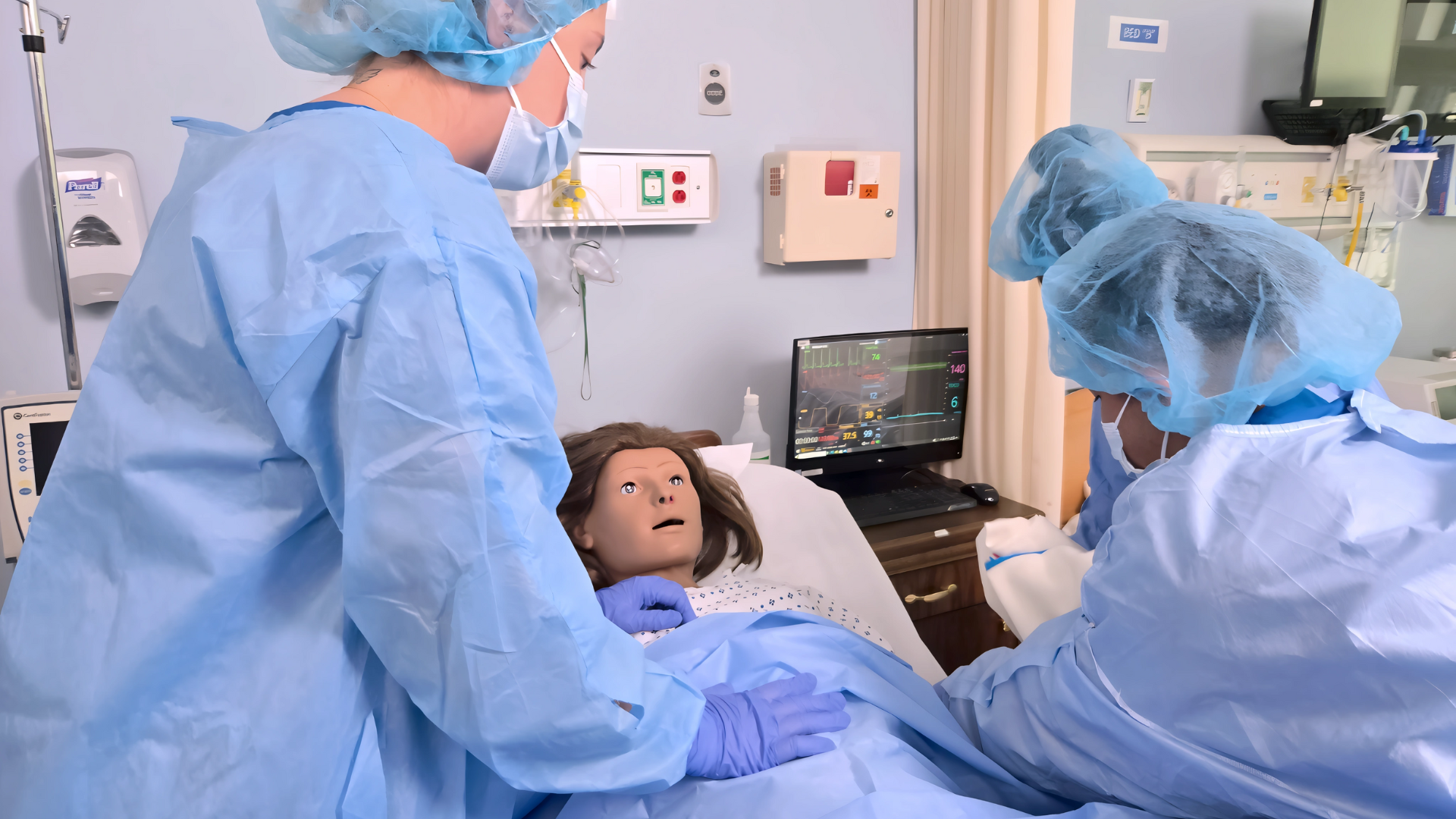
Concord Campus B.S. in Nursing BSN Program Skills Lab Training 06
Concord Campus B.S. in Nursing BSN Program Skills Lab Training 07
Concord Campus B.S. in Nursing BSN Program Skills Lab Training 05
Concord Campus B.S. in Nursing BSN Program Skills Lab Training 08
Concord Campus B.S. in Nursing BSN Program Skills Lab Training 04
Concord Campus B.S. in Nursing BSN Program Skills Lab Training 03

Frequently Asked Questions

What is a professional Registered Nurse?
According to the National Council of State Boards of Nursing, a leader in regulatory information, a Registered Nurse (RN) is an individual who has graduated from a state-approved school of nursing with either an associate or bachelor’s degree level of education, passed the NCLEX-RN Examination, and is licensed by a state board of nursing, allowing them to provide patient care.1 The educational requirements for the role can be either an associate’s or a bachelor’s degree. Citations 1 “Definition of Nursing Terms.” National Council of State Boards of Nursing, Inc. 2022. (Accessed March 15, 2022.)
How long does it take to obtain a BSN?
Gurnick Academy of Medical Arts Bachelor of Arts’ Nursing program offers the following paths to completion: General or Full BSN Program, 32 months.* LVN to BSN Advanced Placement, 15 months.† RN to BSN Advanced Placement, 12 months.‡ *120 Approved Instructional Weeks †64 Approved Instructional Weeks ‡45 Approved Instructional Weeks
What is a Registered Nurse (RN) vs. a Licensed Vocational Nurse (LVN)?
According to the National Council of State Boards of Nursing, a leader in regulatory information, a Registered Nurse (RN) is an individual who has graduated from a state-approved school of nursing with either an associate or bachelor’s degree level of education, passed the NCLEX-RN examination, and is licensed by a state board of nursing, allowing them to provide patient care.1 The educational requirements for the role can be either an associate’s or a bachelor’s degree. A Licensed Vocational Nurse (LVN) is an entry-level healthcare professional responsible for rendering primary nursing care within a directed scope of practice while performing a limited range of nursing functions. They have obtained either a nursing diploma or an associate degree in nursing, taken the NCLEX-PN, and obtained state licensure. They practice under the direction of a Physician and/or a Registered Nurse or other advanced healthcare professional.2 Citations 1 “Definition of Nursing Terms.” National Council of State Boards of Nursing, Inc. 2022. (Accessed March 15, 2022.) 2 “Licensed Vocational Nurses.” BVNPT. The State of California. 2022. (Accessed March 15, 2022.)
What is the difference between the ADN/ASN versus a BSN degree?
According to Career Profiles, an Associate Degree in Nursing (ADN) or Associate of Science in Nursing (ASN) is a two-year degree for those seeking to become Registered Nurses.1 While Bachelor’s Degrees in Nursing (BSNs) are four-year programs for those seeking to become Registered Nurses.*1 Both the ADN/ASN and BSN degrees qualify students to sit for the NCLEX-RN exam and apply for RN licensure.1 According to Career Profiles, ADN programs generally focus more on practical skills, while BSN programs delve more deeply into theoretical knowledge. However, the core curriculum for both programs is typically quite similar, with courses in community health nursing, gerontological nursing, pediatrics, maternal and newborn nursing, and psychiatric nursing. BSN programs include courses not offered in ADN programs, such as nursing technology, research, and informatics.1 *There are several accelerated programs (fast-track or bridge) that may truncate this timeframe. Citations 1^a, b, c “Associate Degree in Nursing (ADN/ASN).” Www.careerprofiles.info. Career Profiles. 2022. (Accessed June 7, 2022.)
How do I obtain information about the B.S. in Nursing program?
To have information sent to you or a school representative, please get in touch with us using our online contact form.
How do I register for this program?
The first step is to submit an online application.
What are the admission requirements?
Applicants should follow the general requirements for entry into Gurnick Academy of Medical Arts. These can be found on the General Requirements for Admissions page.
If I have a foreign degree/diploma, do I need it evaluated?
Please find more info about the Foreign Transcript/Diploma Evaluations process here.
When is the application deadline?
The deadline for applications is one week before the online orientation and one week before the semester’s official start date. Please see an advisor for the current academic calendar.
Are there any prerequisite classes I need to take before I start this program?
For more information, please get in touch with our Admissions Team.
What is the length of the RN to BSN program?
Gurnick Academy offers the Bachelor of Science in Nursing (BSN) degree program in the following paths to completion: LVN to BSN Advanced Placement, 15 months.* RN to BSN Advanced Placement, 12 months.† *64 Approved Instructional Weeks †45 Approved Instructional Weeks
Is this program accredited?
Gurnick Academy of Medical Arts holds national institutional accreditation by the Accrediting Bureau of Health Education Schools (ABHES). ABHES accreditation does not include continuing education courses Additionally, Gurnick Academy of Medical Arts is approved by the California Board of Registered Nursing (BRN) to provide the Bachelor of Science in Nursing (BSN) program. Gurnick Academy of Medical Arts is a private institution approved by the California Bureau for Private Postsecondary Education to operate. Approval to operate means the institution is compliant with the minimum standards in the California Private Postsecondary Education Act (CPPEA) of 2009 (as amended) and Division 7.5 of Title 5 of the California Code of Regulations. CPPEA governs the Bureau for Private Postsecondary Education.
Is this a full-time program?
This is a full-time program and requires a commitment to the profession.
Does Gurnick Academy offer night classes?
No. We currently do not offer night classes for this program.
Are there any breaks within the school year?
To review the scheduled breaks during the school year, please see Gurnick Academy’s Addendum.
What happens if I fail a semester? Will I be expelled from this program?
Please find more info about remediation in our Catalog and Addendum.
Will I need to find my own externship?
No. Each student will complete clinical externships, which will be provided.
Are externships paid positions?
No. All externships are unpaid positions.
Can I obtain financial aid?
Financial aid is available for those who qualify. Gurnick Academy of Medical Arts participates in various federal and state student financial assistance programs.
Will I be able to work while enrolled in this course?
Depending on individual needs or preferences, students may be able to work during the program. However, this depends on the type of work, each student’s individual needs, work-study balances, and life schedules and commitments. There are guidelines for achieving a study-life balance. The Hechinger Report cites a 2018 study by Georgetown University regarding students working while enrolled in higher education. According to the report, “Students who worked had lower grades and were more likely to drop out” than those who did not work during their college tenure. The report states, “The risk was especially high for low-income students. Other studies seem to concur with this report. The conventional advice to students is to try to work under 15 hours a week if they want to finish their degrees,” says the article.1 Citations 1 Barshay, Jill. “Working in College Interferes With Studies But Boosts Adult Earnings.” The Hechinger Report. June 17, 2019. (Accessed. June 21, 2022.)
Once, I graduate from the program, will I receive a degree or diploma?
This program offers a four-year Bachelor of Science degree.
Will this program prepare me to pass the exam?
Test preparation is strongly emphasized throughout our students’ entire curriculum at Gurnick Academy of Medical Arts.
Do you offer job placement?
We have a dedicated Career Services department that can assist students with job placements upon completion of the program. However, we cannot guarantee employment.
What is the current demand for this vocation?
According to the Bureau of Labor Statistics, employment of Registered Nurses is projected to grow 9% from 2020 to 2030, about as fast as the average for all occupations.1 About 194,500 openings for Registered Nurses are projected each year, on average, over the decade. Many of these openings are expected to result from the need to replace workers who transfer to different occupations or exit the labor force, such as to retire.1 Citations 1^a, b Bureau of Labor Statistics, U.S. Department of Labor, Occupational Outlook Handbook. April 18, 2022. Registered Nurses. (Accessed June 10, 2022.)
What are some common interview questions for Registered Nurses?
According to Indeed.com, typical interview questions for Registered Nurses include the following: • Do you work well with other nurses, doctors, and staff? • How would you handle a difficult patient? • How do you handle workplace stress? • What do you do if your replacement does not arrive? • How would you handle a disagreement with a doctor? • Describe how you manage a busy workload • Do you have any professional affiliations? • How would you handle a crisis such as an outbreak? • How would you handle a patient who struggles with pain management? • How do you respond when people ask for your personal diagnosis outside of a clinical setting?1
What are the top complaints in this field?
According to the online resource, Minority Nurse, poor management and the lack of support from their management teams are among the most significant complaints nurses have. What makes a poor manager? Nurses may say it does not value open communication and feedback from their staff.1 Another chief complaint within the profession seems to be burnout. Most often, burnout is due to staffing shortages. Citations 1 Johnson, Nachole. “Why Good Nurses Leave the Profession.” Minority Nurse, Springer Publishing Company. December 13, 2018. (Accessed April 26, 2022.)
How much do Registered Nurses make?
According to the Bureau of Labor Statistics, Registered Nurses in California made a median annual wage of $120,5601 as of May 2020. While the national median annual pay for Registered Nurses in 2021 was $77,600 per year, or $37.31 per hour. 2 However, it’s vital to remember that salaries differ considerably based on several factors, including years of experience, schooling, workplace setting, geographic location, and other variables. Citations 1 “Registered Nurses.” Occupational Outlook Handbook. Bureau of Labor Statistics, US Department of Labor. September 8, 2021. (Accessed November 16, 2021). 2 Bureau of Labor Statistics, US Department of Labor, Occupational Outlook Handbook. April 18, 2022. Registered Nurses. (Accessed June 10, 2022).
Is being a Registered Nurse a good career choice?
Beyond helping, caring, and serving others, many Registered Nurses report general satisfaction within their profession. According to US News and World Report, RNs received an overall score of 7.4 in job satisfaction. Registered Nurses ranked #5 in Best Health Care Jobs. Best Health Care Jobs and #12 in 100 Best Jobs.1 Jobs are rated according to their ability to offer an elusive mix of factors, including stress, professional satisfaction, work-life balance, salary, and more. Citations 1 News Staff, “Registered Nurse Ranks Among Best Jobs of 2019.” Usnews.com, 2016. (Accessed May 25, 2022.)
What falls within a Registered Nurses' scope of practice?
The board of nursing in each state defines what level of care Registered Nurses can and can’t provide through an official document called their “scope of practice.”1 One should consult their state board of nursing to understand their scope of practice. For California, go here. Citations 1 “California Board of Registered Nursing.” Ca.gov, State of California. 2019. (Accessed June 8, 2022.)
Can Registered Nurses prescribe medication?
While they may not prescribe medications, Registered Nurses may administer them. “Notwithstanding any other provision of law, a Registered Nurse may dispense drugs or devices upon an order by a licensed physician and surgeon or by a certified nurse-midwife, nurse practitioner, or physician assistant.”1 (Article 2, Scope of Regulation) Citations 1 “California Nursing Practice Act, Scope of Regulation.” CA.Gov, California Board of Registered Nursing (BRN), State of California Department of Consumer Affairs (DCA). January 1, 2013. (Accessed June 10, 2022.)
What else falls within a Registered Nurse’s scope of practice?
Other Registered Nursing functions besides the administration of medication include: • Venipuncture or intravenous therapy. • Parenteral or tube feedings. • Invasive procedures include inserting nasogastric tubes, inserting catheters, and tracheal suctioning. • Assessment of patient condition. • Educating patients and their families about the patient’s healthcare problems, including post-discharge care. • Moderate complexity laboratory tests.1 (Article 2, Scope of Regulation)
Are Registered Nurses medical professionals?
Yes. WebMD defines Registered Nurses as “the backbone of the US healthcare system.” A Registered Nurse is a “licensed medical professional who provides hands-on care in different medical and community settings,” further says the journal.1 Citations 1 “WebMD Editorial Contributors.” WebMD, WebMd, LLC. June 23, 2021. (Accessed June 8, 2022.)
What tools do Registered Nurses use?
According to O*NET, the top tools Registered Nurses use include the following items. • Acute care fetal or maternal monitoring units—bilimeters; fetal monitors; fetal scalp electrodes. • Diagnostic or interventional vascular catheters for general use—angiocaths; pulmonary artery catheters. • Electrosurgical or electrocautery equipment—electrosurgical devices; grounding pads; loop electrosurgical excision procedure LEEP equipment. • Endoscopic hemostatic balloons, needles, tubes, or accessories—curved hemostats; hemostats; straight hemostats. • Glucose monitors or meters—capillary glucose monitors; glucose testing equipment. • Manual resuscitators—manual resuscitation bags; manually-operated oxygen supply resuscitators. • Medical or surgical suction or vacuum appliances—nasal suctioning equipment, oral suctioning equipment, suction equipment, tracheal suctioning equipment. • Medical oxygen masks or parts—non-rebreather masks, partial masks, ventimasks. • Peripherally inserted central catheters PICC—double lumen catheters; peripheral angiocaths; single lumen catheters; triple lumen catheters. • Reflex hammers or mallets—percussion hammers; reflex hammers.1
Is there a master’s level in nursing?
Yes. A master’s degree nurse is an Advanced Practice Registered Nurse (APRN). However, the term APRN can be an umbrella term for nursing professionals who have earned upper-level degrees, including master’s or doctoral degrees. According to the National Council of State Boards of Nursing, APRNs encompass the following nurse careers: clinical nurse specialists (CNS), nurse practitioners (NPs), certified nurse-midwives (CNMs), and nurse anesthetists (CRNAs).1 Citations 1 “Advanced Practice Nursing.” Nursinglicensemap.com, 2U, Inc., Sept. 2021. (Accessed June 8, 2022.)
Is there a doctorate level in nursing?
Yes. According to the NurseJournal, the profession offers two distinct doctorate-level educational pathways. These include the Doctor of Nursing Practice (DNP) and the Ph.D. in Nursing Programs. According to the Journal, the DNP is generally sought by those pursuing leadership roles within clinical settings. At the same time, the Ph.D. route is typically pursued by those who wish to teach at the post-secondary level or engage in research. After earning a bachelor’s and master’s degrees and certifications, a DNP certification can be completed in approximately two years, while a Ph.D. requires four to seven years.1 Citations 1 Krippaehne, Anna-Lise. “Doctorates in Nursing-Ph.D Degrees | NurseJournal.org.” NurseJournal, Red Ventures. December 1, 2021. (Accessed June 7, 2022.)
Ready to get started?
Request information about Nursing (RN to BSN) at Concord.
Nursing (RN to BSN)