Gurnick Academy of Medical Arts

Occupational Therapy Assistant

San Jose
San Jose, CA
Associate Of Science · Hybrid
Occupational Therapy Assistant
Gurnick Academy is institutionally accredited by ABHES and approved to operate by the California BPPE.
Blended delivery: online and on-campus coursework at the San Jose campus, with clinical training at affiliated sites.
Tuition is $50,400.00; with the $100 registration fee and $575 textbooks, the total program cost is $51,075.00.
This program takes about 84 weeks to complete (1,770 clock hours / 112 quarter credits).
A $100 non-refundable registration fee is charged.
Federal and state financial aid is available to those who qualify; Gurnick Academy's FAFSA school code is 041698.

Occupational Therapy Assistant is an Associate Of Science program (Hybrid) offered by Gurnick Academy of Medical Arts in San Jose, CA. The program takes 84 weeks to complete, with a total tuition of $50,400.

Program Overview

The Associate of Science in Occupational Therapy Assistant (A.S. in OTA) program utilizes meaningful and purposeful activities and occupations to promote health, independence, learning, and overall well-being across the lifespan, serving individuals of all ages, from newborns to older adults.

Under the supervision of a licensed occupational therapist (OT), the occupational therapy assistant (OTA) works directly with individuals, families, groups, and communities to facilitate health, well-being, and learning through engagement in meaningful activities and occupations, thereby supporting the process of therapy services.

In addition to direct patient care, occupational therapy assistants participate in addressing the factors that affect the delivery of health services and the disparities that contribute to occupational deprivation.

Program goals and objectives.

  • The program will prepare competent and confident occupational therapy assistant (OTA) students through dynamic, skills-based curricula at the associate level that promote hands-on learning and real-world success.
  • The program will offer a sequential, integrated curriculum that reflects contemporary OTA practices.
  • The program will provide students with a curriculum that recognizes, fosters, and embraces diversity and different learning styles.
  • OTA students are adult learners, and our program will provide the opportunity to take responsibility for learning, professional behavior, respect for others, and preparedness.
  • OTA students will anchor assessment and intervention strategies in occupation-centered practice, fostering client-centered interaction that generates a meaningful occupational therapy process.
  • The program will prepare graduates to provide occupational therapy interventions in various settings within the OT professional scope of practice and under occupational therapist supervision for the OTA.
  • The program will prepare graduates to demonstrate ethical and professional behaviors consistent with California State Law and Practice Acts and the professional standards of practice.
  • The program will employ faculty who demonstrate current knowledge in their teaching areas and are committed to professional standards of excellence.
  • The will prepare graduates to utilize self- assessment and awareness in communication, skills, knowledge, and behaviors with patients/clients, caregivers, colleagues, and other healthcare professionals.

Gurnick Academy of Medical Arts does not discriminate against students based on race, color, creed, national origin, gender, sexual orientation, age, disability, or marital status.

The A.S. in OTA Program is committed to preparing practitioners who recognize occupation as both the means and the end of occupational therapy intervention. Graduates are expected to listen to and value clients’ and families’ perspectives, develop meaningful occupational profiles, select and interpret appropriate assessments, design individualized intervention plans, and collaborate effectively with clients, caregivers, and interdisciplinary team members. Through this commitment, the program seeks to develop practitioners who are prepared to advocate for occupational participation, promote health and well-being, and positively impact the lives of the individuals and communities they serve.

What sets this Program apart

  • ACOTE Candidacy Status
  • Hands-On Lab Training
  • Clinical Hours Provided
  • Job Placement Assistance

Admission Requirements and Process

All applicants to Gurnick Academy of Medical Arts must meet the General Admission Requirements for all Programs, including the entrance exam where required, and the additional admission requirements for this program.

  • All applicants must attend a one-on-one meeting with the Admissions Team advisor to receive specific information about admission requirements, program and clinical rotation scheduling, and financial aid resources. A packet of registration documents will be given to applicants to complete and return.
  • All applicants must submit official transcripts.
  • Submit — for applicants requesting credit granting for some/all General Education courses — original transcripts from the Registrar at an educational institution. Copies are not accepted. All coursework must be completed and given a grade of at least a “C.” Anatomy and Physiology with Laboratory must be completed within the last five (5) years. All credit granting is subject to approval from the Registrar. Please allow seven (7) days for review.
  • The OTA Admissions Committee will review all applications and invite top-scoring applicants for an interview. Please see the admissions scoring rubric.
  • Complete the online FAFSA for federal student aid.
  • The 20 top-ranking applicants will be offered seats in the program with up to fifteen (15) alternates. Selected applicants must accept the seat within 72 hours of receiving the formal acceptance letter.

General Requirements

  • Entrance exam
    Complete the entrance exam with the minimum required score: CCAT with a minimum score of 18.
  • High school transcript
    Possess an official high school transcript from an approved/accredited high school or equivalent; foreign credentials follow the Foreign Transcript/Degree Evaluation Policy.
  • Minimum age
    Be at least 18 (official ID is required) to enroll in a core program; some programs allow enrollment at age 17.
  • Online application
    Complete the Online Application, the Distance Education Questionnaire, the Academic Integrity Statement and the Consent to Receive Electronic Communications.
  • Health and background requirements
    Comply with Gurnick's immunization, health screening, background check and CPR/First Aid requirements; documentation is due before clinical rotations.
  • Admissions meeting
    Meet with the program's Admission Advisor to review all required disclosures and receive complete information before enrolling with Gurnick Academy of Medical Arts.
  • Financial aid meeting
    Meet with a Financial Aid Advisor to review all required disclosures and receive complete information before enrolling (this does not apply to non-financial aid programs or…

Application Process

  1. 1
    Attend an information session
    Attend or view a live or recorded information session for the program.
  2. 2
    Meet with an Admission Advisor
    Meet with the program's Admission Advisor to review all required disclosures and receive complete information before enrolling.
  3. 3
    Take the entrance exam
    Complete the entrance exam with the minimum required score (CCAT with a minimum score of 18).
  4. 4
    Complete the online application
    Complete the Online Application, including the Distance Education Questionnaire, the Academic Integrity Statement and the Consent to Receive Electronic Communications.
  5. 5
    Meet with a Financial Aid Advisor
    Meet with a Financial Aid Advisor to review required disclosures; to apply for federal aid, complete the FAFSA using Gurnick's school code 041698.
  6. 6
    Pay fees and enroll
    Pay the $100 non-refundable registration fee and all applicable fees per the published fee schedule before an enrollment agreement is issued.

Program Schedule

The program information, length, and schedule are subject to change. Read the accompanying Addendum for changes and updates, as well as check in with the Admission Advisor for details. Enrollment is available only to students who live in California.

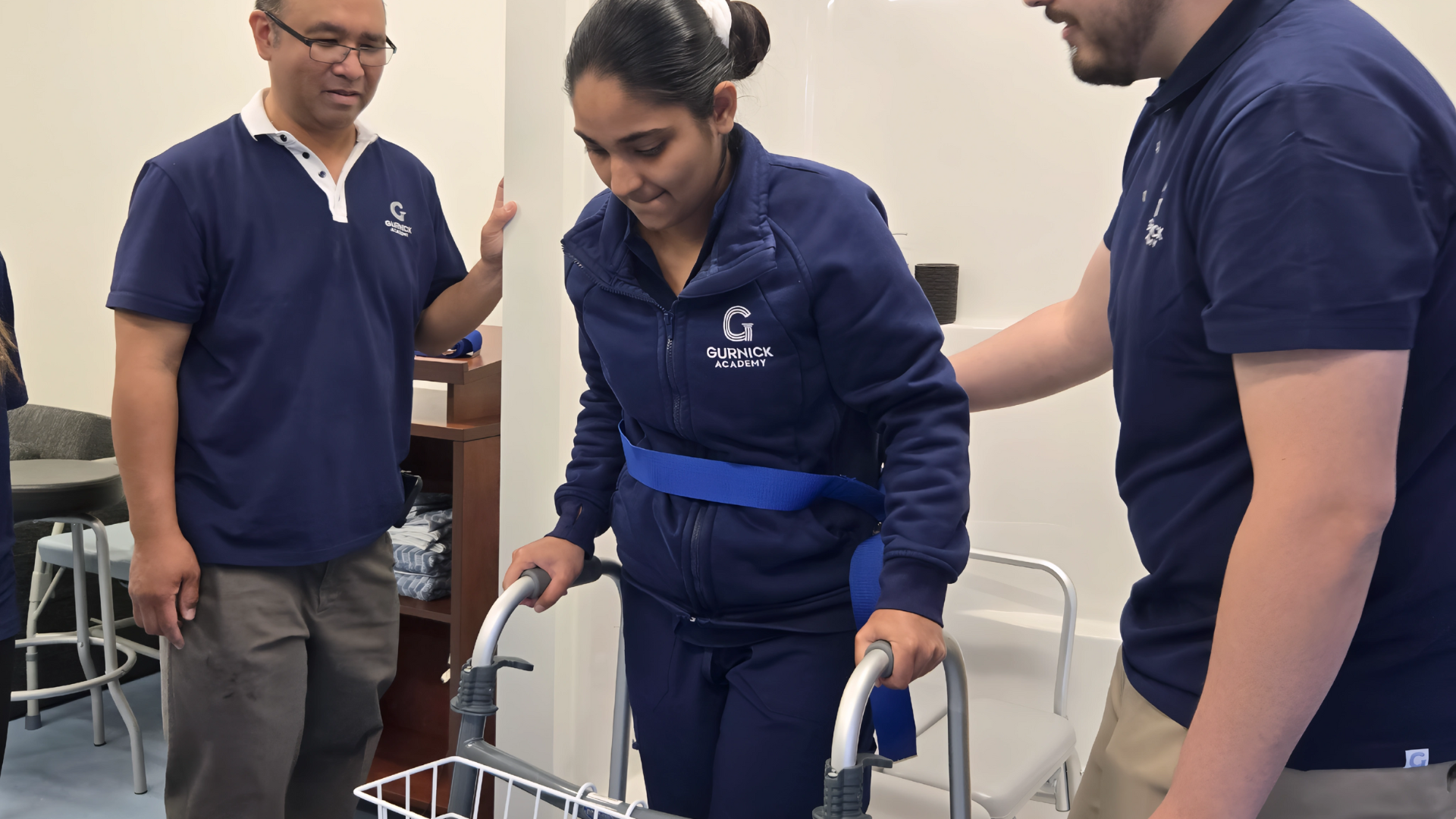
Gurnick Academy of Medical Arts Associate of Science in Occupational Therapy Assistant (A.S. in OTA) program has a classroom equipped with modern audio-visual teaching aids, textbooks, journals, anatomical charts, and models, in addition to e-library resources. The laboratories are equipped with the most current tools and materials used in the occupational therapy practice.

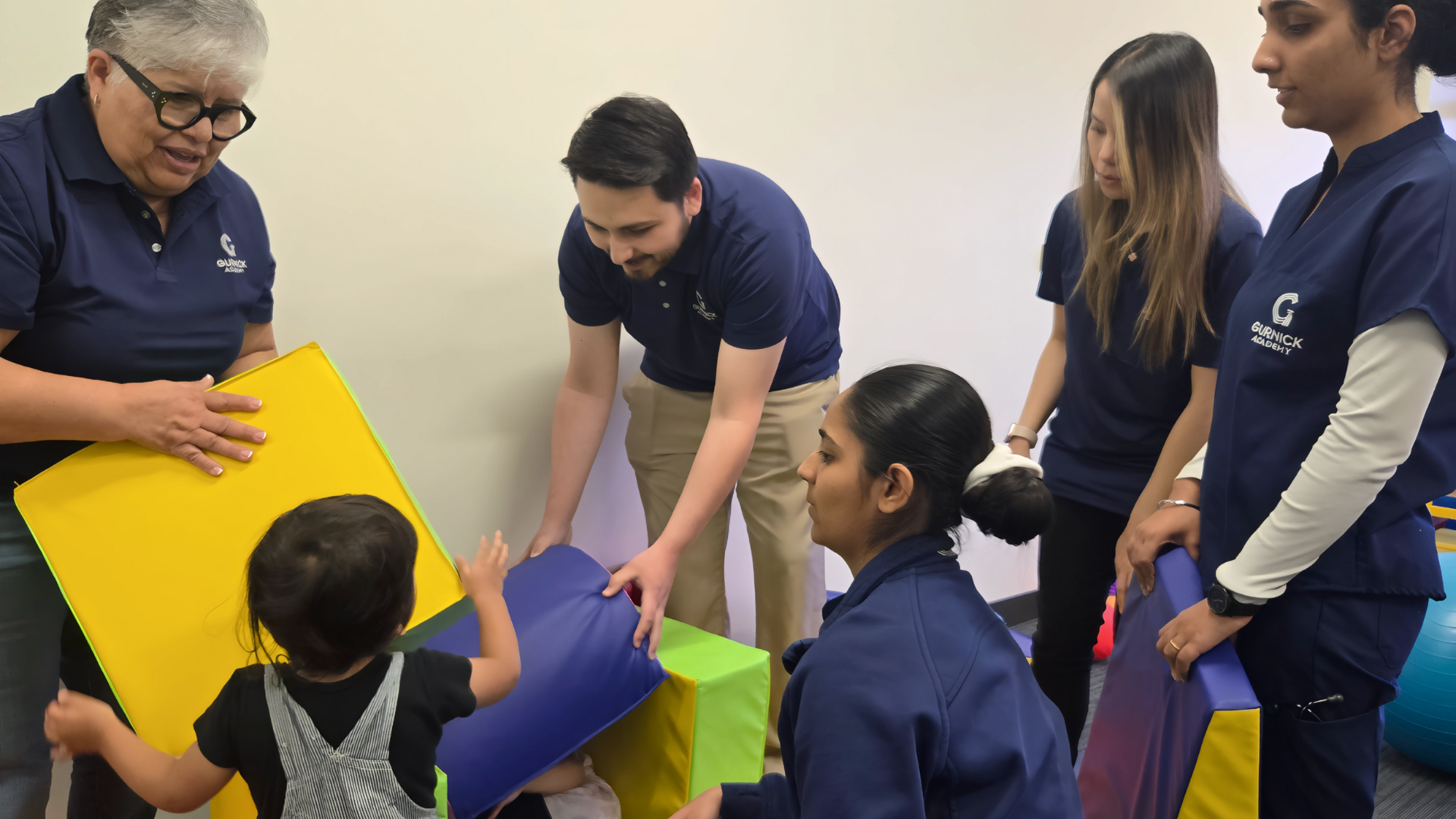
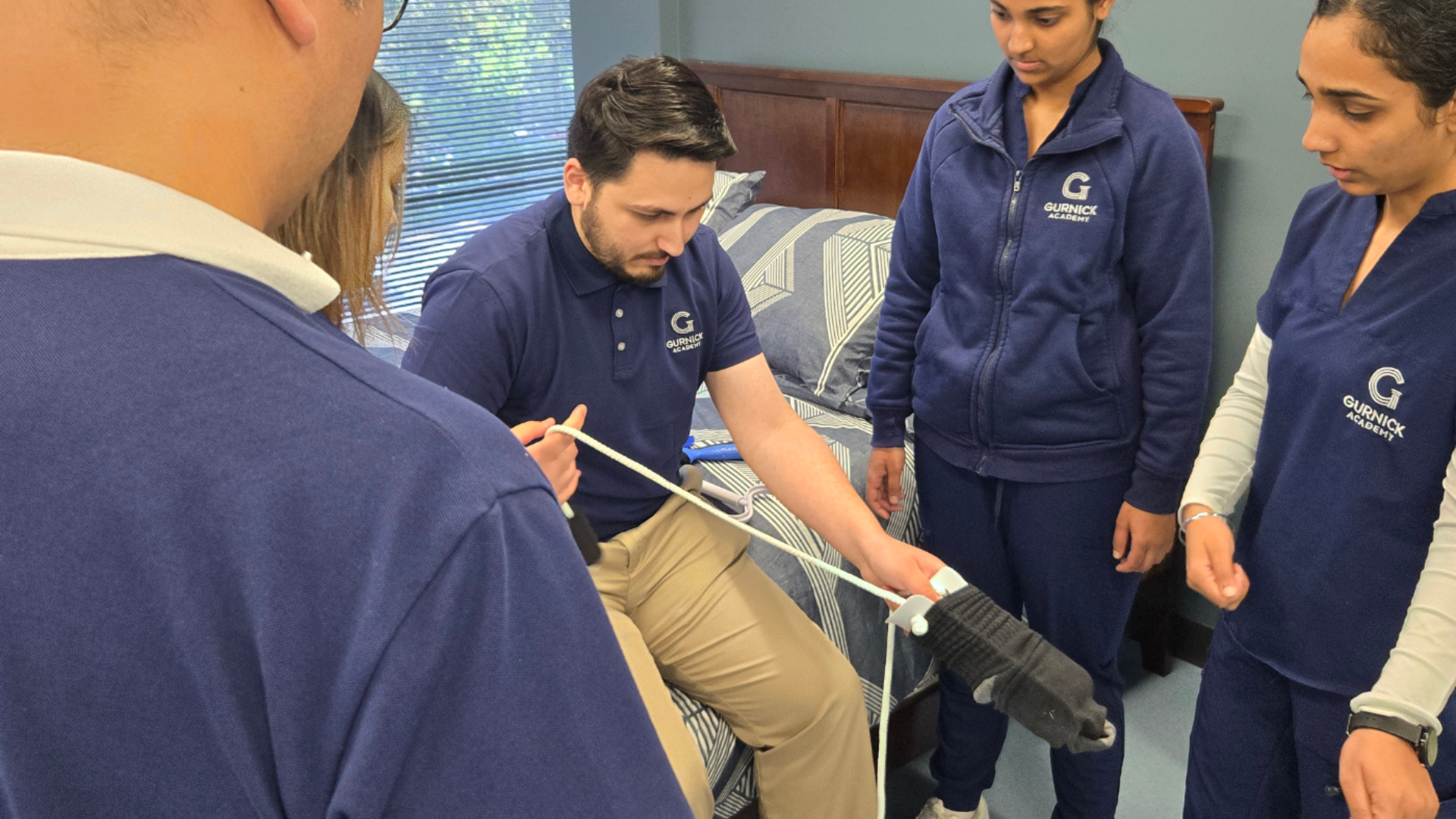
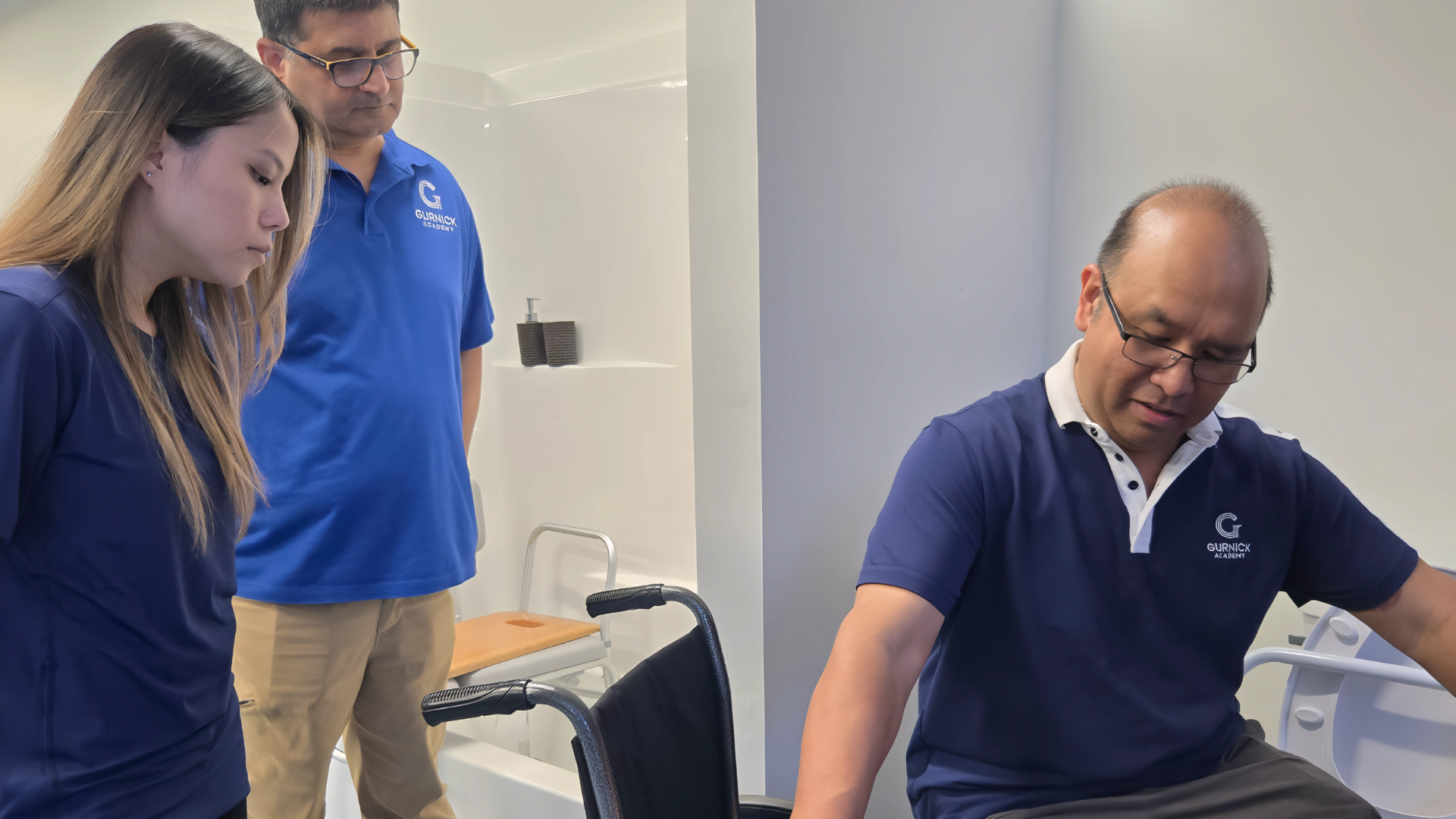
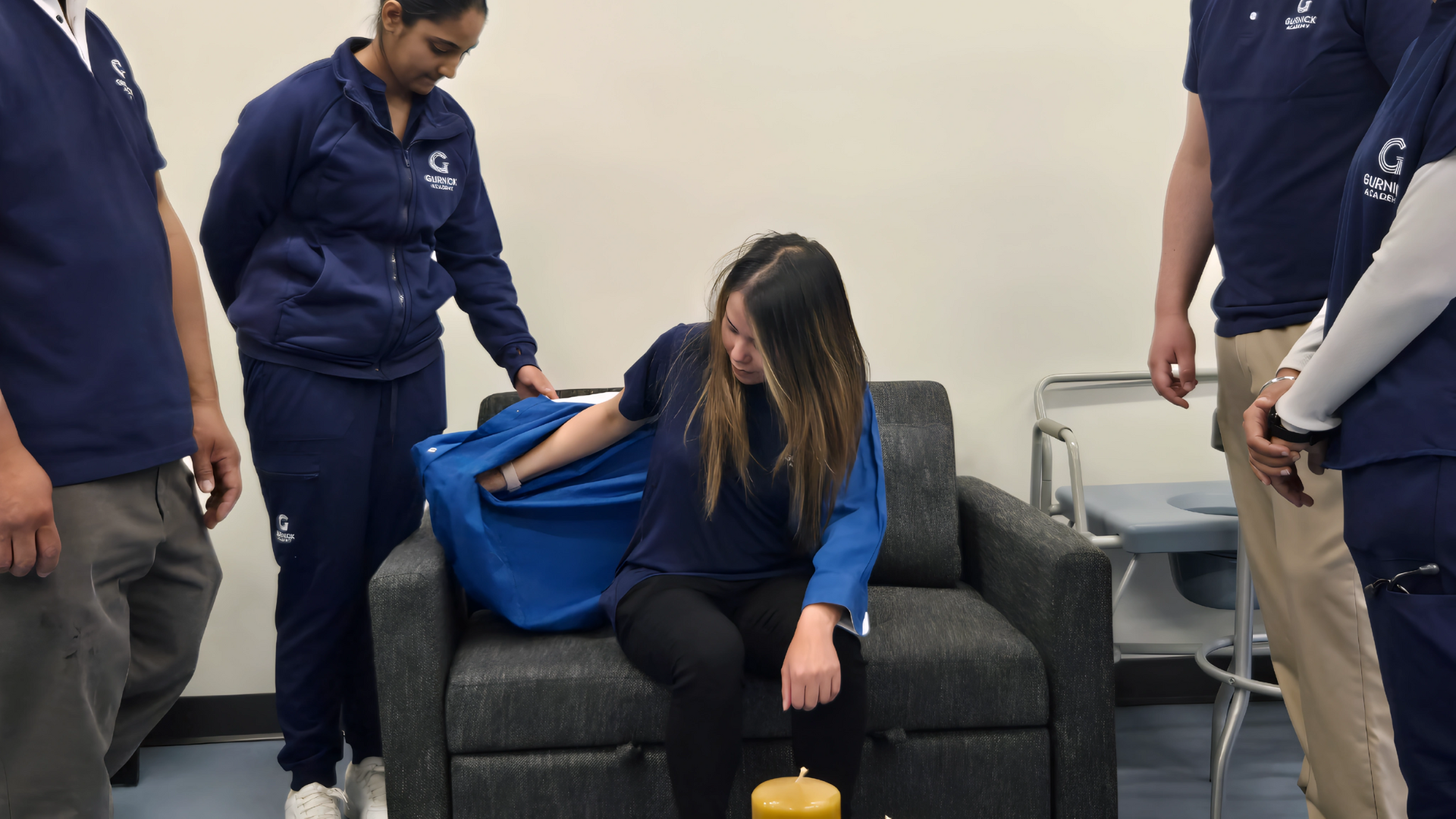
The pediatric laboratory is equipped to work with children and youth experiencing developmental, musculoskeletal, neurological, and learning issues; the lab will also serve as our sensory integration lab. Our daily living lab is situated in a room that has been developed and implemented as a living quarter, complete with a kitchen, bathroom, and living room settings.

There is a spacious lab for all the physical disabilities and biomechanical techniques, a hand therapy lab, and an ergonomics lab. The instructor-to-student ratio is 1:25 in lecture and 1:12 in laboratory.

The program includes seven (7) General Education courses and eighteen (18) core Occupational Therapy Assistant courses. Students with previous college courses equivalent to the General Education (GE) requirements can request an evaluation of their transcripts for credit transfer. During the first quarter, students will complete up to 24 hours per week of GE courses online.

Students must pass their first quarter and maintain a GPA of 3.0 to progress to the second quarter, which contains general education courses and the first OTA core course.

Quarters 3, 4, and 5 consist of blended course delivery that includes both online synchronous instruction Monday through Thursday and asynchronous learning activities. In addition, students must attend on-campus lab instruction for 2-3 weekends each quarter. Starting in Quarter 3, Fieldwork Level I will begin. This entails 40 hours of hands-on experience distributed throughout the third and fourth quarter and 80 hours in the 5th quarter. Quarters 6 and 7 each include 8 weeks of full-time level 2 fieldwork. Fieldwork takes place at an assigned clinical site and requires the student to work the full-time schedule set by their fieldwork educator. The student schedule could include any day of the week or any hour of the day.

The student receives nine hundred seventy hours (970) of didactic and laboratory instruction and eight hundred (800) hours of clinical education, allowing them to apply the lecture topics to practical use. The curriculum equips students with the technical, clinical, and interpersonal skills required to excel in this field. Additionally, the program prepares students to take the NBCOT Certification exam.

An Associate of Science in Occupational Therapy Assistant is awarded upon program completion. The normal completion time for this program is eighty-four (84) weeks, excluding any holidays and vacation times. To ensure program completion is on time and the required program hours are fulfilled, class times may be rescheduled on an alternate day of the week (i.e., Sunday through Saturday).

Upcoming start date for this program: March 29, 2027 (application deadline January 29, 2027).

New cohorts start regularly throughout the year. Our start dates are as follows:
  • March 29th, 2027

Cost of Attendance and Financial Aid Information

Cost and Financial Aid Information is an estimate for general reference only. It is not an offer or guarantee of financial aid or of any price, and what a School charges you may differ.
Total Program Tuition
≈ $50,400
Total Program Cost
≈ $51,075
FAFSA Code
Net Price Calculator

Tuition and fees. Registration Fee (non-refundable) $100.00; Student Tuition Recovery Fund $0.00; Textbooks $575.00; Tuition $50,400.00. Total program cost $51,075.00. Total program cost excludes transportation, room and board, and personal expenses.

Total fees per period of enrollment. Period 1: $8,975.00; Period 2: $8,850.00; Period 3: $8,700.00; Period 4: $6,675.00; Period 5: $5,725.00; Period 6: $6,525.00; Period 7: $5,625.00.

Cost of Attendance, 2026–2027 (one academic year). Tuition & Fees $26,200.00; Books $325.00; Transportation $7,830.00; Food & Housing $22,692.00; Personal Expenses $819.00; Loan Fees $99.00; Laptop Fees $450.00; Total Cost of Attendance (One Academic Year) $58,415.00. Individual student costs will vary.

Financial aid. Gurnick Academy of Medical Arts participates in various federal and state student financial assistance programs, including the Federal Pell Grant, FSEOG, Direct and Direct PLUS Loans, Cal Grant, Sallie Mae® and Campus Door loans, and veteran benefits, for those who qualify. Each campus has a Financial Aid Advisor. Gurnick's FAFSA school code is 041698.

Net Price Calculator. Estimate your net price with Gurnick's Net Price Calculator.

Other fees, as applicable. ATI TEAS $120; background check $33–$75; drug testing $74–$148; CPR $55–$80; fingerprinting $81 and up; licensing board fees $200–$500 depending on the exam and license; campus parking permit $25; graduation ceremony fee $20–$50. Some of these fees may be paid by Gurnick Academy for some programs.

Curriculum

The program includes seven (7) General Education courses and eighteen (18) core Occupational Therapy Assistant courses.

Required Courses

Subject #NameCredits
GE 020AHuman Body in Health and Disease I with Lab6
GE 020BHuman Body in Health and Disease II with Lab6
GE 103Growth and Development through Lifespan4.5
GE 112Algebra I4.5
GE 202General Psychology4.5
GE 230Written & Oral Communication4.5
GE 240Public Speaking4.5
OTA 100Principles of Occupational Therapy4.5
OTA 200Therapeutic Use of Occupations4.5
OTA 210Neurosciences for the Occupational Therapy Assistant3
OTA 220Health Care Management in Occupational Therapy4.5
OTA 230Occupational Performance in Mental Health: Role of the Occupational Therapy Assistant6
OTA 240Level I Fieldwork: Occupational Performance in Mental Health – Role of the Occupational Therapy Assistant1
OTA 300Business Development and Leadership for the Occupational Therapy Professional4.5
OTA 310Human Structure and Function for the Occupational Therapy Assistant3
OTA 320Occupational Performance from Birth to Adolescence: Role of the Occupational Therapy Assistant6
OTA 330Level I Fieldwork: Occupational Performance from Birth to Adolescence – Role of the Occupational Therapy Assistant1
OTA 400Occupational Performance for Adults: Role of the Occupational Therapy Assistant6
OTA 410Level I Fieldwork: Occupational Performance for Adults – Role of the Occupational Therapy Assistant1
OTA 420Occupational Performance for Older Adults: Role of the Occupational Therapy Assistant4.5
OTA 430Level I Fieldwork: Occupational Performance for Older Adults: Role of the Occupational Therapy Assistant1
OTA 500Emerging Practices and Specialties for the Occupational Therapy Professional4
OTA 510Level IIA Fieldwork10.5
OTA 600Level IIB Fieldwork10.5
OTA 610Professional Preparation for the Occupational Therapy Assistant2

Career Outcomes

Career paths. Occupational Therapy Assistant.

Certification and licensure. NBCOT certification examination (COTA), once the program is granted ACOTE Accreditation Status.

School Performance Fact Sheet. Associate of Science in Occupational Therapy Assistant – 112 Quarter Credit Hours at the San Jose campus is reported as a new program, so completion, placement and salary data are not yet available (published March 17, 2026).

Campus Address

San Jose
1641 N. 1st Street
San Jose, CA 95112

Why Accreditation Is Important

Gurnick Academy of Medical Arts holds institutional accreditation by the Accrediting Bureau of Health Education Schools (ABHES) and is approved to operate by the California Bureau for Private Postsecondary Education (BPPE). The A.S. in OTA program has been granted Candidacy Status by ACOTE; it must complete a preaccreditation review and an on-site evaluation (January 2027) and be granted Accreditation Status before graduates can sit for the NBCOT exam.

  • A reliable indicator of quality
  • Approved program of study
  • Qualified instructors
  • Recognition by employers nationwide

Accreditations

ABHES

Student Demographics

These are demographics for all students at the San Jose Campus (IPEDS, 2024).

Gender Distribution
Women74.4%(2,557)
Men25.6%(880)
Race/Ethnicity Distribution
Primary Ethnic Group
Hispanic/Latino
34.3% · 1,180 students
Hispanic/Latino34.3% · 1,180
Asian28% · 961
White17.4% · 597
Black/African American7.8% · 269
Two or More Races7.1% · 244
International Students3.3% · 114
Native Hawaiian/Pacific Islander1.6% · 55
American Indian/Alaska Native0.5% · 16

Percentages are of total fall enrollment. 1 student whose race or ethnicity was not reported is included in that total but shown as no category, so the figures above come to 100% rather than 100%.

Images
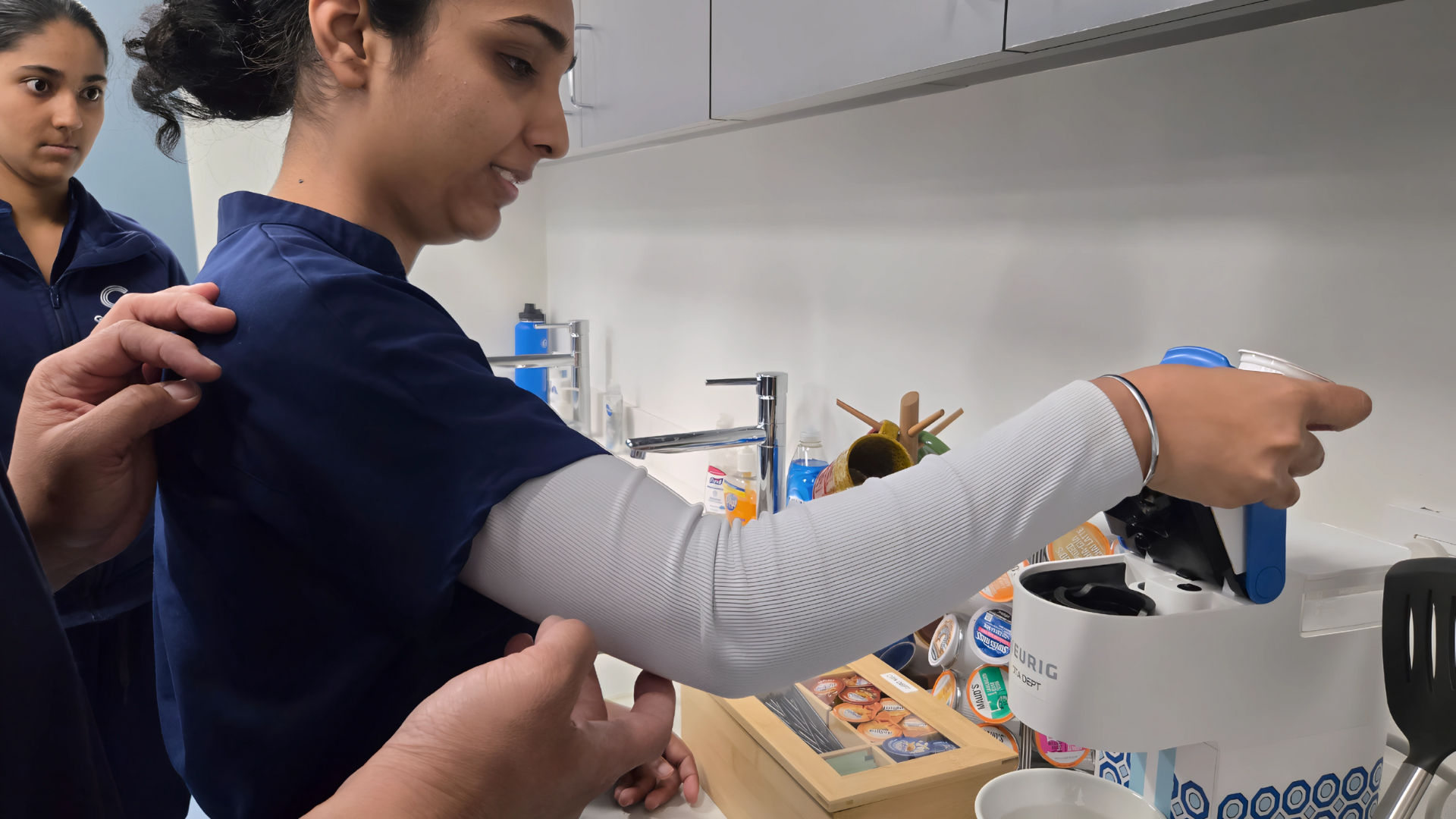
San Jose Campus Occupational Therapy Assistant OTA Program ADL Daily Living Skill Labs 06
San Jose Campus Occupational Therapy Assistant OTA Program ADL Daily Living Skill Labs 10
San Jose Campus Occupational Therapy Assistant OTA Program Pediatric Lab 03
San Jose Campus Occupational Therapy Assistant OTA Program ADL Daily Living Skill Labs 03
San Jose Campus Occupational Therapy Assistant OTA Program ADL Daily Living Skill Labs 05
San Jose Campus Occupational Therapy Assistant OTA Program ADL Daily Living Skill Labs 07

Videos

Frequently Asked Questions

Who are Occupational Therapists (OTAs)?
Answer: Occupational Therapists (OTs) = are health professionals who evaluate and treat people with injuries, illnesses, and/or disabilities. These professionals help patients by using vocational, daily living, and other skills that promote independence.1 Overall, Occupational Therapists play vital roles in helping individuals achieve independence and improve their overall well-being. • Occupational Therapists generally work in a variety of settings, such as hospitals, schools, and outpatient clinics.1 • To enter the profession, Occupational Therapists typically need a master’s degree in occupational therapy.1 • All states require Occupational Therapists to be licensed.1
Who are Occupational Therapy Assistants (OTAs)?
Answer: Occupational Therapy Assistants (OTAs) = Are students and graduates of accredited Occupational Therapy Assistant programs who have not yet become certified as Occupational Therapy Assistants or COTAs. All assistants help Occupational Therapists provide treatment, therapy, and procedures to clients while conducting routine tasks.1 Overall, Occupational Therapy Assistants play vital roles in helping individuals achieve independence and improve their overall well-being. Citations 1 Bureau of Labor Statistics, U.S. Department of Labor. Occupational Outlook Handbook, Occupational Therapy Assistants and Aides. (Accessed September 27, 2024.)
Who are Certified Occupational Therapy Assistants (COTAs)?
Answer: Certified Occupational Therapy Assistants (COTAs) = Are Certified Occupational Therapy Assistants (OTAs). This means they have completed the National Board for Certification in Occupational Therapy (NBCOT) Exam and are registered with the NBCOT. To become a COTA, one must: • Complete an accredited Occupational Therapy Assistant educational program; • Complete fieldwork. Please refer to the Gurnick Academy of Medical Arts catalog and addendum for our published policy on the timely completion of all graduation and fieldwork requirements. The student must complete 16 weeks of Level II fieldwork within six (6) months following the completion of the didactic portion of the program. • Sit for and pass a certification exam provided by the National Board for Certification in Occupational Therapy (NBCOT). Note that a felony conviction may affect a graduate’s ability to sit for the NBCOT Certification Examination or attain state licensure. • Apply for state licensure. A license is necessary to work in all U.S. states. Typically, Occupational Therapy Assistants have earned an associate’s degree from an accredited program and sat for and passed a national certification exam.
What Do Occupational Therapist Assistants Do?
Answer: Occupational Therapy Assistants work alongside Occupational Therapists as integral persons within work, healthcare, behavioral, and educational teams. These professionals help individuals overcome physical, mental, learning, work performance, and emotional challenges to engage in meaningful activities and occupations. In their day-to-day work, Occupational Therapy Assistants perform a variety of tasks. They conduct these under the supervision of an Occupational Therapist. Such activities include: • Reading patient evaluations and implementing the care plans developed by a supervising Occupational Therapist; • Collaborating with clients or patients during sessions; • Educating clients, patients, and family members; • Attending client and patient meetings; • Writing daily notes according to work settings.
Where Do Occupational Therapy Assistants Work?
Answer: Occupational Therapy Assistants generally work in hospitals, schools, rehabilitation centers, behavioral clinics, and private practices. They may also specialize in pediatrics, mental health, gerontology, geriatrics, and physical rehabilitation programs. Often, these professionals serve a wide range of patients and clients, from newborns, children, and youth with developmental delays, autism, ADHD, Cerebral Palsy, cognitive disorders, and intellectual disabilities. OTAs may also work with adults recovering from lesions and injuries (cognitive and physical). They also help prepare patients to return to work. Thus, the OTA plays a crucial role in assisting individuals in achieving their goals and improving their quality of life.
How does one become an Occupational Therapy Assistant?
Answer: • The first step in becoming an Occupational Therapy Assistant is to complete an accredited Occupational Therapy Assistant academic program. Typically, such a program takes about two years to complete. Coursework generally includes anatomy, physiology, psychology, pediatrics, mental health, kinesiology, geriatrics, gerontology, and occupational therapy principles and techniques. • The second step is to complete several clinical hours to gain hands-on experience. • The third step is to pass the National Board for Certification in Occupational Therapy (NBCOT) Exam. This exam tests an individual’s knowledge and skills in the field. It is a crucial step toward obtaining national certification and state licensure to practice as an Occupational Therapy Assistant (OTA). • All 50 states in the United States, plus the District of Columbia, Puerto Rico, and Guam, require Occupational Therapists and Occupational Therapy Assistants to be licensed to provide occupational therapy services. A license grants you the legal privilege to practice occupational therapy in the state in which you are licensed. An occupational therapy license differs from the certification earned by passing the National Board for Certification in Occupational Therapy exam.
How did the profession of Occupational Therapy Assistant come about?
Answer: As the demand for healthcare, behavioral care, learning, and return-to-work services has increased, there is a need for skilled professionals. With that, the Occupational Therapy Assistant profession has evolved. Such developments have expanded Occupational Therapy Assistants’ educational programs and increased job opportunities. Moreover, occupational therapy has grown from a relatively unknown field to a recognized and respected profession. Additionally, the field has benefited from federal laws and advances in technology and research, allowing practitioners to develop innovative intervention approaches for clients and patients. With a growing emphasis on preventative healthcare and holistic treatment, Occupational Therapy Assistants play increasingly crucial roles in helping patients recover from injuries, illnesses, and disabilities. They’ve also paved the way, showing how the vocation supports occupational performance, improvement, and general well-being.
Do you offer job placement?
Answer: We may assist with job placements for students who complete the program. However, we cannot guarantee employment.
Do students take all the required courses at Gurnick Academy of Medical Arts?
Answer: Yes. The program offers General Education and Core courses. There is an opportunity to potentially credit grant per General Education coursework under the decision of the Program Director. See the program director before registering for this course.
How long is the Occupational Therapy Assistant program?
Answer: Our program length is 21 months* long. * Indicates 84 approved instructional weeks.
Is the Occupational Therapy Assistant program accredited?
Answer: The A.S. in Occupational Therapy Assistant program at Gurnick Academy of Medical Arts is currently under applicant status and must be granted Candidacy Status, have a pre-accreditation review, complete an on-site evaluation, and be granted Accreditation Status before its graduates will be eligible to sit for the national certification examination for the occupational therapy assistant administered by the National Board for Certification in Occupational Therapy (NBCOT). The Accreditation Council for Occupational Therapy Education (ACOTE) of the American Occupational Therapy Association (AOTA) is located at 7501 Wisconsin Avenue, Suite 510E, Bethesda, MD 20814. ACOTE’s Telephone Number, c/o AOTA, is (301) 652-AOTA (2682), and its website address is www.acoteonline.org.
Can I take the coursework part-time or at my own pace?
Answer: The program is designed to be offered in a cohort model, and instruction is sequential. One class builds upon the other. Please find more info about the Program Length and Schedule at this link.
Are there prerequisites to this program? Do I have to finish my prerequisites before applying?
Answer: No. The General Education Requirements are included in the program.
Is financial aid available?
Answer: Financial Aid is available for those who qualify. Gurnick Academy of Medical Arts participates in various federal and state student financial assistance programs.
What is the best way to receive more information?
Answer: More information can be provided by contacting the OTA program director and the Admissions Department.
How do I obtain information about the A.S. in Occupational Therapists Program?
To have information sent to you or a school representative contact you, fill out our online contact form here. Or call us at 1-877-GURNICK.
How do I register for this program?
The first step is to submit an online application.
What are the admission requirements?
Applicants should follow the general requirements for entry into Gurnick Academy of Medical Arts. These can be found at General Requirements for Admissions link here and program specific requirements link here.
If I have a foreign degree/diploma, do I need it evaluated?
Please find more info about the Foreign Transcript/Diploma Evaluations process here.
When is the application deadline?
The deadline for applications is one week before the online orientation and one week before the semester’s official start date. Please see an advisor for the current academic calendar.
If I have a medical degree, am I still required to take the entrance exam?
Yes. All applicants, regardless of degree or background, must pass the entrance exam before admission into the program.
What is the length of this program?
The program length is 21 months* or 1,770 clock hours, or 112 quarter credit hours. Clinical work is 800 hours. You may learn about the B.S. in Occupational Therapy Assistant Program Length and Schedule. *84 Indicates Approved Instructional Weeks
Is this pathway online?
The OTA program requires Online Didactic, Campus Labs, and On-Ground Clinical Training.
Is this program accredited?
Gurnick Academy of Medical Arts holds national institutional accreditation by the Accrediting Bureau of Health Education Schools (ABHES). ABHES accreditation does not include continuing education courses. Additionally, Gurnick Academy of Medical Arts is a private institution approved to operate by the California Bureau for Private Postsecondary Education. Approval to operate means the institution is compliant with the minimum standards in the California Private Postsecondary Education Act (CPPEA) of 2009 (as amended) and Division 7.5 of Title 5 of the California Code of Regulations. CPPEA governs the Bureau for Private Postsecondary Education.
Is this a full-time program?
Yes. The A.S. in Occupational Therapy Assistant program is a full-time program.
Does Gurnick Academy offer night classes?
No. We currently do not offer night classes for this program.
Are there any breaks within the school year?
To review the scheduled breaks during the school year. Please see Gurnick Academy’s Addendum.
What happens if I fail a semester? Will I be expelled from this program?
Please find more info about remediation in our Catalog and Addendum.
Will I need to find my own externship?
No. Each student will complete clinical externships, which will be provided.
Are externships paid positions?
No. All externships are unpaid positions.
Can I obtain financial aid?
Financial aid is available for those who qualify. Gurnick Academy of Medical Arts participates in various federal and state student financial assistance programs.
Will I be able to work while enrolled in this course?
This is a full-time program and requires a commitment to the profession. Students may be able to work during the program depending on individual needs or preferences. However, this depends on the type of work, each student’s needs, work-study balances, and life schedules and commitments. There are some guidelines for study/life balance. The Hechinger Report cites a 2018 Georgetown University study regarding students working while enrolled in higher education. According to the report, “Students who worked had lower grades and were more likely to drop out” than those who did not work during their college tenure. The report states, “The risk was exceptionally high for low-income students. Other studies seem to concur with this report. The conventional advice to students is to work under 15 hours a week if they want to finish their degrees,” says the article.1 Citations 1 Barshay, Jill. “Working in College Interferes With Studies But Boosts Adult Earnings.” The Hechinger Report. June 17, 2019. (Accessed. June 21, 2022.)
Once, I graduate from the program, will I receive a degree or diploma?
The A.S. in Occupational Therapy Assistant program is an Associate of Science degree program.
Do you offer job placement?
We have a dedicated Career Services department that may assist with job placements for all students who complete the program. However, we cannot guarantee employment.
What is the current demand for this vocation?
Overall employment of occupational therapy assistants and aides is projected to grow 21 percent from 2023 to 2033, much faster than the average for all occupations. About 7,800 openings for occupational therapy assistants and aides are projected each year, on average, over the decade. Many of those openings are expected to result from the need to replace workers who transfer to different occupations or exit the labor force, such as to retire.1 Citation: 1 Bureau of Labor Statistics, U.S. Department of Labor, Occupational Outlook Handbook, Occupational Therapy Assistant. (Accessed April 23, 2025.)
What are some common interview questions for Occupational Therapy Assistants?
According to Gurnick Academy Career Services, typical interview questions include some of the following: • Tell me a little about yourself. • Why do you want to work for us? • What is your long-term career goal? How does this position fit into your career path? • What would your last employer say about you? • How would your coworkers/rotation team members describe your work style or work habits? • What did you learn from your past work experiences, and how is it relevant to this position/facility? What transferable skills do you feel will assist you in this position? • Are you able to work on several assignments at once? How do you handle multitasking/organization? • Describe a time when you were able to overcome a communication barrier. • What kind of people do you find it most challenging to work with, and how do you work with them? • Why should we hire you? • What questions would you ask employers?
What are the top complaints in this field?
According to the website, All 50 Medical, two complaints within the vocation seem to be that some find it physically demanding. “You are an assistant. Because you aren’t the boss, you don’t get to make decisions about the patient’s plan of care or educate the families extensively.”1 Citations 1 Bass, Pat. “Occupational Therapy Assistant Jobs | All 50 Medical.” All 50 Medical. (Accessed April 23, 2025.)
How much do Occupational Therapy Assistants make?
While workplaces, geographical regions, and employers can vary by many factors, according to the O*Net Online, the California median annual pay for Occupational Therapy Assistants is $80,3601* *Compensation may vary depending on geographic expectations, costs of living, experience, qualifications, acumen, and other factors. Citations 1 “Occupational Therapy Assistants. Wwww.onetonline.org (Accessed June 16, 2022.)
Ready to get started?
Request information about Occupational Therapy Assistant at San Jose.
Occupational Therapy Assistant