Keiser University

Nurse Anesthesia Practice (Completion)

Naples Campus
Naples, FL
Doctoral Degree
Nurse Anesthesia Practice (Completion)
Keiser University is accredited by the Southern Association of Colleges and Schools Commission on Colleges (SACSCOC). This program is also accredited by the Council on Accreditation of Nurse Anesthesia Educational Programs (COA).
Keiser University offers this program online.
$6,800 per semester. This program spans 3 semesters at full-time enrollment.
To receive a Doctor of Nurse Anesthesia Practice, DNAP (Completion) degree, students must complete 30 doctoral graduate semester credit hours.
A one-time $55 application fee applies on enrollment (subject to annual review).
Keiser University participates in federal Title IV financial aid. Grants are not available at the graduate level, but federal student loans and scholarships are available to those who qualify.

Nurse Anesthesia Practice (Completion) is a Doctoral Degree program (100% Online) offered by Keiser University in Naples, FL. The program takes 21 Months to complete, with tuition of $6,800 per semester.

Program Overview

Keiser University’s Doctor of Nurse Anesthesia Practice (DNAP) degree is the highest practice degree in nurse anesthesia. KU offers the DNAP degree through a completion program specifically designed with an online format. All students accepted into the program must be currently licensed Certified Registered Nurse Anesthetists (CRNAs).

KU’s DNAP program is designed specifically for working CRNAs. The DNAP completion degree focuses on integration of research findings for evidence-based clinical practice, education, administration, and business management related to nurse anesthesia. In addition to foundational courses students are required to complete a capstone project.

Program Mission

The Doctor of Nurse Anesthesia Practice Program incorporates a practitioner-scholar model to prepare students as expert clinicians in the full scope of nurse anesthesia practice.

Program Goals

Upon completion of the DNAP program, graduates will demonstrate:

  • Clinical competency
  • Critical thinking and evidence-based practice
  • Professionalism, ethics, and leadership

What sets this Program apart

Gain Job-Ready Skills for a Nurse Anesthesia Career

  • Evidence-based practice and clinical research application
  • Doctoral-level scholarly writing and communication
  • Leadership and policy development in healthcare systems
  • Advanced pharmacology and anesthetic management principles
  • Health informatics and technology integration in anesthesia practice
  • Business management in anesthesia care settings
  • Capstone research design, IRB processes, and outcome dissemination
  • Critical thinking and assessment skills for complex clinical scenarios

Keiser University offers career-focused degree programs designed to support working adults, traditional students, and career changers. With on-campus, online, and hybrid learning options, experienced faculty, and comprehensive student support, Keiser helps learners achieve their personal and professional goals at all levels.

Admission Requirements and Process

Applicants desiring to enter Keiser University must submit an application to the Admissions Office well in advance of the start date. This permits proper scheduling and ensures availability of classroom space. Applications for Winter, Spring, Summer, or Fall semesters should be made as early as possible, as these entry dates are normally the time of greatest enrollment.

Credit for courses or degrees completed at another institution is subject to approval by the Dean of Academic Affairs. These courses or degrees must be similar in content and duration to those offered in the program for which an applicant has applied. The Dean of Academic Affairs makes the final decision of accepted transfer credits from the received transcript. However, only courses listed on official transcripts receive permanent official transfer credit. To grant such credit, Keiser University must receive official transcript directly from the previous institution by the end of a student’s first semester. Keiser University requires that, at a minimum, a student complete at least one third of the credit hours required for any graduate or post-baccalaureate professional degree through instruction offered by Keiser University. Active duty, reservists, and National Guard service members who are students can complete at a minimum one third of a program at any time through the University. Transfer students are informed in writing of any credits accepted as transferable. Preliminary notification is presented, in most cases, prior to enrollment but in no case later than the end of a transfer student's first semester. Students are responsible for having official transcripts sent to Keiser University from all former institution(s). It may be necessary for students to forfeit some previously earned credit in the transfer process since college philosophies, objectives and programs may vary and change from year to year. Keiser University does not make any blanket assurances or guarantees regarding the acceptance or transferability of credits from other institutions. Each credit evaluation is conducted on a caseby-case basis in accordance with university policy.

Keiser University may accept transfer credits from a college or university recognized by the by the U.S. Department of Education (USDE). Coursework must be equivalent in content, level, and credit hours to the corresponding Keiser University course/s.

Qualified, accepted doctoral degree seeking students may transfer a maximum of 18 graduate level credits, but no more than two-thirds of the total credit hours (whichever is less), required for the program unless otherwise specified by a programmatic accreditor.

Acceptable courses will be equivalent to a B grade or higher unless otherwise specified by programmatic requirements. Courses represented with a Pass or Satisfactory grade may be transferable at the discretion of the program chair and/or appropriate program Dean.

General Requirements

  • Graduate School Application
    Submit an application for admission to the Graduate School
  • Master’s or Doctorate Transcript
    Submission of an unofficial master's or doctorate transcript from an accredited school. If transcripts are in a foreign language, student must provide proof of Foreign Language…
  • Program-Level Admission Decision
    An admission decision is made at the program level and based on a combination of a student’s undergraduate and graduate academic performance, letters of recommendation, statement…
  • Master’s in Nurse Anesthesia
    Master’s degree in nurse anesthesia from a COA accredited program
  • NBCRNA CRNA Certification
    Certification by the NBCRNA as a Certified Registered Nurse Anesthetist
  • Master’s Transcript With 3.0 GPA
    Official transcript of a Master's degree showing a cumulative GPA of 3.0 on a 4.0 scale in the Master's degree
  • Active RN or APRN License
    Current and unrestricted (clear/active) license as a registered nurse (or APRN if applicable) in one of the states or one of the protectorates of the United States
  • Completed Graduate School Application
    Submission of a completed Graduate School Application
  • Current Resume
    Current Resume
  • Personal Purpose Statement
    Personal Purpose Statement addressing the following areas (limit to 2 double spaced typed pages in 12 point Times Roman font in AMA format): o Reasons for seeking this educational…
  • Driver’s License Copy
    Driver’s license copy- Current, valid unrestricted driver’s license from one jurisdiction of the United States
  • Interview by Invitation
    Interviews are by invitation via phone or in person
  • Interview Focus
    The interview will focus on the Personal Purpose Statement
  • Official Transcript Deadline
    Failure to provide an official transcript by the end of the first semester of attendance will lead to dismissal from the program and Graduate School.

Application Process

  1. 1
    Contact an Admissions Counselor
    Contact one of Keiser University’s friendly admissions counselors.
  2. 2
    Attend an Open House or Campus Visit
    Attend an Open House or plan a campus visit.
  3. 3
    Meet With Your Admissions Counselor
    Schedule a convenient time to meet with your admissions counselor to determine if Keiser University is right for you.
  4. 4
    Submit an Application
    Submit an application and complete your enrollment profile and application.
    Apply Now
  5. 5
    Review Program Requirements
    Review the Graduate School admission requirements for your program.
  6. 6
    Upload Your Admission Documents
    In the Student Enrollment Portal, click on “My Documents” and upload the corresponding documents to fulfil the admission requirements. Then submit the Letter of Recommendation Form and your Personal Statement.
  7. 7
    Schedule Your Financial Aid Appointment
    Your admissions counselor will connect you to your dedicated Financial Aid Officer to schedule your appointment and receive assistance completing the FAFSA. Keiser University’s FAFSA school code is 015159.
  8. 8
    Class Registration
    Once you have accepted your financial aid funding plan, the registrars will schedule your courses throughout your entire degree plan from start to completion.
  9. 9
    Order Books
    Your admissions counselor will assist you in ordering your books through the online bookstore. Standard receipt is 3–5 business days unless you order priority.
  10. 10
    Attend Orientation
    Online programs offer a self-paced orientation through Blackboard, or a scheduled live session before each class start date. For campus programs, speak with your admissions counselor about orientation requirements at your location.
  11. 11
    Begin Classes
    The class week runs Monday through Sunday, midnight EST. You must log in by Wednesday of week one to confirm attendance, and participate a minimum of three logins per week in the Blackboard classroom for each course.

Program Schedule

To receive a Doctor of Nurse Anesthesia Practice, DNAP (Completion) degree, students must complete 30 doctoral graduate semester credit hours.

New cohorts start regularly throughout the year. Our start dates are as follows:
  • October 26th, 2026
  • January 11th, 2027
  • March 08th, 2027
  • May 10th, 2027
  • July 05th, 2027

Cost of Attendance and Financial Aid Information

Per Semester Tuition
≈ $6,800
FAFSA Code
Net Price Calculator

Keiser University charges tuition and fees by the semester for the scheduled credit hours. Each semester is 16 weeks. The rates below are the university’s published Tuition and Fee Disclosure for the Nurse Anesthesia Program, effective Fall Semester 2026, and are subject to annual review and modification.

Semester credit loadTuition per semester
Doctor of Nurse Anesthesia Practice (Completion), per semester$6,800.00

Required fees

  • Application fee — $55.00, one-time
  • Registration fee — $145.00, one-time
  • Deposit — $1,500.00, non-refundable, applied towards tuition
  • Education fee — $575.00 per semester, DNAP (Entry into Practice or Completion), for comprehensive programmatic participation and facilities resources
  • Required textbooks, laptop, webcam and microphone — $2,100.00

Other fees per occurrence: student ID replacement $15.00, re-entry fee $150.00, late payment fee $250.00, returned check fee $40.00; transcripts variable.

Financial aid

Keiser University participates in federal Title IV financial aid. Grants are not available at the graduate level, but federal student loans and scholarships are available to those who qualify. Students seeking aid complete the FAFSA using the university’s federal school code, 015159.

Curriculum

The Doctor of Nurse Anesthesia Practice (DNAP) completion degree at Keiser University builds on the knowledge and clinical skills developed during a master’s level nurse anesthesia program. Designed for practicing Certified Registered Nurse Anesthetists, the DNAP program deepens expertise in evidence-based practice, anesthesia practice leadership, health informatics, and scholarly inquiry. Graduates earn the credentials needed to pursue advanced roles in nurse anesthesia educational programs, clinical leadership, and healthcare policy.

To receive a Doctor of Nurse Anesthesia Practice, DNAP (Completion) degree, students must complete 30 doctoral graduate semester credit hours.

Required Courses

Subject #NameCredits
NGR706Scientific Foundations for Evidence-Based Practice3
NGR707Business Management Application in Evidence-based Practice3
NGR842Capstone I: Topic & Literature Review3
NGR840Leadership in Advanced Practice Nursing: Influencing Policy and Improving Patient Outcomes3
NGR852Capstone II: Methodology & IRB Submission3
NGR762Health Informatics Application3
NGR962Capstone III: Implementation3
NGR708Leadership Approaches in Healthcare3
NGR972Capstone IV: Evaluation of Outcomes & Dissemination3
NGR716Business in Anesthesia3

Career Outcomes

Career Pathways in Nurse Anesthesia Practice

Graduates of Keiser University’s DNAP program are prepared to pursue advanced leadership roles in nurse anesthesia practice and health sciences, including positions in clinical settings, academic programs, and healthcare administration. The DNAP degree supports Certified Registered Nurse Anesthetists in expanding their full-scope anesthesia practice, contributing to anesthesia care quality improvement, and taking on senior roles across a variety of practice settings. This doctoral credential also prepares nurse anesthetists to influence healthcare policy and advance the profession through scholarly project contributions.

  • Chief CRNA
  • Director of Anesthesia Services
  • Nurse Anesthesia Program Director
  • Clinical Director of Anesthesia
  • Advanced Practice Registered Nurse Leader
  • Healthcare Policy Advisor
  • Anesthesia Quality Improvement Specialist
  • Operating Room Anesthesia Provider
  • Critical Care Anesthesia Specialist
  • Academic Nurse Anesthesia Faculty
  • Anesthesia Research Specialist
  • Healthcare Administration Leader

While Keiser University provides employment placement assistance, it cannot promise or guarantee employment.

What to expect as a Keiser University student

Keiser University’s DNAP completion degree supports experienced Certified Registered Nurse Anesthetists ready to advance through doctoral-level study in nurse anesthesia practice. With a fully online format built around the schedules of working professionals, the program aligns with your clinical career and leadership goals. Whether pursuing advanced roles in anesthesia care delivery, nurse anesthesia educational programs, or healthcare policy, Keiser provides the academic foundation and practical insight needed to succeed at the highest levels of the profession.

Campus Address

Naples Campus
3909 Tamiami Trail East
Naples, FL 34112

Why Accreditation Is Important

Keiser University is accredited by the Southern Association of Colleges and Schools Commission on Colleges (SACSCOC) to award associate, baccalaureate, masters, educational specialist, and doctorate degrees.

The Keiser University Nurse Anesthesia Program is accredited by the Council on Accreditation of Nurse Anesthesia Educational Programs (COA), 10275 West Higgins Road, Suite 906, Rosemont, Illinois 60018-5603 (224) 275-9130.

View State Licensure Disclosure Information

  • Eligible for federal Title IV financial aid
  • Credits earned toward a respected credential

Images
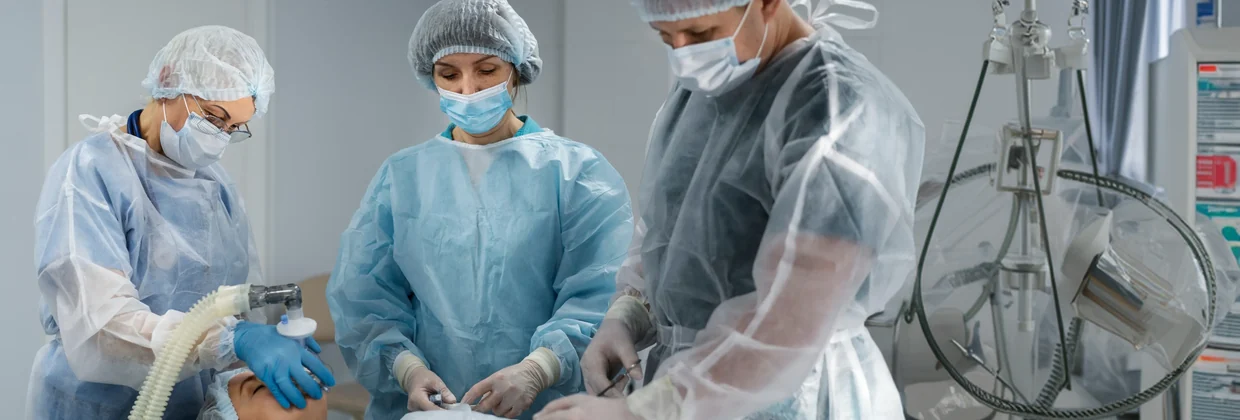
Doctor of Nurse Anesthesia Completion
Doctor of Nurse Anesthesia Practice (Completion Degree)

Frequently Asked Questions

What is the DNAP completion degree program at Keiser University?
The Doctor of Nurse Anesthesia Practice (DNAP) completion degree is a graduate program for practicing CRNAs who already hold a master’s degree from a COA-accredited nurse anesthesia program. The program consists of 30 graduate semester credit hours and takes approximately 24 months to complete in a fully online format. Coursework focuses on evidence-based practice, leadership in advanced practice nursing, health informatics, and a scholarly capstone project that culminates in a meaningful contribution to anesthesia practice.
Who qualifies to apply to the DNAP program?
- Eligible applicants hold a current certification as a CRNA and possess a master’s degree in nurse anesthesia. - Maintain active clinical practice experience in nurse anesthesia. - Submit required application documents, including transcripts, letters of recommendation, and a scholarly project proposal. - Participate in an interview focusing on professional work history and scholarly project plans.
What is a CRNA, and what is the history of Keiser University’s Nurse Anesthesia Program?
The Keiser University Doctor of Nurse Anesthesia Practice (DNAP) program boasts over 20 years of history and experience, having been originally established in 2004 as part of Wolford College before transitioning to Keiser University in 2018. Since that transition, the program has continued to expand its healthcare education portfolio and is fully accredited to award the DNAP degree. It serves both entry-into-practice providers and post-master’s certified registered nurse anesthetists (CRNAs) seeking to enhance their scholarship, leadership, and entrepreneurship. CRNAs are board-certified advanced practice nurses who administer anesthesia and provide critical care before, during, and after surgical, therapeutic, diagnostic, and obstetrical procedures. Keiser University’s Nurse Anesthesia program prepares nurses to become CRNAs who deliver expert anesthesia care across diverse clinical settings. Building strong community partnerships has enabled students to gain enriching experiences beyond traditional operating room settings, including medical mission trips to Honduras and the Dominican Republic. In 2022, the program became one of the first in the nation to offer the didactic curriculum in a flexible online and hybrid format, complemented by on-campus, high-fidelity simulation workshops each semester. Keiser University’s Nurse Anesthesia program currently offers access to more than 60 clinical training sites across various specialties and practice settings. The program prepares graduates with advanced knowledge, critical thinking skills, and leadership capabilities that enable them to provide enhanced anesthesia care and act as leaders to improve healthcare quality. Watch the DNAP Program Overview Video
What is the difference between the DNAP completion degree and the DNAP Entry-Into-Practice program?
The DNAP completion degree builds on an existing master’s degree in nurse anesthesia for practicing CRNAs. The DNAP Entry-Into-Practice program is designed for RNs with a current and unrestricted Registered Nursing license.
Is financial aid available for the DNAP program?
Yes. Students enrolled in the DNAP completion degree program may qualify for financial aid. Online students access the same financial aid resources as campus-based students, including scholarships and tuition assistance programs. Speak with a dedicated financial aid counselor to explore all available options.
Is the DNAP program accredited?
The Keiser University Nurse Anesthesia Program is accredited by the Council on Accreditation of Nurse Anesthesia Educational Programs (COA). Learn more about Keiser University accreditation.
What career opportunities are available after completing the DNAP degree?
DNAP graduates may pursue advanced roles in health sciences and anesthesia practice, including positions as clinical directors, anesthesia program directors, nurse anesthesia educators, independent practice CRNAs, healthcare policy advisors, and quality improvement specialists. The doctoral credential strengthens eligibility for leadership positions across operating rooms, critical care units, outpatient surgical centers, and academic institutions.
How long does it take to complete the DNAP program?
The DNAP completion degree takes approximately 24 months to complete. Students complete 30 graduate semester credit hours across 10 courses. Time to degree completion is an estimate and may vary based on individual circumstances.
How much does it cost to earn this degree?
Tuition at Keiser University varies by degree program. Keiser offers financial aid, military and veteran benefits, scholarships, and tuition reimbursement to those who qualify, which can affect total tuition cost. For more detailed cost information, please contact an admissions counselor. Get more information about Keiser University’s tuition and costs.
What degrees are offered through the DNAP program?
DNAP-C (Completion) is designed for practicing CRNAs with a master’s degree in nurse anesthesia. This pathway focuses on advanced clinical practice, leadership development, and scholarly work to enhance expertise and career growth.
What courses make up the DNAP completion degree program?
The DNAP program includes 10 courses each carrying 3.0 credit hours: Scientific Foundations for Evidence-Based Practice, Business Management Application in Evidence-Based Practice, Capstone I (Topic and Literature Review), Leadership in Advanced Practice Nursing: Influencing Policy and Improving Patient Outcomes, Capstone II (Methodology and IRB Submission), Health Informatics Application, Capstone III (Implementation), Leadership Approaches in Healthcare, Capstone IV (Evaluation of Outcomes and Dissemination), and Business in Anesthesia. All degree requirements must be completed to earn the Doctor of Nurse Anesthesia Practice credential.
How does a DNAP degree differ from a PhD in nursing?
DNAP graduates typically work in clinical and leadership roles, while PhD graduates often pursue research and academic careers. - The DNAP degree is a clinical doctorate that prepares expert clinicians and leaders who apply evidence-based practice to improve patient care. - The PhD is a research doctorate emphasizing original scientific research and academic scholarship.
What is the research or scholarly project requirement for the DNAP program?
All DNAP students complete a Capstone Project, the program’s major scholarly and practical work. Instead of traditional research involving original data collection, the Capstone Project focuses on utilizing existing evidence and advanced knowledge to address a real-world issue or enhance clinical practice in nurse anesthesia. The project unfolds over four courses across the later semesters of the program. Students start by selecting a meaningful topic related to anesthesia practice, education, or leadership. They then thoroughly review the current scientific literature to understand best practices and identify areas that need improvement. Based on this research, students develop an evidence-based solution such as a clinical protocol, educational module, or simulation training. Instead of direct patient research, the project involves simulated implementation or expert evaluation. Finally, students prepare professional materials, including manuscripts, posters, and presentations, to share their findings with healthcare and academic audiences. Throughout this process, the Capstone Project chair guides students, providing mentorship and scholarly oversight to ensure the project meets rigorous academic standards and aligns with accreditation requirements. This role includes helping with topic refinement, reviewing project designs, and supporting dissemination efforts. The Capstone Project cultivates critical thinking, leadership, and evidence-based practice skills, equipping graduates to enhance anesthesia care and healthcare systems.
What are the admissions requirements?
DNAP-C (Completion): - Hold current certification as a CRNA and possess a master’s degree in nurse anesthesia. - Maintain active clinical practice experience in nurse anesthesia. - Submit required application documents, including transcripts, letters of recommendation, and a scholarly project proposal. - Participate in an interview focusing on professional work history and scholarly project plans.
What GPAs are reviewed for acceptance into the program?
Three GPAs will be reviewed: overall, highest degree, and science GPA. All applicants must have a 3.0 or higher GPA to be considered for an interview. What are the chemistry requirements for admission to the program? General Chemistry I and General Chemistry II, one with a lab component, with grades of a B or higher, are required. One must have been taken within the last five years. I am currently taking the last class that is required for the program. May I submit my application before completing the class? You can begin your application at any time, but all admission requirements must be met before an applicant can be considered for an interview. Final grades of all required classes are a part of those admission requirements. When will an interview be offered? Applicants who have met all admission requirements and have completed applications with clear background checks will be considered for an interview. What does the interview process involve? Applicants who have been prequalified and have completed and cleared a background check will be invited to interview. DNAP-Completion interviews focus on the applicant’s relevant professional experience, contributions to anesthesia practice, and ideas for their Capstone Project. The goal is to ensure alignment of the project plan with program expectations and scholarly rigor. When are students required to be on campus? DNAP-Complerion students do not have any required on-campus sessions and complete the program online. What clinical sites are available for students? Choosing a nurse anesthesia program based solely on clinical training site affiliations can be uncertain because clinical sites often change and may become unavailable for various reasons. Keiser University’s program has been established for many years. It has developed strong and lasting clinical partnerships throughout Florida, including Tampa Bay, Orlando, Miami, Fort Lauderdale, Naples, and Jacksonville sites. The program also looks to expand clinical training opportunities into Ohio and a few other states. Despite these long-standing relationships and ongoing growth, the program cannot guarantee placement at a specific clinical site or even ensure that a particular site will remain available during clinical training. However, every effort is made to connect students with clinical sites in their preferred practice areas, especially when they have relevant work history or live near those locations. How does the program prepare students for the National Certification Examination (NCE)? The curriculum is designed to support students thoroughly in preparing for the NCE. Students engage with core content multiple times through didactic coursework, clinical practice, and review modules. Integrated resources such as Prodigy Anesthesia and Apex Anesthesia Review supplement preparation with focused exam-style questions and practice. Is the GRE required to apply? The GRE is not required. Applicants who have taken the GRE may submit scores, which can strengthen their application, but this is not mandatory. Is the CCRN certification required? No. CCRN certification is not required, though equivalent critical care competency and experience are expected and assessed as part of the admissions process. What types of critical care experience count toward admissions? Accepted critical care experience includes adult medical, surgical, cardiovascular, trauma, cardiothoracic, and neurosurgical intensive care units. Experience in the emergency department, post-anesthesia care unit, operating room, pediatric or neonatal intensive care units, and flight nursing are not accepted for meeting clinical experience requirements. Does the program offer tutoring? Students have multiple resources to support their learning and success. These include access to Tutor.com for on-demand tutoring, as well as clinical and virtual simulation tools, such as an Anatomage table, a state-of-the-art, life-sized 3D anatomy visualization tool that allows students to virtually dissect and explore real human cadavers. Additionally, students have access to Keiser Evolve, KU Labster, and ShadowHealth. Comprehensive anesthesia textbooks and student resources are also provided by publishers such as McGraw-Hill and Pearson. Students are encouraged to use faculty office hours and connect with their faculty advisors for additional guidance and support. Informal peer collaboration is welcomed. What should students study before starting the program? Before beginning the DNAP program, students should review foundational subjects such as anatomy, physiology, pathophysiology, and pharmacology, emphasizing receptor theory and cell signaling pathways. Developing effective learning strategies and understanding personal study preferences is more valuable than trying to learn anesthesia-specific content prematurely. Students should also be comfortable with basic healthcare-related calculations, including: Mastering these skills before entering the program will help students prepare for the rigorous mathematical and scientific demands of nurse anesthesia education. Avoid studying anesthesia concepts on your own to prevent misunderstandings. Instead, identify your learning style and create a routine suited for adult learning; this is more important than reviewing material in advance. What happens if I have a prior arrest or background issue? Applicants must fully disclose any history of legal issues, including arrests, charges, convictions, or any other encounters with law enforcement, regardless of how minor or long ago they occurred. This includes matters that may have been dismissed, expunged, or sealed. The admissions committee reviews all background information on a case-by-case basis to determine eligibility for admission. Failure to disclose such information may result in denial of admission or rescission of acceptance if discovered later. Complete transparency is essential to ensuring compliance with clinical site requirements and professional licensing standards, as well as verifying eligibility for certification. What student support services are available to DNAP students? Keiser University offers a comprehensive range of student services to support your academic and professional journey: These services are designed to enhance your educational experience and help you succeed both academically and professionally. What should I know about online learning for the DNAP program? What technology do I need, and who is this type of learning suitable for? The DNAP program is mostly online, with live classes you attend on set schedules. To do well, it helps to maintain a regular study routine, stay engaged in discussions and group work, and stay motivated to complete assignments. To participate fully in live sessions, you will need reliable internet access, a computer with updated software, and an external webcam and microphone. This program is best suited for students who are organized, communicate effectively, can adapt to new technology, and enjoy guided independent learning. Online learning offers valuable flexibility, but to fully benefit from this format and succeed in the DNAP program, it is crucial to manage time effectively and stay on track with coursework and deadlines. Without strong self-discipline and organization, the advantages of online learning can quickly become challenges, so it’s important to actively plan a study schedule and stay accountable throughout each term. Can I work while enrolled in the DNAP program? Employment During the Didactic Phase The didactic phase of the DNAP program involves intensive coursework that requires significant time and cognitive engagement. While acceptance into the program does not explicitly forbid employment during this phase, given the curriculum’s demands, it is strongly discouraged. To ensure success, students must dedicate substantial time to studying, attending lectures, and engaging in other academic activities. Employment During the Clinical Education Phase The clinical education phase introduces additional complexities. During this time, it is discouraged for a DNAP student to be employed. Clinical schedules are variable, and students are required to be available for shifts that may extend beyond regular working hours and on short notice. Above all, there are legal limitations on the amount of downtime required before starting a shift, which can vary depending on state regulations and institutional policies. All of these factors make balancing employment with clinical responsibilities impractical and potentially detrimental to both patient care and student well-being. - Dosage calculations (mg/kg, mcg/min) - Intravenous flow rates and drip rates - Unit conversions (e.g., milligrams to grams, milliliters to liters) - Dilution and concentration calculations - Basic algebra for solving equations with unknown variables - Interpretation of numerical laboratory values - Career development includes assistance with CV writing, interview preparation, job search strategies, and access to job postings through the online career center. - A student services portal provides access to academic calendars, event schedules, grades, and other essential resources. - Financial aid counseling offers guidance on scholarships, grants, loans, and other financial resources. - Accessibility services support students with disabilities to ensure equal access to educational opportunities. - Health and wellness resources help maintain your well-being during your studies.
Ready to get started?
Apply to Nurse Anesthesia Practice (Completion) at Naples Campus.
Nurse Anesthesia Practice (Completion)