
Medical Career College of Northern California

Radiologic Technology

Roseville
Roseville, CA
Associate Degree · Hybrid
Radiologic Technology
Institutionally accredited by ABHES, licensed by California's BPPE and approved by the CDPH Radiologic Health Branch and ARRT.
Hybrid: classes joined online at the same time as residential students, with all labs in Roseville; for students living 70+ miles away.
Tuition is $62,263; total program charges including fees, textbooks and supplies are $67,096.
This program takes about 96 weeks to complete (3,092 hours of instruction, 178 quarter credits).
A non-refundable $225 registration fee is paid at the time of enrollment.
Contact school for details

Radiologic Technology is an Associate Degree program (Hybrid) offered by Medical Career College of Northern California in Roseville, CA. The program takes 96 weeks to complete, with a total tuition of $62,263.

Program Overview

Hours of Instruction: 3092. Outside Preparation Hours: 561. Weeks of Instruction: 96. Quarter Credits: 178.

Classes are offered in Residence or as a Hybrid option. All students are required to complete numerous classroom quizzes, laboratory procedures, hands on positioning, and homework assignments. Additionally, students will be required to take and pass the mid-term and final exams and show proficiency in positioning and back office medical skills.

Externship. Clinical Rotation 1 (RCC221) will begin in the third quarter upon successful completion of the second quarter. Clinical Rotations II through VIII will occur successively until the 1850 required hours and the performance of the required exams have been met. The externship will be completed at a radiology facility under the supervision of a Supervising Licentiate that is affiliated with the school and approved by the California Department of Public Health, Radiologic Health Branch (CDPH/RHB).

California State Licensure Requirements. The California Department of Public Health Radiologic Health Branch requires that all applicants submit a completed application to test in the category of Radiologic Technology, a copy of the institution’s “Associate of Applied Science in Radiologic Technology” requirements, and the appropriate examination fee.

Graduation requirements. Students must complete all areas of the program with a cumulative GPA of 75% or better and satisfactorily complete the externship in an approved facility. In addition, students must satisfy all financial obligations to the school to receive their degree.

Students enrolled in the Hybrid program will be required to complete all laboratory procedures in residence. Hybrid courses are attended at the same time as those coming in residence.

Hybrid delivery. Each student enrolled in a hybrid program will be required to log in and participate during their scheduled classroom time, submit required assignments, and take quizzes in any given week. Students are required to attend classes in person at the campus during the scheduled labs, or as arranged by the instructor. Students enrolled in the hybrid program must keep their grades at or above 75% to maintain hybrid status; if a student’s GPA falls below 75%, they will be required to attend classes on campus until their grades return to the 75% benchmark. The school can provide tablets on loan for the duration of the program at no additional cost. Students attending school with the GI Bill will not be allowed to attend as a distance or hybrid learner.

What sets this Program apart

  • Individual attention in small classes
  • Licensed and accredited program
  • Flexible payment plans
  • Over 20 years of teaching experience
  • Woman-owned business promoting diversity
  • Practical clinical experience
  • Instructors with real-world industry knowledge

Admission Requirements and Process

All applicants are required to interview with the School Director or Admissions Representative, successfully pass the entrance examination, and complete all other admissions requirements before being accepted into the training program. During the interview, the School Director or Admissions Representative will discuss the various aspects of training, programs offered, tuition, and entrance requirements. Applicants are encouraged to take a tour of the facility and observe classes if they desire.

Hybrid option. To be eligible for the Hybrid or Distance Learning Hybrid program, students must reside at least seventy (70) miles from the campus. If the address provided differs from the one listed on the state-issued identification card or driver’s license submitted during admission, proof of current address is required. All students receive information about hybrid program minimum system requirements during the admissions interview and must sign a form attesting to their compliance.

General Requirements

  • Minimum age
    All applicants must be 18 years of age or older; interested applicants under 18 years of age must have parent or guardian approval.
  • High school diploma
    Applicants must possess a high school diploma or its equivalent, and official transcripts must be submitted to the admissions department prior to enrollment.
  • Criminal background
    A criminal record will jeopardize a graduate's eligibility for employment, so MCCNC does not accept applicants who have been convicted of a felony.
  • Wonderlic entrance exam
    Applicants must take and pass the 50-question Wonderlic Assessment Exam (math and English at the 12th-grade level, 15 minutes) with a minimum score of 26 for this program; the…
  • Spatial acuity test
    Applicants must take and pass the Spatial Acuity Test, which determines if an applicant can manipulate 2D and 3D objects; the minimum passing score for AAS-RT is 17 out of 28.
  • Foreign transcripts
    Applicants who attended high school outside the United States must submit a certified, officially translated transcript or diploma evaluated by a member of the National…
  • Hybrid eligibility
    To be eligible for the hybrid program, students must reside at least seventy (70) miles from the campus, have access to a computer or tablet with internet capability, and attend…

Application Process

  1. 1
    Request an admission application
    Requests for an admission application or course catalog may be made in writing to Medical Career College of Northern California, 1220 Melody Lane Suite 140, Roseville, CA 95678, or by emailing mccnc2000@gmail.com.
  2. 2
    Interview with admissions
    All applicants interview with the School Director or Admissions Representative to discuss the training, programs offered, tuition and entrance requirements; applicants receive the current catalog and School Performance Fact Sheet and are encouraged to tour the facility.
  3. 3
    Pass the entrance exams
    Take the Wonderlic Assessment Exam and the spatial acuity test ($20 non-refundable assessment fee, paid in cash); an applicant can take the test twice per program application and results are valid for one year.
  4. 4
    Make financial arrangements
    The student must make financial arrangements with the Financial Aid Office regarding the FAFSA application, scholarships and/or cash payment plan prior to enrolling.
  5. 5
    Enroll and pay the registration fee
    Meet with a school official to read, understand and sign all enrollment documents, show proof of physical location, and pay the $225.00 registration fee at the time of enrollment.
  6. 6
    Attend New Student Orientation
    Orientation is conducted approximately one week prior to the start of class; all newly admitted students are required to attend.

Program Schedule

Scheduled Days: Tuesday, Wednesday, & Thursday (class days 8:00 a.m.–4:45 p.m. per the program brochure). Hybrid students attend classes at the same time as in-residence students. The program starts annually in July; Catalog Supplement A lists a July 7, 2026 start with an estimated graduation date of July 27, 2028.

Cost of Attendance and Financial Aid Information

Cost and Financial Aid Information is an estimate for general reference only. It is not an offer or guarantee of financial aid or of any price, and what a School charges you may differ.
Total Program Tuition
≈ $62,263
Total Program Cost
≈ $67,096
FAFSA Code

Total charges for the period of attendance. Tuition $62,263; admin fee $960; lab & supplies $480; non-refundable registration fee $225; textbooks & supplies $2,623; assessment fee $20; exam fee $525. Program total: $67,096.

Estimated cost of attendance (one academic year). Tuition & fees $64,473; loan fees $100; books & supplies $2,623; transportation $4,014; living expenses $13,239; personal expenses $2,070; total cost of attendance $86,519. Individual student costs will vary.

Books. Students can purchase books from MCCNC or another source; books purchased must be the same books and editions indicated on the book list. MCCNC does not have a bookstore.

Payment. Tuition can be financed with the school in equal monthly payments with a predetermined payment in accordance with the qualifications of the applicant and as per the enrollment agreement contract. A late payment fee of $50.00 is assessed to students who do not complete payment of tuition and fees by midnight of the due date. Effective April 2024, STRF is on hold until further notice.

Federal financial aid. The 2026 catalog states: "Currently, the school offers Federal Financial Aid for the Medical Assisting with Limited Permit X-ray Technician and the Medical Assistant programs." Contact the Financial Aid Office for financial aid details for this program. MCCNC's federal school code is 041376.

Other funding. MCCNC is approved for the training of veterans and eligible persons (GI Bill®/Vocational Rehabilitation benefits). MCCNC is on the State of California's Eligible Training Provider List (ETPL) and the Sacramento Employment Training Agency (SETA) Local Training Provider List for training of eligible candidates through WIOA, EDD, DOR, TRA, and Private Vocational Rehabilitation.

Required Courses

Subject #NameCredits
ENG101English and Reading Composition4
SCI102Anatomy and Physiology with Medical Terminology6
MTH111Algebra I4
HUM110Humanities4
PSY101Psychology I4
RT101Introduction To Medical Imaging and Radiologic Sciences2
RT102Bone Anatomy with A Focus on Radiology7
RT103Radiographic Patient Care4.5
RT104Medical Law and Ethics in Radiology2
RT201Radiographic Procedures I4
RT202Radiographic Procedures Lab I1.5
RT203Radiation Physics6.5
RT204Radiation Protection and Biology5
RT301Radiographic Procedures II5
RT302Radiographic Procedures Lab II1.5
RT303Radiographic Pathology6
RT304Digital Imaging and Equipment4.5
RADT401Radiographic Procedures III4
RADT402Radiographic Procedures Lab III1.5
RADT501Radiographic Procedures IV4
RADT502Radiographic Procedures IV Lab1.5
RADT601Fluoroscopy and Mobile Radiography6
RADT602Introduction to Cross Sectional Anatomy6
RADT603Computerized Tomography6.5
RADT702Radiographic Pharmacology & Venipuncture6
RADT802Advanced Imaging Analysis and Evaluation6
RADT901Professional Development and Review3
RCC221Clinical Rotation I2.5
RCC331Clinical Rotation II5
RCC441Clinical Rotation III6
RCC551Clinical Rotation IV6
RCC661Clinical Rotation V11.5
RCC771Clinical Rotation VI10
RCC881Clinical Rotation VII10
RCC991Clinical Rotation VIII10

Career Outcomes

Radiologic Technology is a health care profession whose practitioners work in hospitals, imaging centers, and private physicians’ offices. The role of the graduate radiographer may be that of staff radiographer, special imaging radiographer, supervisor, administrator or educator, depending upon the level of education and experience obtained. To become a licensed X-ray Technologist (Radiologic Technologist) in California, you must complete an ARRT-approved radiologic technology program, pass the ARRT Radiography Exam, apply for a California Certified Radiologic Technologist license, and maintain it with 24 hours of continuing education every two years.

Campus Address

Roseville
1220 Melody Lane
Suite 140
Roseville, CA 95678

Why Accreditation Is Important

Medical Career College of Northern California is institutionally accredited by the Accrediting Bureau of Health Education Schools (ABHES), ABHES ID I-104. It is licensed to operate by the California Bureau for Private Postsecondary Education (BPPE), School Code 41462639, and approved by the California Department of Public Health, Radiologic Health Branch (ID 1172). The AAS RT program is approved by the American Registry of Radiologic Technologists (ARRT) and has been given a program verification number.

  • A reliable indicator of quality
  • Approved program of study
  • Qualified instructors
  • Recognition by employers nationwide

Accreditations

ABHES

Student Demographics

These are demographics for all students at the Roseville Campus (IPEDS, 2024).

Gender Distribution
Women57.1%(8)
Men42.9%(6)
Race/Ethnicity Distribution
Primary Ethnic Group
White
42.9% · 6 students
White42.9% · 6
Hispanic/Latino28.6% · 4
Asian28.6% · 4
Black/African American0% · 0
American Indian/Alaska Native0% · 0
Native Hawaiian/Pacific Islander0% · 0
Two or More Races0% · 0
International Students0% · 0

Curriculum

The Associate of Applied Science in Radiologic Technology combines general education courses, radiologic technology lecture and laboratory courses, and 1,850 hours of clinical rotations at approved radiology facilities.

Required Courses

Subject #NameLectureLabExternalTotalCredits

Images

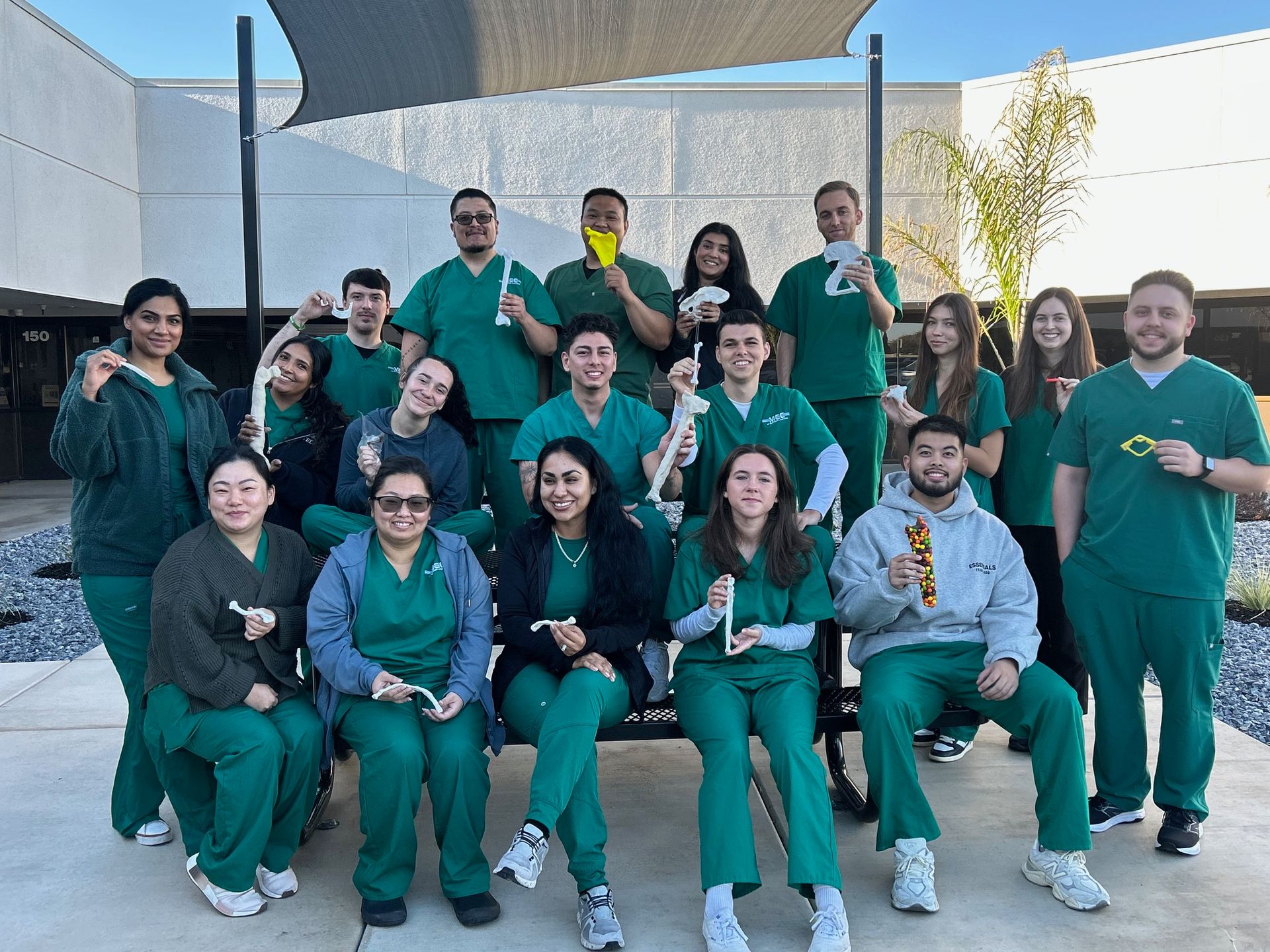
MCCNC radiologic technology students on campus
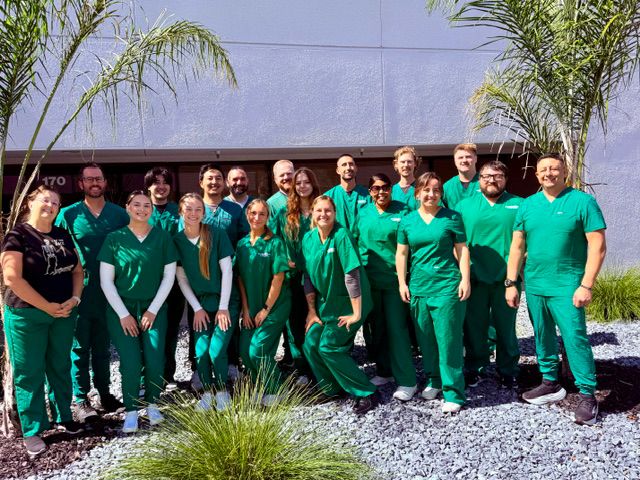
MCCNC students outside the Roseville campus
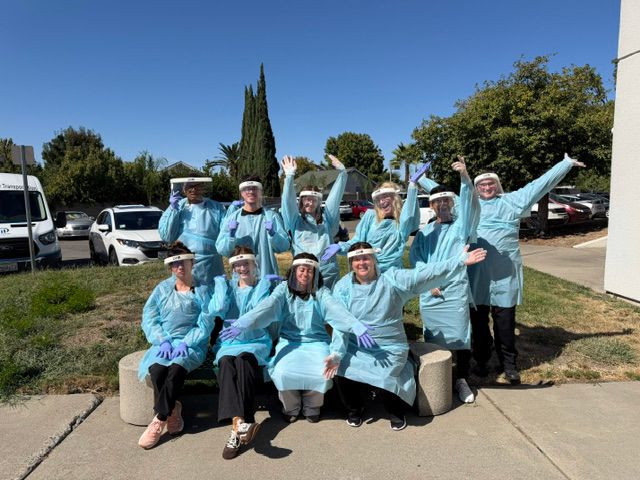
MCCNC students in protective gowns
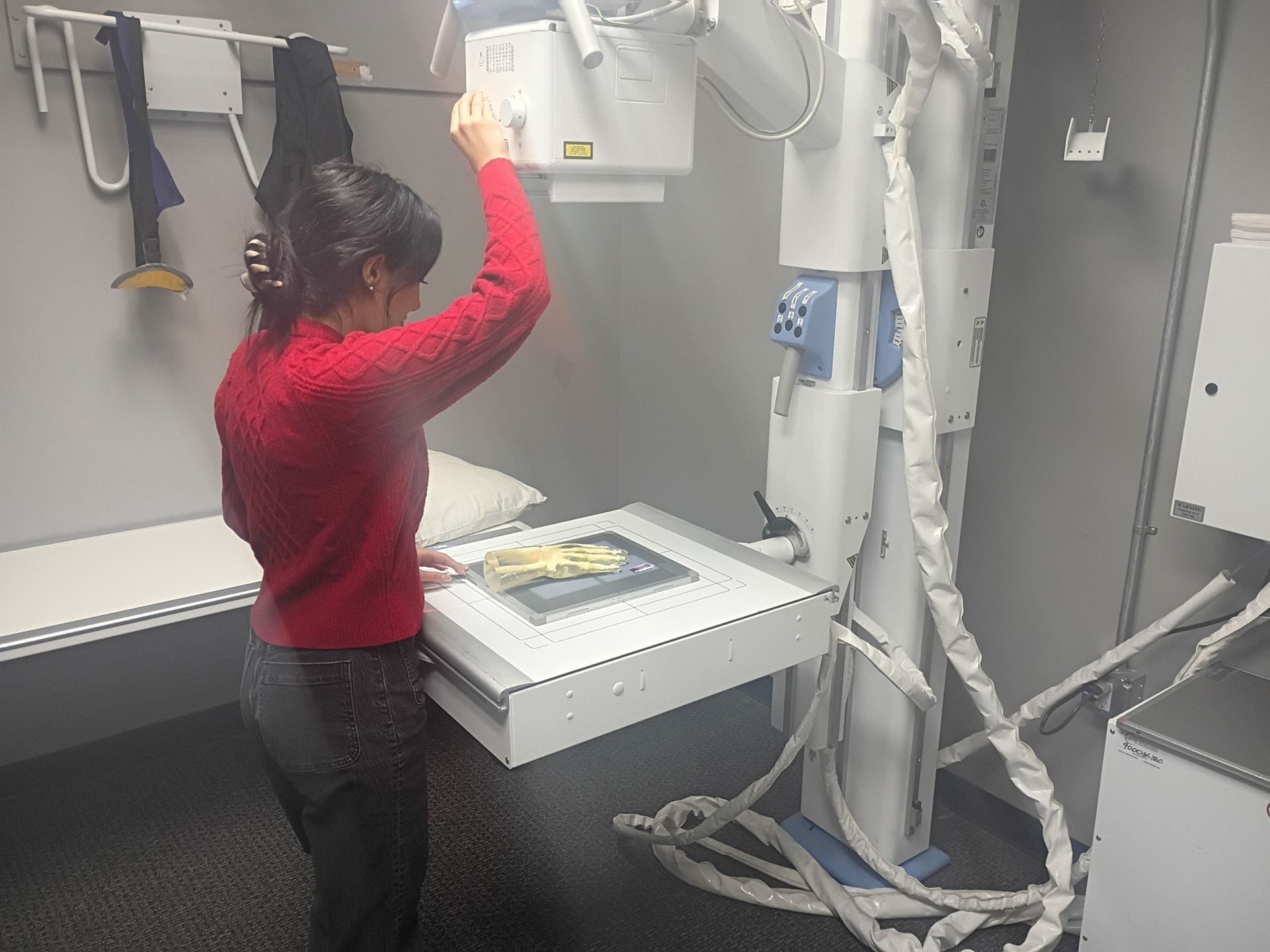
Student working in the MCCNC x-ray lab
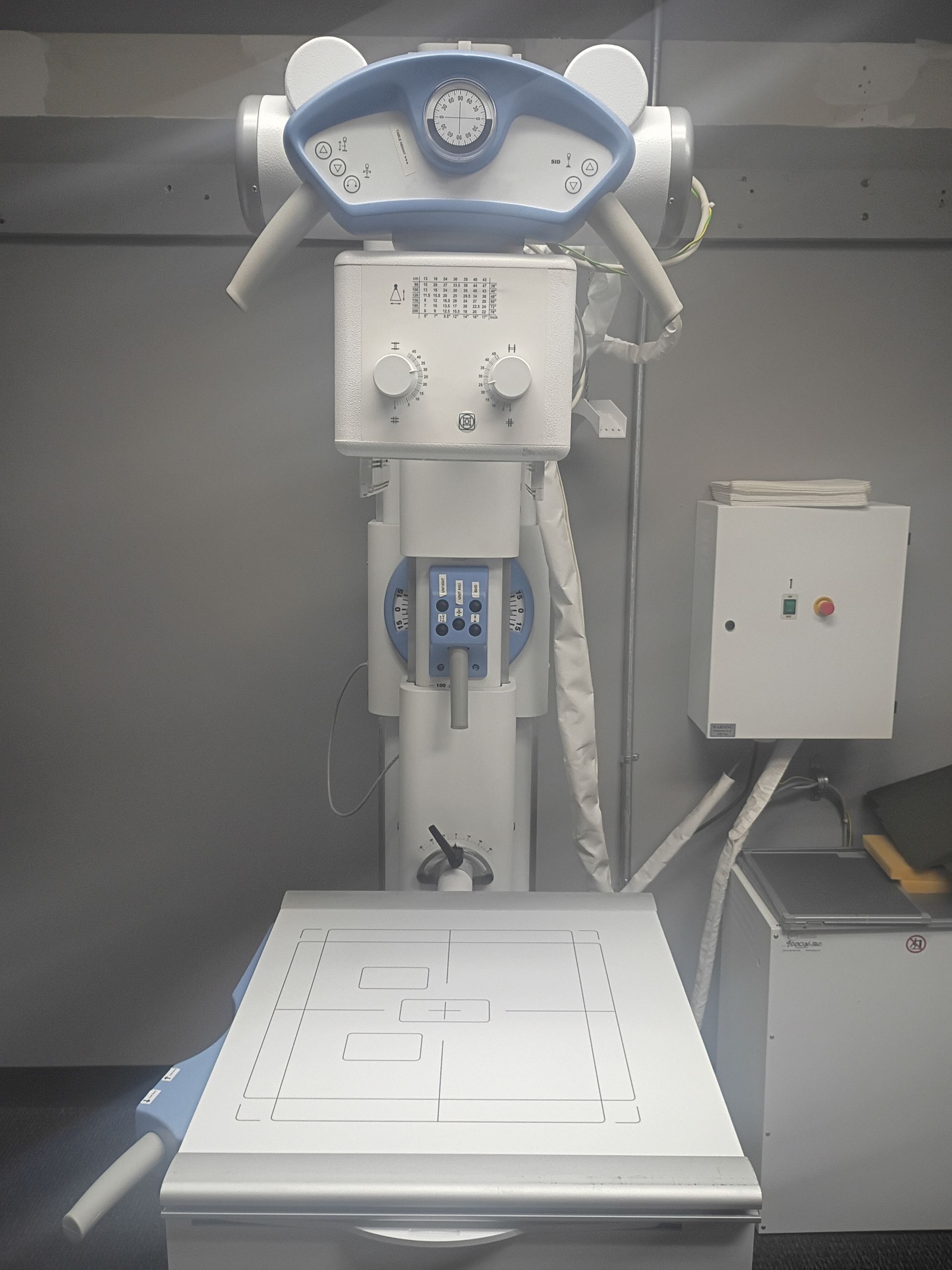
X-ray unit in the MCCNC x-ray laboratory
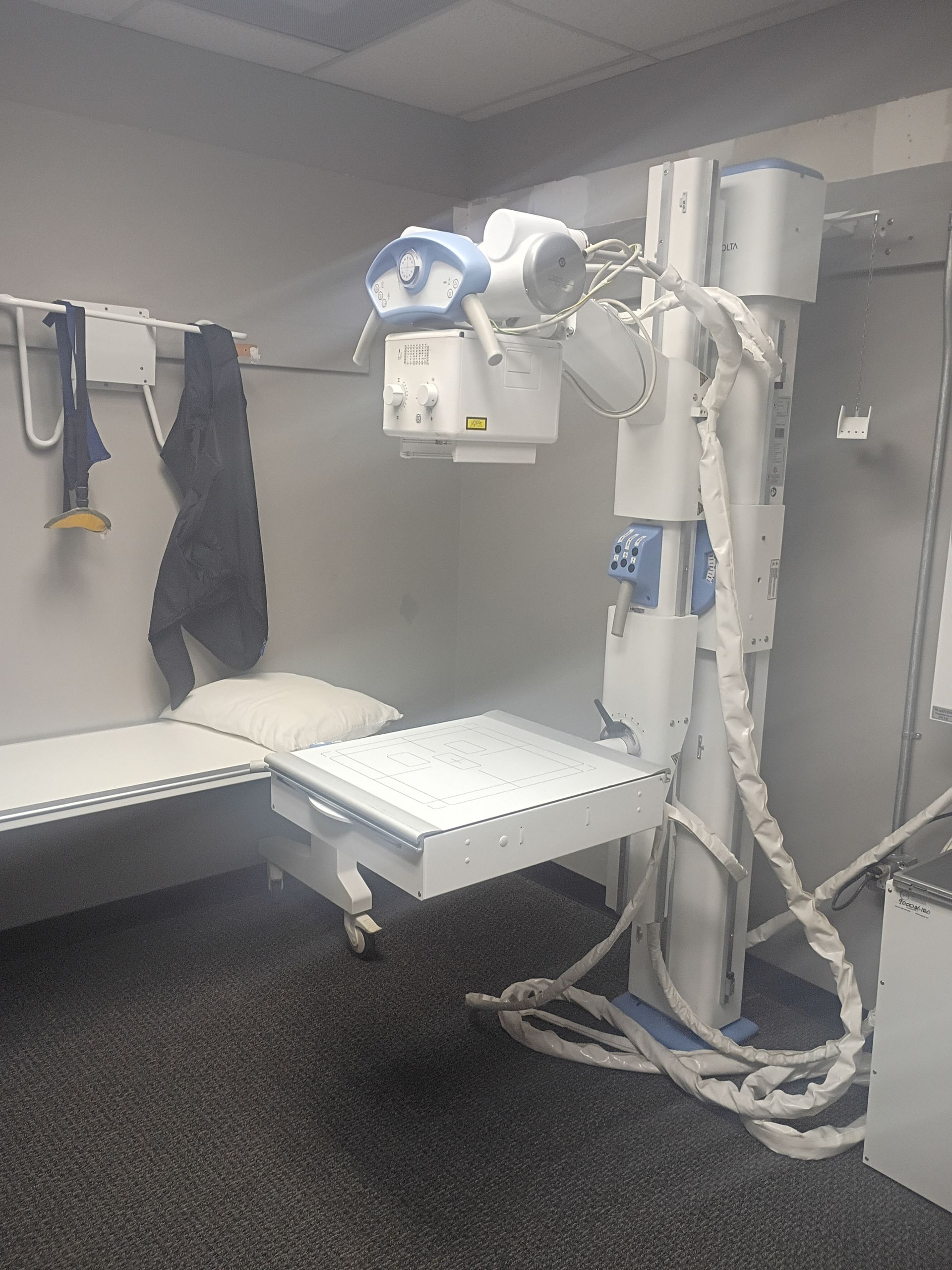
MCCNC x-ray laboratory
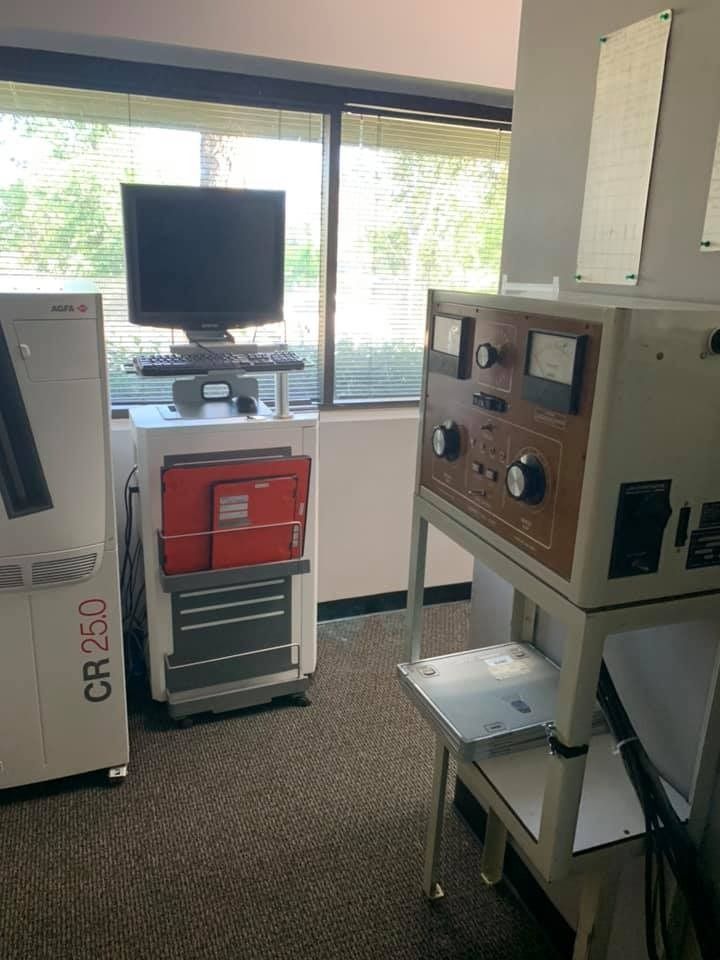
Digital imaging equipment in the MCCNC x-ray lab
X-ray table room at MCCNC
Student practicing in the MCCNC x-ray lab
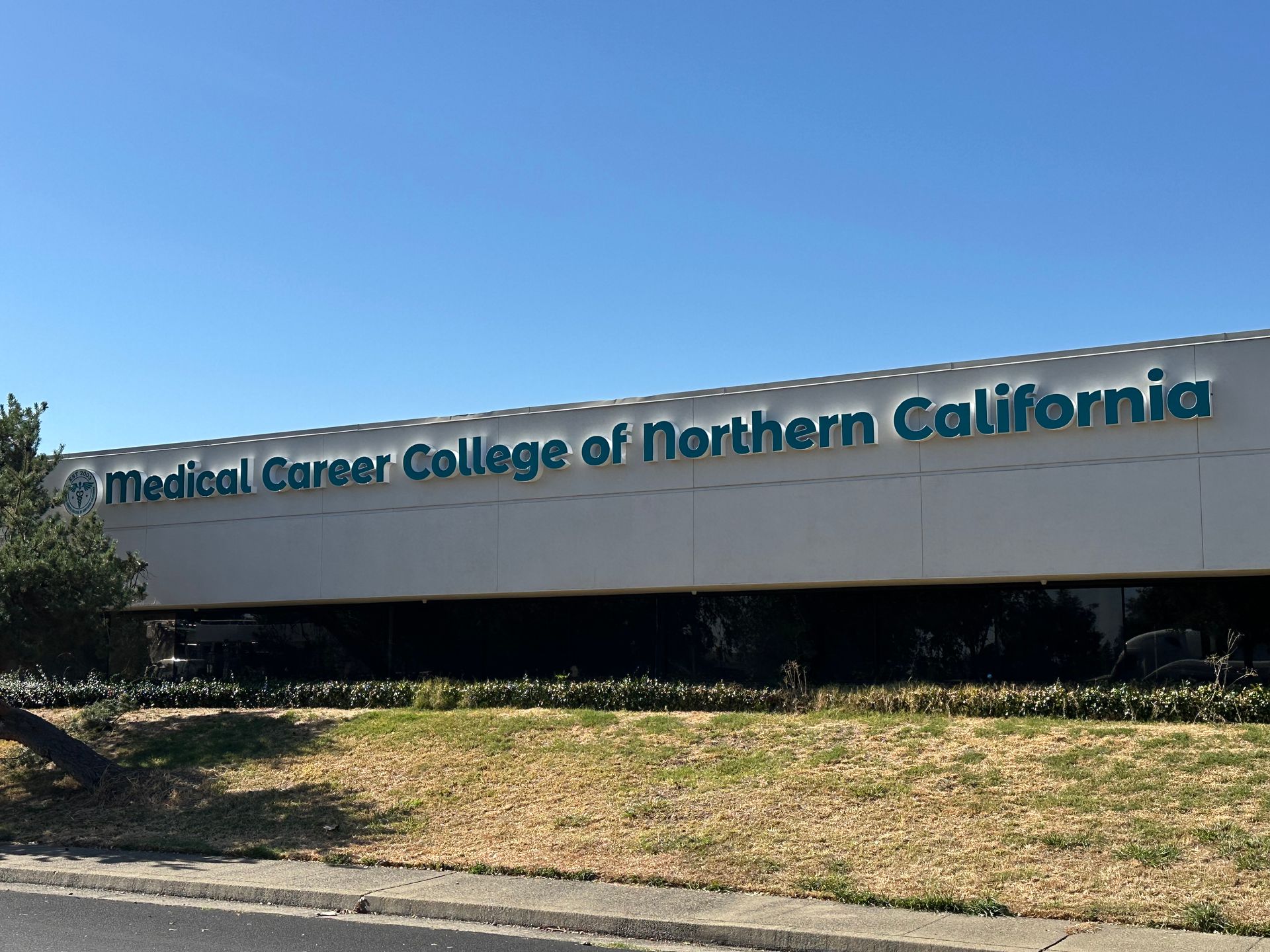
Medical Career College of Northern California building on Melody Lane, Roseville
MCCNC lecture classroom

Videos

Frequently Asked Questions

Do you accept financial aid?
Financial aid is available for our Medical Assisting with Limited Permit X-ray Technician, Limited Permit X-ray Technician, and Medical Assistant programs. The Phlebotomy program, being a short-term course, is not eligible for financial aid. We have partnerships with the Veteran's Administration, Employment Development Department, and Department of Rehabilitation. For private pay students, we offer flexible payment plans.
Can I transfer old credits from my previous studies?
Our institution has a policy in place to evaluate and consider credits earned at other institutions, as well as relevant experiential training. Each case is reviewed individually to determine transferability.
Can I transfer my credits to other schools?
While we cannot guarantee the transfer of credits earned at our institution, the acceptance of credits is always at the discretion of the receiving school. We recommend contacting potential future institutions directly to inquire about their credit transfer policies.
Can I work in a hospital?
MA/LPXT and LPXT graduates, once licensed, can work in hospitals but primarily find employment in outpatient settings. Phlebotomy Technicians have broader opportunities and can work in various healthcare environments including clinics, hospitals, and laboratories.
What does it take to become a fully licensed X-ray Technologist?
To become a licensed X-ray Technologist (Radiologic Technologist) in California, you must complete an ARRT-approved radiologic technology program, pass the ARRT Radiography Exam, apply for a California Certified Radiologic Technologist license, and maintain it with 24 hours of continuing education every two years. LPXT graduates can enroll in a bridge program, which considers MCCNC training as the first year of a two-year program.
Where else can the education that I receive at MCCNC take me?
Graduates of our MA/LPXT or LPXT programs have a solid foundation for career advancement. Opportunities in imaging careers such as MRI, DEXA, and Ultrasound become accessible. Further education to become a fully licensed X-ray Technologist can lead to careers in CT and Interventional Radiography. Phlebotomy graduates may pursue careers as Medical Laboratory Technicians.
Does my license and certifications work in other states?
Regulations for Limited X-ray Technicians vary by state. It's essential to check the requirements of the state you wish to work in. Medical Assisting and Phlebotomy certifications are recognized nationwide and generally transferable across state lines. For specific state regulations, refer to the American Society of Radiologic Technologists website.

Other Programs at Roseville

Medical Career College of Northern California in Roseville, CA also offers these 6 programs at 1220 Melody Lane, Suite 140, Roseville, CA 95678.

Medical Career College of Northern California

Limited Permit X-ray Technician (Transfer)

Certificate

On-CampusFinancial Aid
Roseville
Roseville, CA
Next start
Rolling enrollment
Duration
—
App fee
$225
Tuition
$20,949 for the Program
Medical Career College of Northern California

Medical Assisting

Certificate Of Completion

On-CampusFinancial Aid
Roseville
Roseville, CA
Next start
Rolling enrollment
Duration
39 Weeks
628 clock hours / 30 semester credits
App fee
$225
Tuition
$14,763 for the Program
Medical Career College of Northern California

Medical Assisting

Certificate Of Completion

HybridFinancial Aid
Roseville
Roseville, CA
Next start
Rolling enrollment
Duration
39 Weeks
628 clock hours / 30 semester credits
App fee
$225
Tuition
$14,763 for the Program
Medical Career College of Northern California

Medical Assisting with Limited Permit X-ray Technician

Certificate Of Completion

On-CampusFinancial Aid
Roseville
Roseville, CA
Next start
Mar 8, 2027
Duration
60 Weeks
1,340 clock hours / 88.3 quarter credits
App fee
$225
Tuition
$23,850 for the Program
Medical Career College of Northern California

Medical Assisting with Limited Permit X-ray Technician

Certificate Of Completion

HybridFinancial Aid
Roseville
Roseville, CA
Next start
Mar 8, 2027
Duration
60 Weeks
1,340 clock hours / 88.3 quarter credits
App fee
$225
Tuition
$23,850 for the Program
Medical Career College of Northern California

Radiologic Technology

Associate Degree

On-CampusFinancial Aid
Roseville
Roseville, CA
Next start
Rolling enrollment
Duration
96 Weeks
3,092 hours / 178 quarter credits
App fee
$225
Tuition
$62,263 for the Program
Ready to get started?
Request information about Radiologic Technology at Roseville.
Radiologic Technology