Motion Picture Institute

Motion Picture Production

Troy Campus
Troy, MI
Certificate · Hybrid
Motion Picture Production
Accredited by the Accrediting Commission of Career Schools and Colleges (ACCSC) and licensed by the Michigan Department of Labor and Economic Opportunity.
Hybrid: hands-on classes on campus in Troy, MI, with some lecture-based class days held live online via Zoom; no class is entirely online.
Tuition is $17,350; with the $150 registration fee the total is $17,500, plus an estimated computer, software and hard drive cost.
This program takes about 46 weeks to complete. It totals 61.5 quarter credit hours over four phases (three 12-week and one 10-week).
A $150 non-refundable registration fee is charged when you enroll.
Federal financial aid (Pell Grants and Direct Loans) is available to those who qualify; FAFSA school code 042938. VA benefits accepted.

Motion Picture Production is a Certificate program (Hybrid) offered by Motion Picture Institute in Troy, MI. The program takes 46 weeks to complete, with a total tuition of $17,350.

Program Overview

The film industry is vast, ever growing and encompasses a multitude of evolving skill sets. The Hollywood industry requires specialists from screenwriters, directors, cinematographers, electricians, producers, artists, editors; the list goes on and on. Digital media allows for multi-disciplined experts rotating job duties with small tight crews. The Motion Picture Production Program gives students the practical knowledge and hands on experience required to enter and become competent film industry professionals in either scenario.

The consummate film professional knows the entire process from script to screen because it is this knowledge that enables them to control their vision. Therefore, our curriculum takes students through the entire filmmaking process from concept to exhibition while allowing them to specialize and focus on their main areas of interest. Students use current technology to shoot and edit numerous film projects throughout the school year to learn, demonstrate their competencies and reveal their talent. They use established industry methods and practices to work in a crew environment under the supervision of film industry veterans.

Students challenge their filmmaking knowledge and practice their craft through project-based assignments and lab work spanning the entire year. Each student will write and direct his/her own films. They will learn how to properly plan, schedule, budget, cast and design their films before shooting a frame. They edit, mix, grade and polish their final works for presentation and evaluation by their peers and MPI staff. Students are then given step-by-step tools in our Film Business and Film Career Preparation courses that guide them into the professional world.

Overview. The Motion Picture Production Program is a certificate program comprised of twenty-two filmmaking courses that consists of 61.5 quarter credit hours spanning forty-six weeks. Students are required to take every course and maintain satisfactory academic progress and maintain good attendance. Students can expect to spend additional time outside of class to be devoted to studies, homework and film productions.

On-line course delivery. The Motion Picture Production Program is delivered in a blended on-line and on-campus format. Some of our courses are delivered in a hybrid format meaning some class days are on-line while others are on campus (residential). The on-line component is conducted live or synchronously via Zoom that is accessed through the school’s Learning Management System. Some of these classes are recorded for repeated viewing to aid students in mastering a skill or concept.

Program objective. The Motion Picture Production Program trains students for entry into the motion picture, television and digital media industries with the essential skills to write commercial content, draft screenplays, produce, direct, shoot and edit story driven independent film projects. This program develops student aptitude in creative collaboration, critical thinking, problem solving, networking, listening and leadership.

Program completion. Students who successfully complete The Motion Picture Production Program receive a Certificate of Completion, an official transcript, and are eligible for graduate programming including job placement assistance. The program is classified under CIP Code 50.0602, Cinematography and Film/Video Production.

What sets this Program apart

Motion Picture Institute is a film school that prepares students for jobs and careers in the film, television, documentary and the digital media production industries. Our film school offers:

  • A nationally accredited, year-long filmmaking program immersing students in the entire script-to-screen process.
  • Hands-on opportunities for students to write, cast, and direct up to three film projects, utilizing professional equipment.
  • Access to a complete production facility with professional film equipment, including two soundstages, a scene shop, and more.
  • Experiential curriculum focusing on crucial filmmaking skills: directing, cinematography, lighting, sound, editing and more.
  • Employable and marketable production skills.
  • An annual casting call for local actors to audition for student projects, fostering community engagement.
  • A hybrid program blending on-campus practical training with comprehensive online instruction.
  • A faculty of industry professionals bringing years of experience and established methods to the classroom.
  • Showcase of student work at a local theater during an impressive graduation ceremony.
  • A robust networking environment connecting students with staff, faculty, peers, and successful graduates.
  • Career development classes catering to feature film, television, commercials, documentaries, and digital media.
  • A lifelong relationship with our career service department and the “gear for graduates” program, allowing alumni access to facilities and equipment for ongoing filmmaking practice.

For 25 years students from around the country and overseas have enrolled at Motion Picture Institute to receive some of the best film production training and education. All chose to complete their practical training in film at Motion Picture Institute because of our history, graduate successes, professional foundation, personalized attention, access to facilities and equipment, and real-world filmmaking experiences.

Admission Requirements and Process

Applicants seeking admission can apply anytime prior to the start of a program. Applicants are required to submit a completed application form; proof of a high school diploma, general education development (GED) certificate, or documentation that the applicant has completed homeschooling at a secondary level as defined by state law; a personal essay; two references; and attend an application interview (in person or virtual). Incomplete applications will not be considered until all materials are received.

Applicants must meet the admissions criteria and a complete application must be approved by the Admissions Committee. Students accepted into the program will receive a letter of acceptance and a student enrollment agreement. Students can expect notification from the MPI admissions office within 10 to 14 business days after receiving a completed application and all materials. High school seniors may submit their most recent transcripts and will receive a conditional letter of acceptance that requires them to submit a final official transcript with a graduation date in order to complete enrollment. Motion Picture Institute is not authorized to accept and enroll international students.

General Requirements

  • Completed application form
    You must submit a completed application form; applications can be submitted online at www.motionpicture.edu, and paper versions can be scanned and emailed, dropped off in person…
  • High school diploma or equivalent
    You must have earned a high school diploma or GED equivalent (or completed homeschooling at a secondary level), with official transcripts sent directly from the last school you…
  • Personal essay
    You must submit a personal essay of at least 250 words describing your passion and career goals for work in the film industry and how your course of study at the school will…
  • Two references
    You must provide the name, phone number, email address and relationship of two references who are not related to you, such as an employer, supervisor, creative colleague, teacher,…
  • Application interview
    All applicants must attend a personal application interview, in person or via Zoom, once the application, essay and references have been submitted and reviewed.
  • Age
    Motion Picture Institute only accepts students who are beyond the age of compulsory school attendance in the state of Michigan; applicants under 18 must have a parent or guardian…
  • Computer and technology check
    You must have a computer that can edit video and attend on-line courses, and pass a tech check during orientation or prior to the start of classes.

Application Process

  1. 1
    Submit the application
    Complete the Motion Picture Production Program application; applicants can apply any time prior to the start of a program.
  2. 2
    Submit a personal essay
    Tell us why you are passionate about filmmaking, your long-term career goals in film and why you are a good candidate for MPI; send it to admissions@motionpicture.edu.
  3. 3
    Submit two references
    Provide contact information for two references who are not related to you and can speak about the qualities that will make you a successful MPI student and filmmaker.
  4. 4
    Send your most recent transcript
    Have your high school send an official transcript (or a copy of your GED) by mail, email, Parchment or National Student Clearinghouse; seniors send a final transcript after graduation.
  5. 5
    Interview in person or via Zoom
    Applicants who have submitted all items and been reviewed and approved are asked to participate in an application interview to evaluate their readiness to complete the program.
  6. 6
    Apply for financial aid
    Complete the FAFSA using Motion Picture Institute's school code 042938; the Financial Aid Office will contact you to review your eligibility.
    FAFSA Code for Troy Campus: 042938
  7. 7
    Sign the enrollment agreement
    Accepted students secure their seat by signing the Student Enrollment Agreement and paying the $150 registration fee and $350 commitment deposit (applied to tuition).

Program Schedule

The Motion Picture Production Program is divided into four phases. Phase one, two and three are twelve weeks each; phase four is ten weeks. Classes meet four days a week (Monday through Thursday), four hours per day, for 16 hours per week. Students select one session to attend throughout the year: Morning, 9:00 am to 1:00 pm, or Evening, 6:30 pm to 10:30 pm. On occasion a class will be scheduled for a Saturday, such as DIR 214 for casting calls or make-up days due to inclement weather.

Upcoming start dates. April 5, 2027 (morning class, 9:00 AM to 1:00 PM) and September 27, 2027 (morning class, 9:00 AM to 1:00 PM, or evening class, 6:30 PM to 10:30 PM). Orientation, usually one week before class start, is mandatory for all incoming students.

Seating for each session is limited to 26 students. MPI will continue to accept students who meet the highest qualifications until the program has filled to capacity and will establish a wait-list should any spaces open up before classes begin. Students may not switch sessions without approval from the Director of Education. Class times and days are subject to change with one-week notification, and session times are subject to enrollment minimums.

New cohorts start regularly throughout the year. Our start dates are as follows:
  • April 05th, 2027
  • September 27th, 2027

Cost of Attendance and Financial Aid Information

Cost and Financial Aid Information is an estimate for general reference only. It is not an offer or guarantee of financial aid or of any price, and what a School charges you may differ.
Total Program Tuition
≈ $17,350
Total Program Cost
≈ $17,500
FAFSA Code
Net Price Calculator

Tuition and fees. The Motion Picture Production Program tuition is $17,350.00 and the registration fee is $150.00, for a total of $17,500.00 (current catalog). Tuition includes all courses, use of school equipment and stage facilities. Courses at Motion Picture Institute are not offered separately. Applicants accepted into the program pay a $350 refundable commitment deposit to complete their enrollment; the deposit is deducted from the overall tuition.

Books and supplies. Students need a computer that can edit video and attend on-line courses (approximate cost $1,200 if a student needs to purchase one), software licenses for Davinci Resolve with Fairlight and Fusion (approximately $300; the free version can be used for course work), EP Scheduling (approximately $185) and Final Draft (approximately $130), and a 2TB portable hard drive (approximately $125). Recommended textbooks can be checked out from the Learning Resource Center at no charge. Students may also incur film project expenses (travel, food, props, set dressings) that depend on each script; MPI makes no estimate of these costs.

Gainful employment disclosure. This program will cost $19,439.00 (includes books and supplies) if completed within the normal time (2024-25 March start). There may be additional costs for living expenses. Applicants can use MPI’s Net Price Calculator to estimate the cost of attendance for off campus room/board, transportation and personal expenses.

Federal financial aid. Motion Picture Institute participates in Title IV Federal Student Aid programs, including Federal Pell Grants, Direct Subsidized and Unsubsidized Loans and Parent PLUS Loans. Complete the FAFSA and use school code 042938. The program is considered a part time program by the Department of Education (676 clock hours), and is 33 quarter credit hours when used to factor financial aid. All financial aid paperwork must be submitted to the Financial Aid Department prior to orientation.

Payment plans and private loans. MPI offers interest free tuition payment plans, which can serve as gap financing for Federal Student Aid or VA Benefits; plans are 12 months or less, require the commitment deposit, and applicants with poor or no credit history need a cosigner. Private education loans are also an option after federal aid.

Military and veterans. MPI accepts GI Bill® and VRRAP funding and payment from the VA for students who qualify. Students with Post-9/11 GI Bill® (chapter 33) benefits must turn in a Certificate of Eligibility.

Scholarships and other funding. MPI offers merit scholarships to graduating high school seniors selected from the Best of Show recipients at the Michigan Student Film Festival (25% off annual tuition). Students may also qualify for Michigan Rehabilitation Services, United Auto Workers, Michigan Works! and Michigan Education Trust (MET) funding.

Payments. MPI accepts checks, money orders, cashier’s checks, direct deposit and credit cards (Visa, Mastercard, Amex, Discover, PayPal), subject to a 2.9% credit card and 3.4% PayPal transaction fee; MPI does not accept cash. Returned checks are subject to a $35.00 fee, and overdue tuition installments incur a late fee of 1.5% per month.

Required Courses

Subject #NameCredits
BCS 100Basic Camera and Sound1.5
SCN 112Intro to Screenwriting2.5
DIR 114Film Directing5.5
CIN 116Cinematography1.5
PRL 118Production Lab2.5
EDL 120Film Editing2.5
PRM 122Preproduction1.5
SCN 212Advanced Screenwriting2.5
DIR 214Directing Actors7.5
CIN 216Advanced Cinematography1.5
PRL 218Lighting for Film3
PRL 219Motion Picture Sound1.5
EDL 220Advanced Film Editing2
PRL 316Camera Department3
PRL 318Film Art and Design2.5
PRL 319Commercial Media Production3
PRL 350Thesis Project4
SCN 312Feature and TV Screenwriting1.5
DIR 314Independent Filmmaking7
EDL 320Intro to Visual Effects2
FCP 400Film Career Preparation1.5
FCP 410Film Business1.5

Career Outcomes

This training and experience qualify school graduates for entry level job positions on large scale studio productions and television shows as production assistants to working as directors, cinematographers, camera operators & assistants, grips, lighting technicians, field audio recordists, script supervisors, location assistants, production coordinators, assistant directors, editors, digital media videographers, social media specialists and a variety of other positions on smaller indie feature, documentary, music video, and client based commercial projects.

Program outcomes. For the 2 Motion Picture Production classes that started between October 2021 and September 2022, as of October 2024 (as reported to ACCSC in the Annual Report for 2024): 55 students started and were available for graduation and 52 completed, a completion rate of 95%; of 44 graduates available for placement, 31 were working in the field, an employment rate of 70%.

Career services. Motion Picture Institute offers job placement assistance to all graduates, including preparation of demos, resumes and interviewing skills, a private on-line job board for graduates, alumni networking functions, continuing education workshops and post graduate access to school equipment. Licensure or certification is not required to work in the motion picture industry. While MPI makes reasonable efforts to assist each graduate in seeking employment, this in no way promises or guarantees employment or level of income.

What to expect as a Motion Picture Institute student

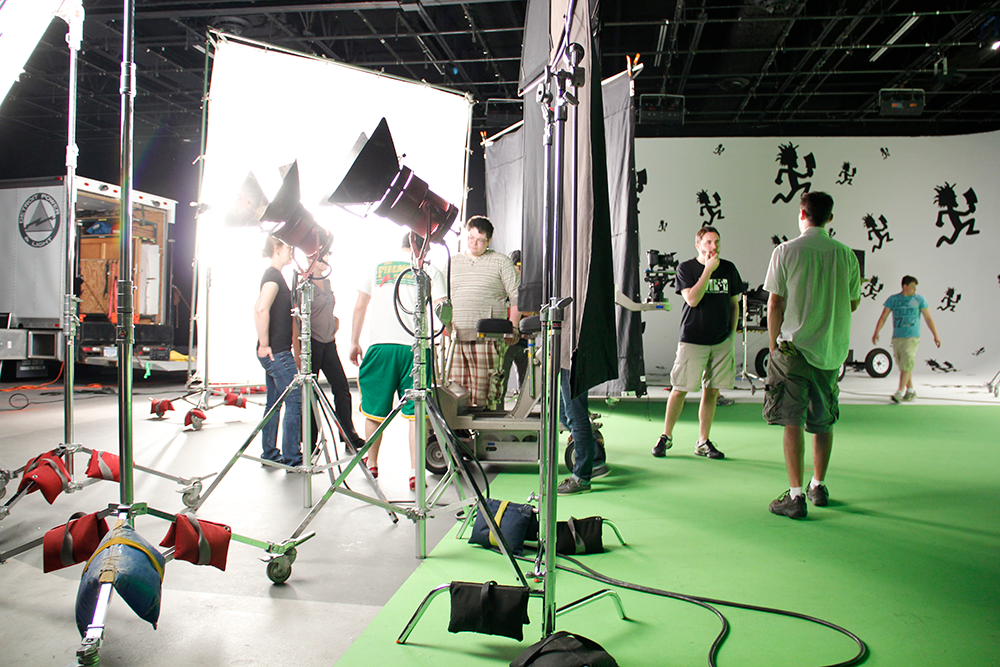
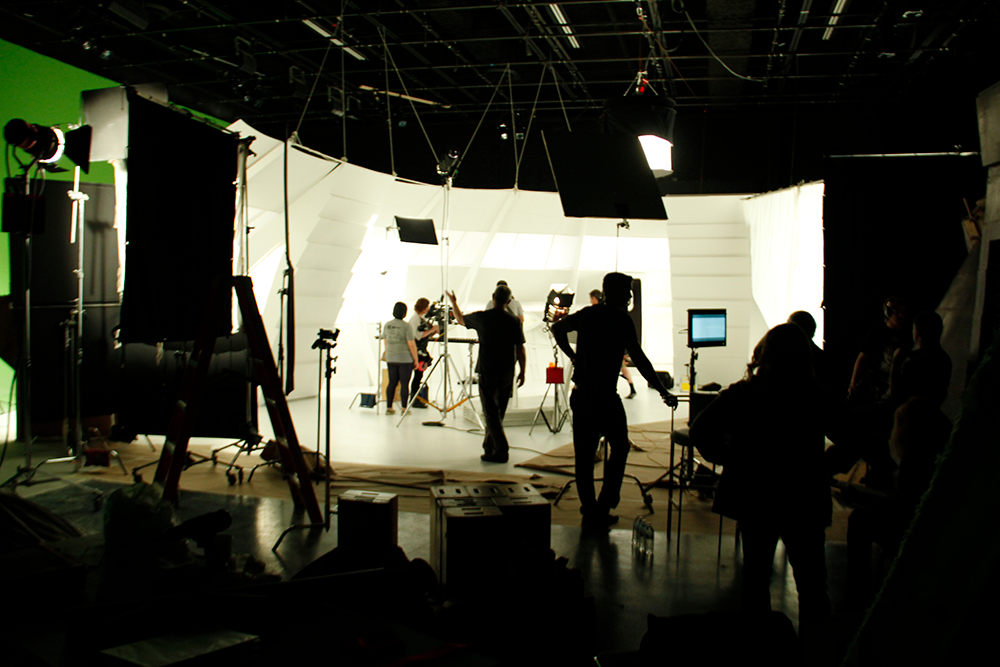
Facilities. The school campus operates inside a former commercial production facility that features a 6,000 sq ft soundstage with an 18’ high “L” shaped cyc wall, a 1,440 sq ft insert stage, a 3,000 sq ft scene shop, equipment bays, learning resource center, screening room, post audio suite, conference room (the War Room), cafe and kitchenette.

Equipment and open labs. MPI students are given free access to film, lighting, sound and editing equipment to produce their student film projects, including RED and Canon digital cinema cameras, 16mm and 35mm Arri film cameras, Zoom and Sound Devices field audio kits, Arri, Kino Flo and Mole lighting and a full grip and electric package. Students are free to use the conference rooms, scene shop, audio mix room and sound stage while enrolled.

Networking activities and open auditions. The school conducts several networking activities, typically on a Saturday, to foster team building, crewing and casting opportunities for student films, and at least once a year conducts an open casting call to local actors for these same projects.

MPI Student Film Festival. Each year MPI conducts two student film festivals showcasing a selection of student film projects produced throughout the year, in an actual movie theater before a public audience, with awards for Best Picture, Best Direction, Best Screenplay short, Best Cinematography, Best Art Direction, Best Editing and Best Feature Length Screenplay.

Campus Address

Troy Campus
2040 Crooks Rd.
Ste. B
Troy, MI 48084

Why Accreditation Is Important

Motion Picture Institute is nationally accredited by the Accrediting Commission of Career Schools and Colleges (ACCSC). MPI is licensed by the Michigan Department of Labor and Economic Opportunity (Certificate No. P333103) and is authorized by the Michigan State Approving Agency and the Department of Veterans Affairs for Veterans Education Benefits and the GI Bill®.

  • A reliable indicator of quality
  • Approved program of study
  • Qualified instructors
  • Recognition by employers nationwide

Accreditations

Accrediting Commission of Career Schools and Colleges (ACCSC)

Curriculum

The Motion Picture Production Program consists of twenty-two filmmaking courses totaling 61.5 quarter credit hours over forty-six weeks, taken in sequence across four phases. Several courses use a blended model, with some class days on-line via the school’s Learning Management System and other days on campus; hands-on classes such as Production Lab, Lighting for Film and Film Art and Design do not have online days. The program totals 676 clock hours.

Required Courses

Subject #NameTotalCredits

Images

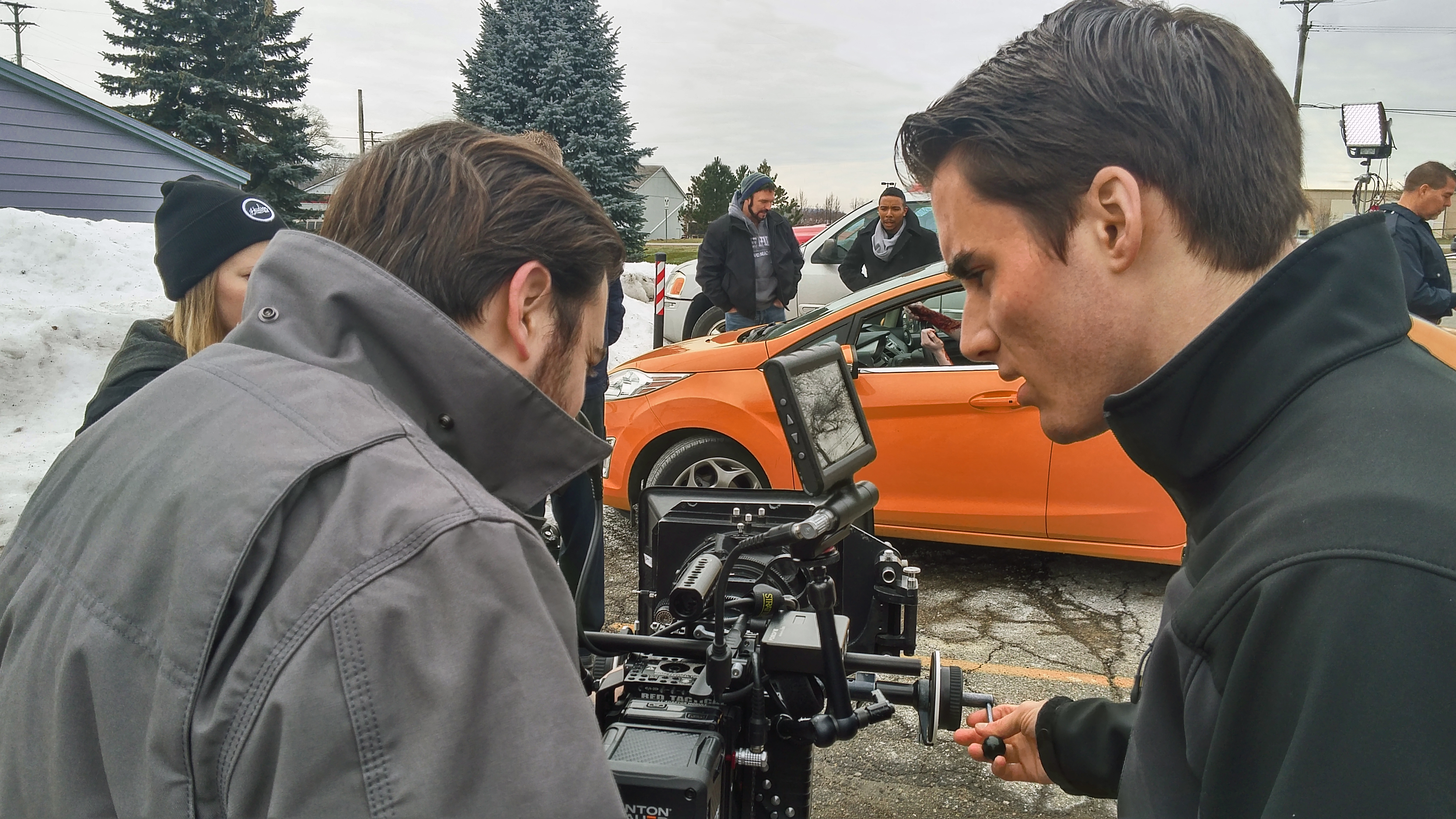
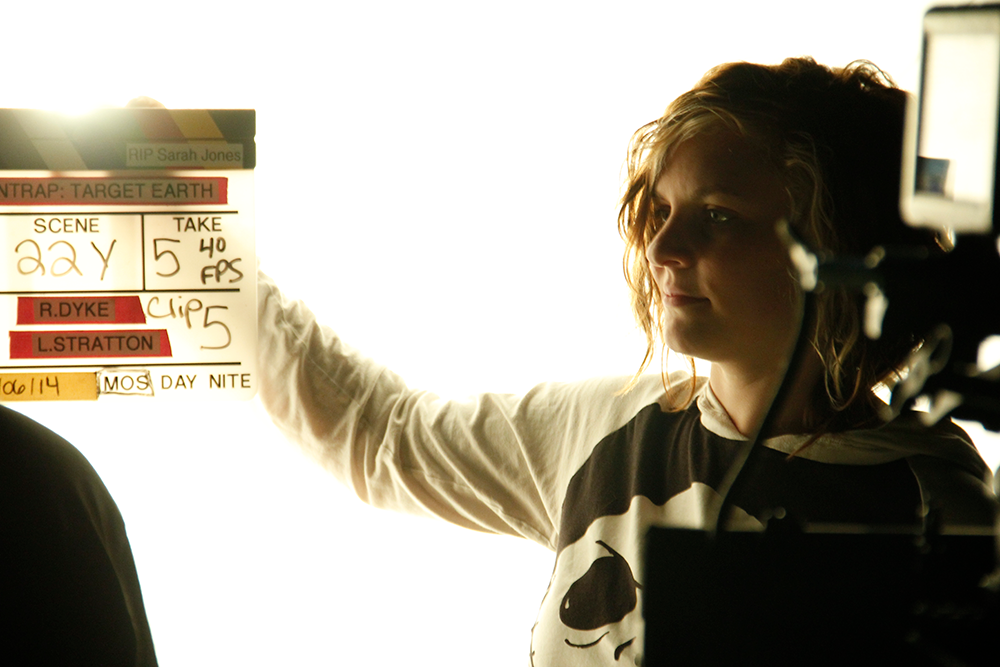
MPI students filming a car-side scene with a cinema camera rig
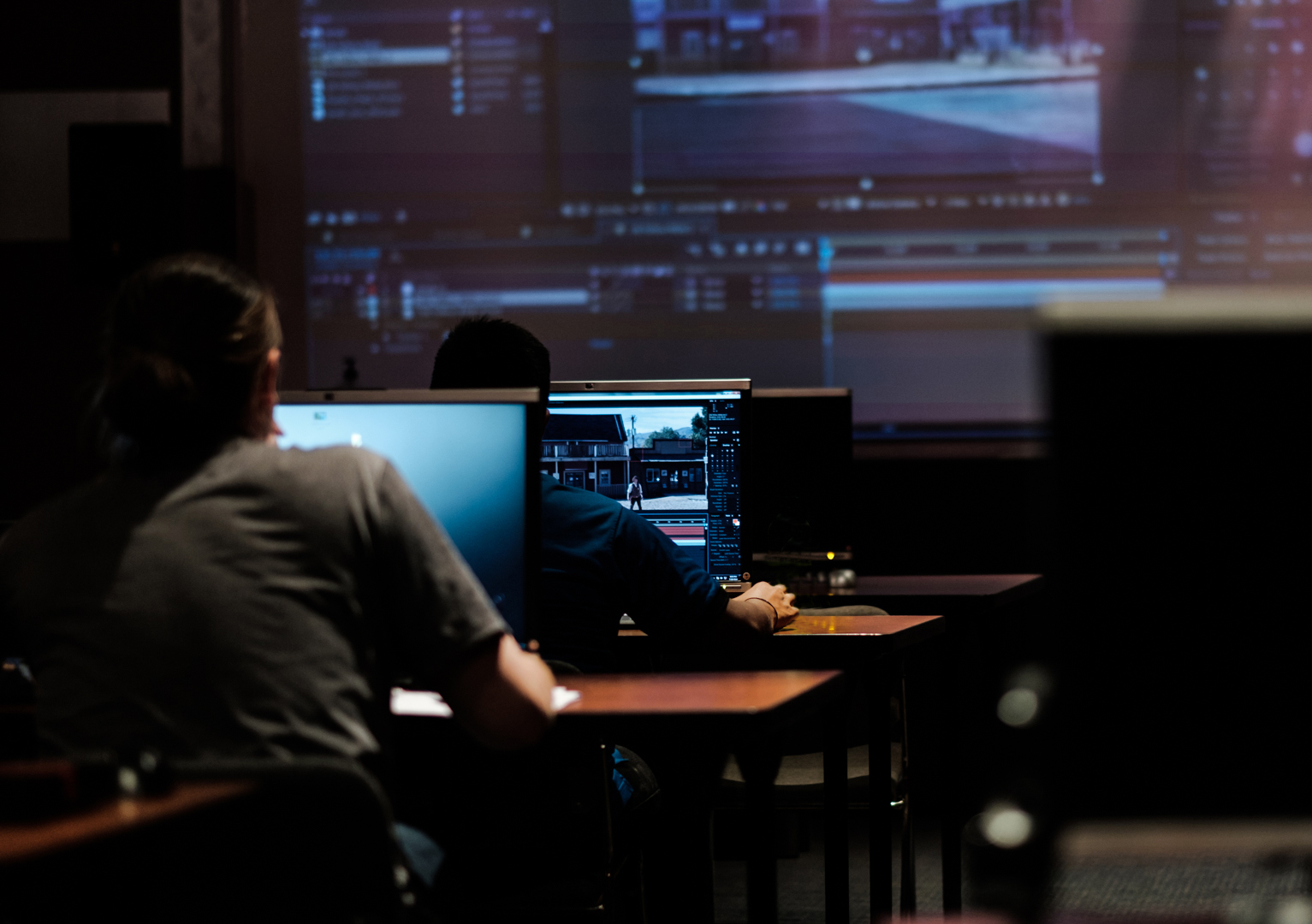
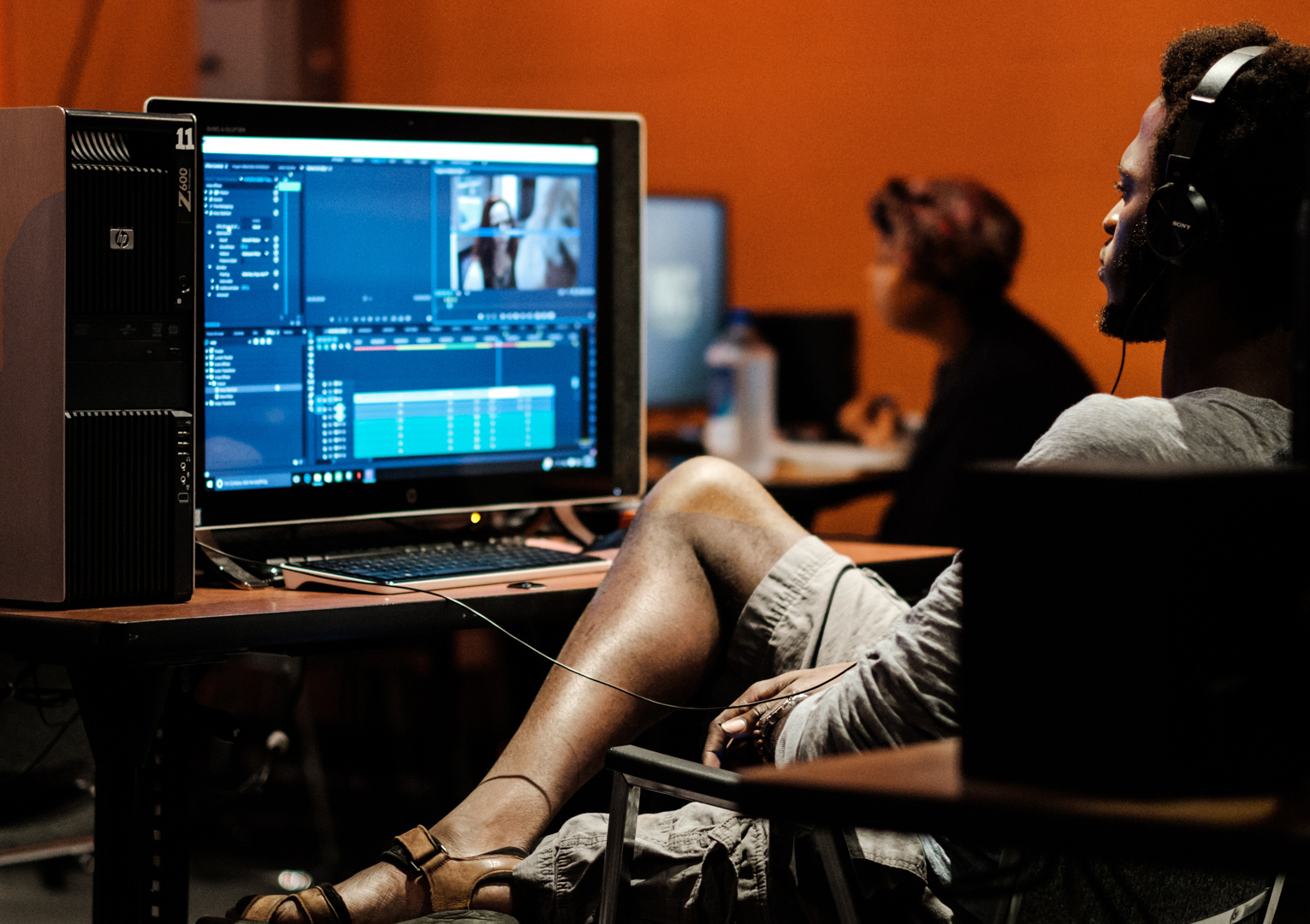
MPI students editing film projects at computer workstations
MPI student editing a project on a workstation
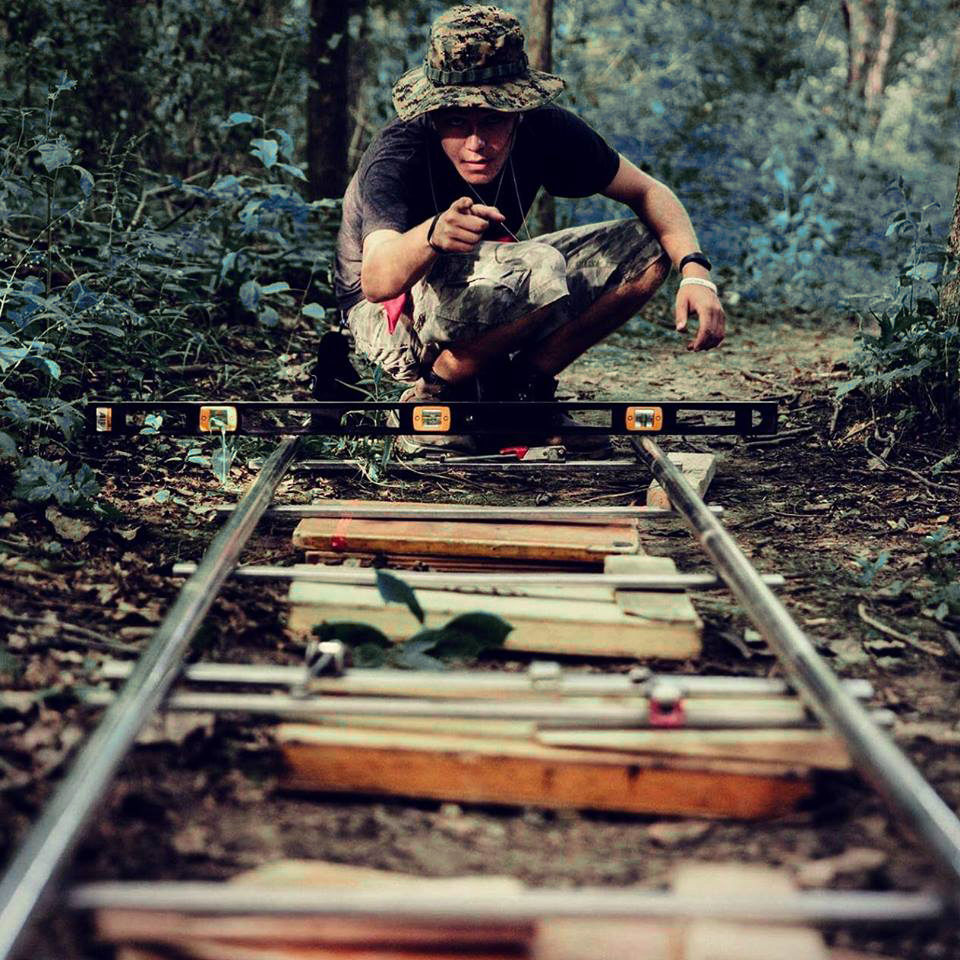
MPI student working as dolly grip on location dolly track
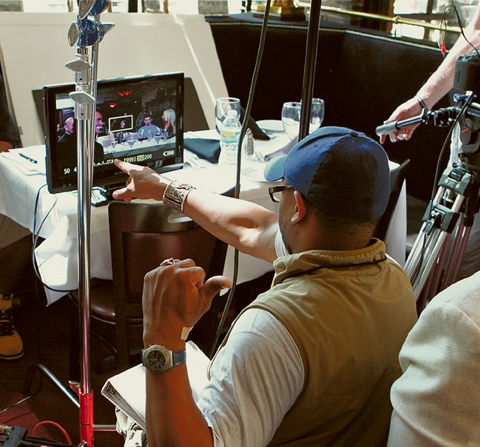
MPI student directing on set with a field monitor
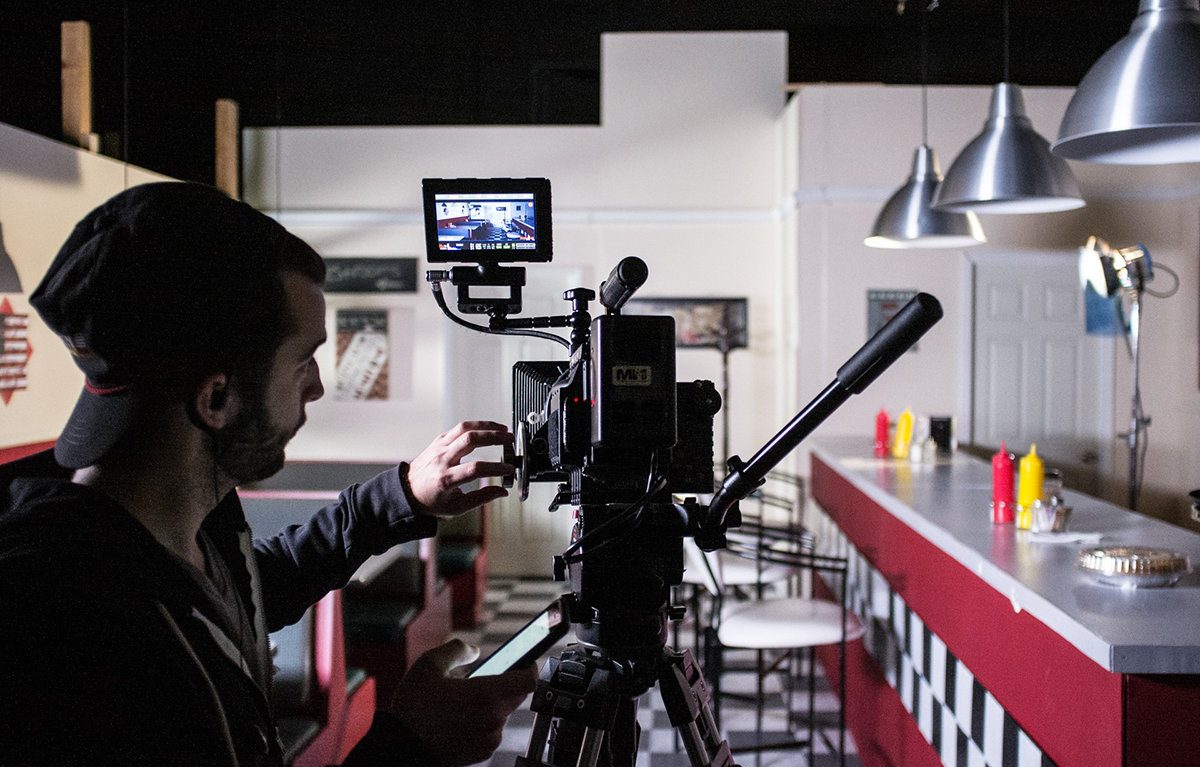
MPI students operating camera on a diner set
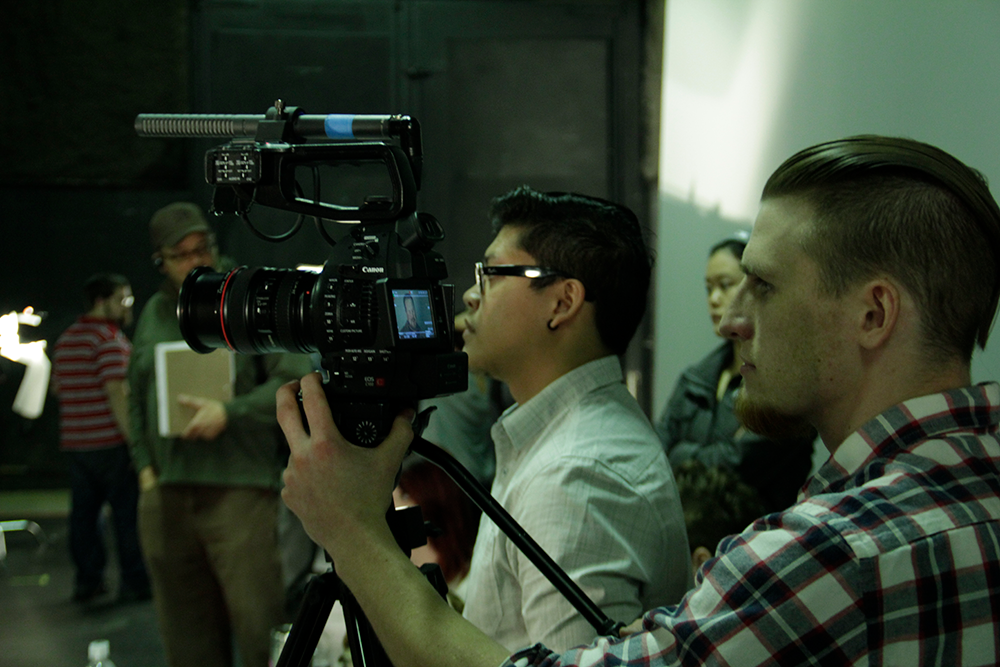
MPI students filming on set with a cinema camera
MPI soundstage with green screen and lighting
MPI soundstage set with camera dolly and green screen
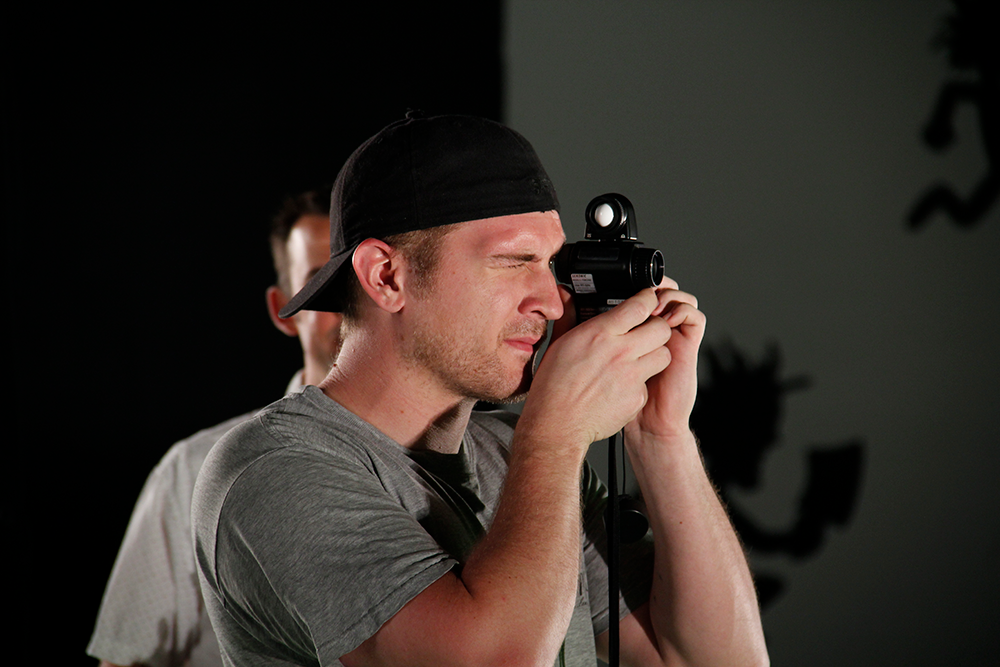
MPI students framing a shot with a cinema camera
Green screen cyc wall on the MPI soundstage
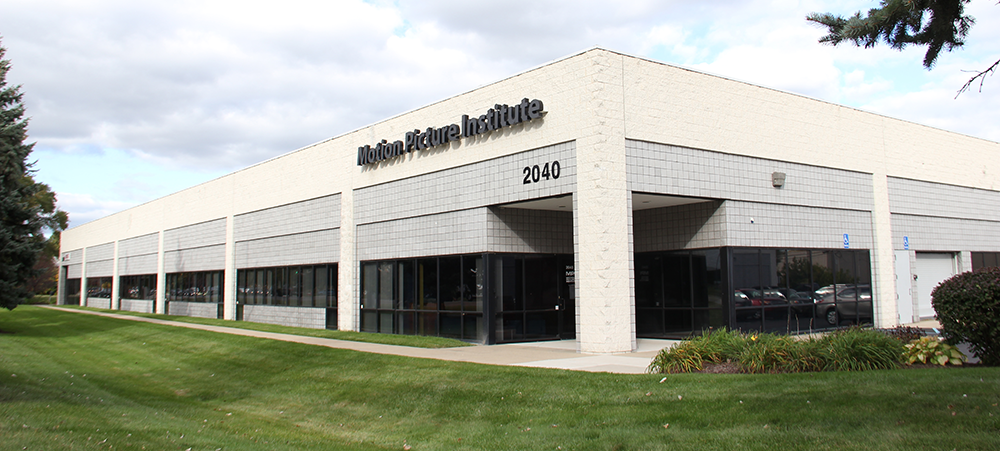
Motion Picture Institute building on Crooks Road in Troy, Michigan

Videos

Frequently Asked Questions

What is the schedule like?
Students attend classes on average four days a week (Mon-Thurs). Students are in class on average four hours per day for about sixteen hours per week. Students select one of two cohorts to attend, either day 9 am to 1 pm or evening 6:30 to 10:30 pm. The school year is made up of three 12-week phases (akin to semester) and one 10-week phase.
What is the workload outside of class time?
Students spend much of their time either writing screenplays, planning their productions, directing their films, editing their films and volunteering to work on classmates’ films. The amount of time varies depending on how long the script is and how many films the student volunteers to work on. A typical production day is eight to twelve hours. A typical short film is one to three days to shoot. Editing a short five-minute film can take five to seven days to edit (figuring an eight-hour day). There are times in each phase where there is a period where all the films go into production. This usually lasts about four weeks and is where the student can expect to spend most of their outside time during the phase.
Are there make up classes?
No. Students who miss class cannot make up the missed class. We do have a Hyflex option for some classes which enables a student to attend an on-campus class online. However, this is only available in extreme medical or personal circumstances approved by the instructor.
How many classes can I miss?
Two excused absences are allowed per class. A third results in a lowering of a full letter grade for the class. A fourth absence may result in failure of the course.
When is the next program start date?
Monday, September 23, 2024. The program offers two starts per year, one in September and another in March.
Can I use my own gear?
You can, but only for individual assignments that personal gear is approved to be used on. Students will be trained on school equipment that is required to be used for lab assignments. If you use your own gear on your films, the school makes no guarantee it can troubleshoot any issues that arise.
Do you have payment plans?
Yes, for students who qualify. Students must fill out a credit application that is submitted to the business office for review. Payment plans with 12-month terms are 0% APR. Plans that are approved for longer than 12 months are subject to interest rates and may require a co-signer.
Are there scholarships?
Yes, see our scholarship page. We offer both competitive and need-based scholarships.
How much is tuition?
Tuition for the 2024-25 school year is $17,350.00, plus a $150.00 registration fee.
Do I need to buy any equipment?
Maybe. If you do not have a computer that is capable of editing video, you must obtain or purchase one that can. You must also purchase a portable hard drive. Outside of that the school provides all the other equipment to make your films. For a complete description of equipment needed, click here.
Do I need to have a computer?
Yes, (see question 10).
Do I need to buy textbooks?
No. The school offers a list of recommended textbooks. However, the school does have a multitude of copies of these textbooks that students may check out. But students may buy their own copies from a third-party online store such as Amazon or Barnes & Noble.
Do you have housing?
No. We do not offer housing. However, there are numerous apartments and potential housing within walking distance of the school. Contact our admissions office for a list of resources.
Can I make any kind of film?
Each film project goes through a greenlight process by the instructional staff which is an approval process. While we do not censor content, we do review scripts for anything that could be dangerous, such as stunts or special effects or compromising such as nudity or anything that might be considered pornographic.
Who owns my films after I’m done with them?
Students own their films. Motion Picture Institute does reserve the right to share the student work on the school website, YouTube channel or other social media platform. However, the school does work with each student to ensure that a shared film does not interfere with possible film festival submission and screenings.
How many films can I make?
Each student must direct at least two short films with the option to make a third short film as their thesis project. Thesis films are awarded to students who are in good standing, completed the first two films and have gone through the greenlight process.
How much does my film cost?
“How much you got?” Or “it depends.” Any film can be done for peanuts, particularly in film school. The typical costs associated with a film is buying the cast and crew lunch. Other expenses can range wildly from gas, location rentals, props, set dressings, costumes and a variety of other elements that the student writes into their scripts. A feasibility analysis is done during the writing process of each film so students don’t bite off more than they can chew. Crew and equipment are always free in the program.
Can I hire outside crew to work on my thesis?
No. Students must use their classmates for crewing their films. In certain circumstances, they may use school graduates to fill in for positions they are unable to schedule classmates. The school does not authorize anyone other than current students or graduates to handle school film equipment.
How many classes can I miss?
Two absences are allowed per class. If the absence is excused it means the student can make up tests and missed assignments. A third absence results in the lowering of the final grade by one complete letter grade. A fourth absence may result in a failure of the course. If a student fails a course, they must repeat the course during the next available cohort and will not graduate on time.
If I drop out, can I come back and finish at a later date?
Yes. However, students must complete the program within 150% of the program length in order to access federal student aid. If the student does not return within two years, they will have repeat the entire program.
Do you have job placement assistance?
Yes. It is our goal for each graduate to obtain gainful employment in the film, television or digital media industries. Our career services will help graduates find and apply for work even before they graduate. We have a lifelong relationship with our graduates as they seek to establish their careers. However, we do not guarantee placement or employment and leave it to the individual to close the deal when given opportunities.
Is a certificate enough to get a job in the film industry?
Yes. This is proven by our 70% plus placement rate and the vast amount of film credits earned by our graduates over the last twenty-five years.
Do you have articulation agreements with colleges and universities?
Yes. We have articulation agreements with Eastern Michigan University and Rochester University. For students who wish to move on to other institutions we do send transcripts to any receiving school the student directs us to. Those schools review transcripts and may award credits accordingly.
Do they make movies in Michigan?
Yes. Michigan has a long and established history of both independent and studio films being shot throughout the state, from Beverly Hills Cop to Batman vs Superman. In addition to studio productions, Michigan boasts a vibrant independent filmmaking community, with many of our graduates actively contributing to and thriving within this sector. The state is also known for its commercials and corporate communications, which make up a significant portion of job opportunities for the skills acquired in our film program.
Do I have to move or travel to get work?
Possibly. But this is true for any job. Typically, students work locally for a year or two before making the decisions to move to another state or region. Michigan is big in commercial and independent film production, but light in episodic television production. So, if a graduate wants to work more in episodic television, they might find that Atlanta, Georgia gives them more opportunity. Motion Picture Institute has graduates working all over the world and help other graduates looking to move into their area. ##
How hard is it to get into the school?
Because we seek students who are dedicated to finding work in the film industry after they graduate or wish to pursue the degree option in film, each student is interviewed during the application process to determine whether they meet these criteria. While we don’t dissuade students from attending, we do not encourage them if they do not intend to pursue either of these goals. Students must also have had a 2.0 GPA in either high school or college and have submitted at least two references. Ultimately, we accept students using the rolling enrollment process. Those who are accepted must commit by signing the enrollment agreement and paying the required deposits and fees to secure their seat in the program. Once seats are filled, students who did not complete the process before others are put on a wait list or may enroll in the next start date.
Do I have to pay for the tuition upfront?
It depends. Students typically pay the entire tuition prior to starting the program but may meet with the business office to work out a tuition plan. Tuition plans consider financial aid packages, scholarships, private student loans and out-of-pocket resources of the student and then structures when and how tuition payments will be made throughout the year.
How does your tuition compare to other schools?
Being a one-year vocational training program, our tuition is considerably less than the traditional degree programs. Motion Picture Institute was established to be an affordable training and educational option for students wanting to learn the craft by making films, develop employable skills, and have an entry point into the industry. We designed a one-year, quick start certificate program that will give graduates the training and experience they need to have a significant edge over those with only undergraduate academic film education or no film experience. Being a post-secondary school the curriculum is designed around college level learning. We recommend researching other film schools’ tuitions for a direct comparison of cost.
Are there scholarships?
Yes, both institutional (offered by Motion Picture Institute) and outside scholarships. See our scholarship page for more information.
What is the make-up of the student body at MPI?
The student body fluctuates year-to-year; however, we always have a diverse mixture of backgrounds, age ranges (from recent high schools’ grads to adult working professionals). While there are distinct backgrounds, their commonness is a love of movies and being creators. Everyone speaks the same language and shares the same passion for filmmaking. This common ground and having no practical training in film brings them in on the same level. The diverse nature of backgrounds enriches the classroom and the creative process.
How many students are in a class?
Maximum class size is 26 students.
How are students graded?
Students are evaluated using a variety of metrics. Grades are based on tests, demonstrations, attendance, participation and projects.
How many online classes are there?
No class is entirely online. Some classes are a blend of online and on campus. There are specific online calendar days for certain classes that are lecture-based days. Screenwriting, Film Editing, Cinematography, Film Directing and some Producing oriented class days may have online days. These are posted in the schedule given to students at the start of each phase. Hands on classes like Production Lab, Lighting for Film, Film-Art & Design etc. do not have online days. The school does offer for some on campus class days with a Hyflex option meaning students who are at home sick but want to attend an on-campus class can watch remotely and interact with the class online. There are limits to how many times a student can Hyflex into a class (see Catalog and/or Student Handbook).

Other Programs at Troy Campus

Motion Picture Institute in Troy, MI also offers this program at 2040 Crooks Rd., Ste. B, Troy, MI 48084.

Motion Picture Institute

Summer High School Film Camp

Continuing Education

On-CampusFinancial Aid
Troy Campus
Troy, MI
Next start
Jul 19, 2027
Duration
1 Week
One week, July 19–23, 2027
App fee
—
Tuition
$749 for the Program
Ready to get started?
Request information about Motion Picture Production at Troy Campus.
Motion Picture Production