Digital Media Production
Audio and video technicians, also known as audio-visual technicians, set up, maintain, and dismantle audio and video equipment.
$58,100 median pay4% job growth
Explore Digital Media ProductionFilm and Video Production programs prepare you for the core tasks of the job:
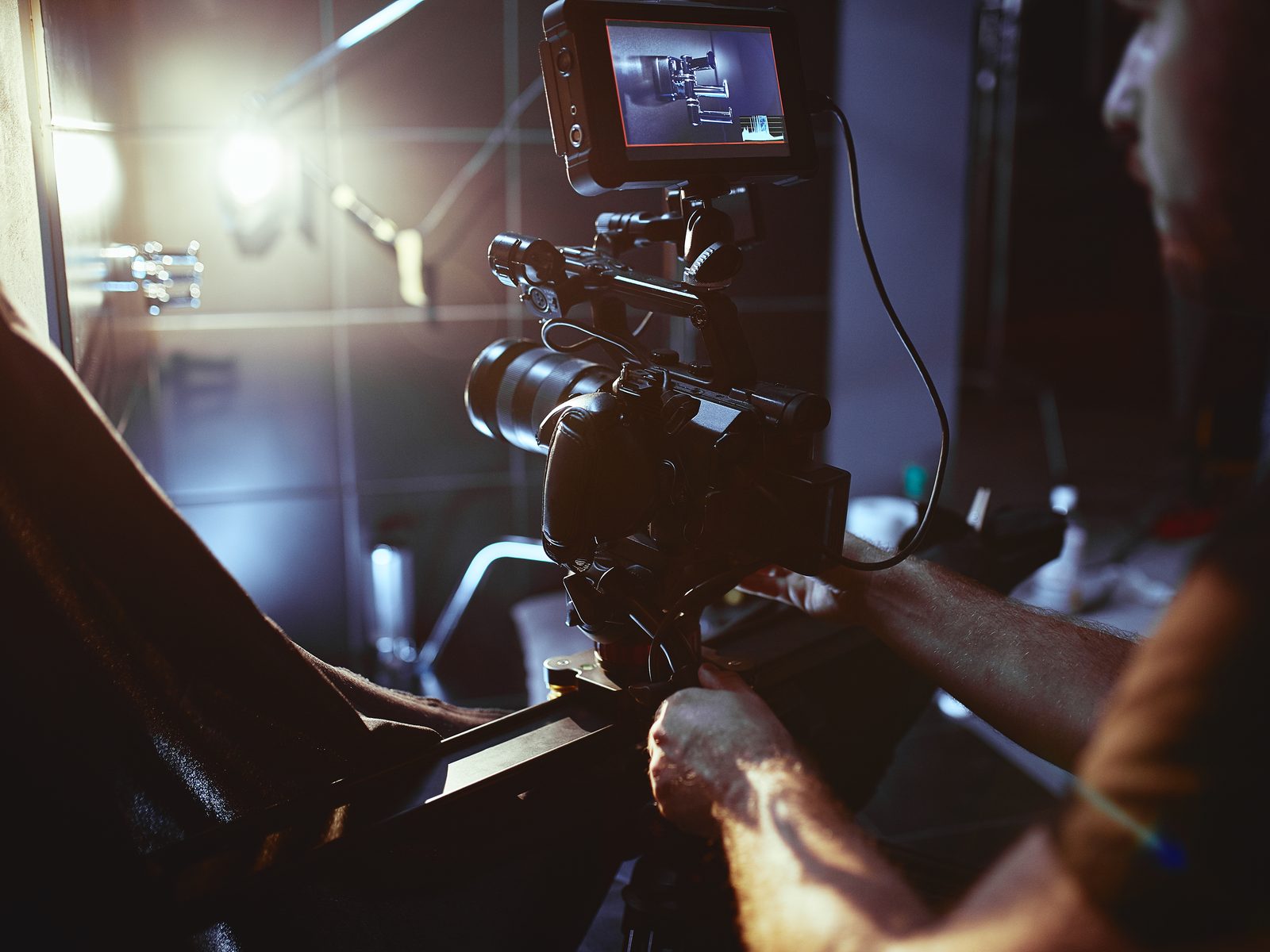
Film and video editors and camera operators typically need a bachelor’s degree in film, broadcasting or a related field, and they need to know digital cameras and editing software. Film and video editors earned a median of $75,420 a year in May 2025, according to the U.S. Bureau of Labor Statistics.
Enter your ZIP to see in-person Film and Video Production programs, with cost, length and next start date.
26 in-person Film and Video Production programs listed in 11 states. Add your ZIP to see the closest ones.
See every in-person Film and Video Production program we list in your state, with costs, pay and licensing.
Job titles that people in this occupation report, from O*NET.
The median pay is $75,420 a year ($36.26 an hour): half earn more, half earn less.
Median annual wage over the past 5 years (2021 to 2025) · National. Shaded: where most earners fall, darker for the middle half.
Half of film and video editors earn more than $75,420 and half earn less. The middle half earn between $52,720 and $105,310. The top 10% earn over $148,550 and the bottom 10% under $40,280, so the highest earners stretch the range above the median.
Median annual wage, 2021 to 2025, national. Not adjusted for inflation.
Most film and video editors have a bachelor’s degree in film, broadcasting or a related field and know editing software well. Employers may train new hires on the software they use, and some editors earn a software vendor’s certification to show their skills.
Film and video editors earned a median of $75,420 a year in May 2025, according to the U.S. Bureau of Labor Statistics. Pay varies by area. Enter your ZIP code in the pay chart on this page to compare your area with the national median.
Video editors turn raw footage into a finished story. They review the footage, pick the strongest shots, trim them and put them in order, then add music, dialogue, sound effects and graphics. They work closely with directors and producers, and nearly all of the work happens on a computer.
It is the stage after filming. Editors organize the footage, choose and cut the shots, and combine them with music, dialogue, sound effects and graphics. They work with the sound and effects teams until the parts play as one continuous film.
Camera operators for television, video and film earned a median of $74,990 a year in May 2025, according to the U.S. Bureau of Labor Statistics. The lowest 10 percent earned less than $38,520, and the highest 10 percent earned more than $135,180.
Camera operators typically need a bachelor’s degree in film, broadcasting or a related field, the same as editors. They also need to understand digital cameras. Many camera operators supervise one or more assistants who set up and care for the equipment.
It depends on the school and the length of the program. Each program page shows the tuition the school publishes. Many accredited programs accept federal financial aid, including Pell Grants, which you do not repay.