How to Become an Audio Engineer: Salary, Jobs, and Training (2026)
Audio engineers earn a $73,130 median (BLS, May 2025). See the jobs, the training paths, and what to ask a school before you apply.

To become an audio engineer, you learn signal flow, recording, mixing, and live sound through a training program or an apprenticeship. Then you build a portfolio of real projects and start in an entry role such as studio assistant, live sound crew, or AV technician. Training programs run from several months to two years or more. The U.S. Bureau of Labor Statistics (BLS) puts median pay for sound engineering technicians at $73,130 a year as of May 2025.
Most people picture a recording studio and a big mixing desk. That job exists, but it's a small slice of where audio work actually is.
What does an audio engineer do?
Audio engineering is the technical work behind recorded and live sound. An audio engineer, also called a sound engineer, records, mixes, edits, and reproduces sound for music, film, TV, podcasts, theater, and live events. The BLS files the job under "sound engineering technicians."
On a normal day that can mean:
Setting up microphones, cables, and mixing consoles before a session or show
Recording vocals and instruments in a DAW such as Pro Tools
Balancing levels so a band sounds right in a room or on a stream
Syncing dialogue and sound effects to picture for film and video
Troubleshooting gear when something fails five minutes before doors
The work happens in recording studios, film and video production companies, live music venues, theaters, broadcast stations, and corporate event spaces.
Audio and sound engineer salary
The median sound engineering technician earns $73,130 a year, well above the $50,980 median for all U.S. jobs. Pay depends heavily on which side of audio you work in.
Role | Median annual pay, May 2025 | Projected change, 2025 to 2035 |
|---|---|---|
Media technical directors and managers | $90,360 | Up 4.0% |
$73,130 | Down 3.1% | |
Lighting technicians | $68,060 | Down 4.8% |
Broadcast technicians | $59,570 | Down 3.1% |
$58,100 | Up 3.9% | |
Audiovisual equipment installers and repairers | $52,600 | Up 4.8% |
The spread is wide, and where you land depends on experience, market, and specialty:
Pay level, May 2025 | Sound engineering technicians | Audio and video technicians |
|---|---|---|
Lowest 10% earn less than | $37,570 | $37,990 |
Median | $73,130 | $58,100 |
Top 10% earn more than | $137,370 | $100,650 |
Experience is what moves you up that range:
Experience | Sound engineering technicians | Audio and video technicians |
|---|---|---|
Entry (0 to 2 years) | $58,535 | $51,456 |
Mid (3 to 5 years) | $88,662 | $64,308 |
Senior | $104,948 | $72,286 |
Expert (8+ years) | Not reported | $100,627 |
Pay by experience: Lightcast, May 2025.
Technicians in the motion picture and sound recording industries had a median of $75,450, and people in major cities usually earn more than those in smaller markets. You can see more pay detail on the Career School App sound engineering technician profile.
One caution: these figures only count people on a payroll. About 11% of workers in this field work for themselves, and freelancers aren't in the wage survey. Freelance income swings much more than the medians suggest.
Is audio engineering a good career?
It can be, but the growth isn't where most people expect it.
Studio and broadcast jobs are shrinking. The BLS projects sound engineering technician jobs to drop 3.1% by 2035, from 15,000 to 14,600, partly because technology, including AI, lets fewer people run more equipment.
AV work is moving the other way. Audio and video technician jobs are projected to grow 3.9%, to 91,100, and AV equipment installer jobs 4.8%. Companies, venues, schools, hotels, and churches keep spending on sound and video systems.
Even with flat growth overall, about 9,800 openings come up each year across broadcast, sound, and video technician jobs, mostly as people retire or switch careers.
So don't train only to mix records. If you can run a live show, wire an AV system, and cut audio for video, you can apply for a lot more jobs.
Where the audio engineering jobs are
Most audio careers start in an entry role and move up through experience and reputation.
Career path | Typical entry job | What you do | Where you work |
|---|---|---|---|
Studio recording | Studio assistant or runner | Set up sessions, wrap cables, assist the engineer | Recording studios |
Live sound | Stagehand or A2 (audio assist) | Load in, place mics, run monitors | Venues, tours, festivals |
Post production | Assistant editor | Edit dialogue, clean noise, sync sound to picture | Film, TV, and video houses |
Broadcast | Board operator | Run audio for radio, TV, and streams | Stations and networks |
AV and installation | AV technician | Install and operate sound and video systems | Hotels, offices, schools, houses of worship |
Podcast and content | Podcast editor or producer | Record, edit, and master spoken audio | Media companies, freelance |
In a studio, the audio engineering career path usually runs from assistant engineer to engineer to mixing or mastering specialist. In live sound it runs from A2 to monitor engineer to front of house (FOH) engineer. In broadcast, experienced technicians can move up to supervisory or chief engineer roles.
Do you need an audio engineering degree?
No. The BLS lists a postsecondary certificate as the typical education to get hired, and 58% of people working in the field don't have a bachelor's degree. Employers care more about whether you can run the gear and whether you have work to show them.
Most people take one of four routes:
A certificate or diploma program, usually several months to about a year. It's the fastest way into an entry job.
An associate degree, about two years. You get general education and often more studio time. Broadcast technicians typically need one.
A bachelor's degree, four years. It helps for broadcast leadership, acoustics, or audio technology roles, but most engineering jobs don't require it.
Teaching yourself and finding an apprenticeship. It can work, but it's slower, and getting time in professional rooms on real consoles is the hard part.
What to look for in audio engineering programs
A program is worth the money only if it gets you ready for work faster than you could manage on your own. Before you apply, ask every school these questions:
How many hours will I personally spend on a console, not just watching a demo?
Which DAWs and consoles will I train on, and are they what local studios and venues use?
Is a certification exam, such as Pro Tools, included in tuition?
Is there an internship or externship, and where have recent students been placed?
What are your graduation and job placement rates, and how do you define "placed"?
What is the total cost, including fees, gear, and software?
If a school can't give you straight answers to these, keep looking.
How to become an audio engineer in 6 steps
Learn the fundamentals: signal flow, gain staging, microphones, and basic acoustics.
Pick a certificate, diploma, or degree program that fits your timeline and budget.
Get as many hours as you can on professional consoles, live rigs, and treated rooms.
Earn a certification such as Pro Tools or Dante so employers know you can work on day one.
Build a portfolio of recordings, mixes, live show credits, and before and after edits.
Take an entry role as an assistant, runner, or crew member, and get to know people. Most audio jobs are filled by referral.
Frequently asked questions
How much do audio engineers make a year?
The median sound engineering technician earned $73,130 in May 2025, according to the BLS. Pay in the first two years runs about $58,535, according to Lightcast.
How long does it take to become an audio engineer?
Training programs take several months to two years. Most people then spend a few years in entry roles before working as a lead engineer.
Can you become an audio engineer without a degree?
Yes. Many employers hire based on practical skill, certifications, and a portfolio rather than a degree.
What is the difference between an audio engineer and an AV technician?
Audio engineers focus on recording, mixing, and reproducing sound. AV technicians, often called audio technicians or sound technicians, set up and run both audio and video systems for events, offices, and venues. AV jobs are growing faster.
Will AI replace audio engineers?
The BLS expects AI and automation to reduce demand for some technicians, since fewer people can run more equipment. Live events, installation work, and creative mixing decisions still need people in the room.
Sources: Career School App: Sound Engineering Technicians and Audio and Video Technicians (BLS OEWS and Employment Projections; pay by experience from Lightcast, May 2025; O*NET under CC BY 4.0). BLS Occupational Outlook Handbook, Broadcast, Sound, and Video Technicians (last modified August 27, 2026). Figures describe the occupation, not any particular program or graduate.
Programs for this path
Audio Production programs near you

How to Get Into Film and Video Production: Jobs, Salary, and Training (2026)
Film and video editors earn a $75,420 median (BLS, May 2025). See the jobs, what they pay, and how to start without wasting years or money.
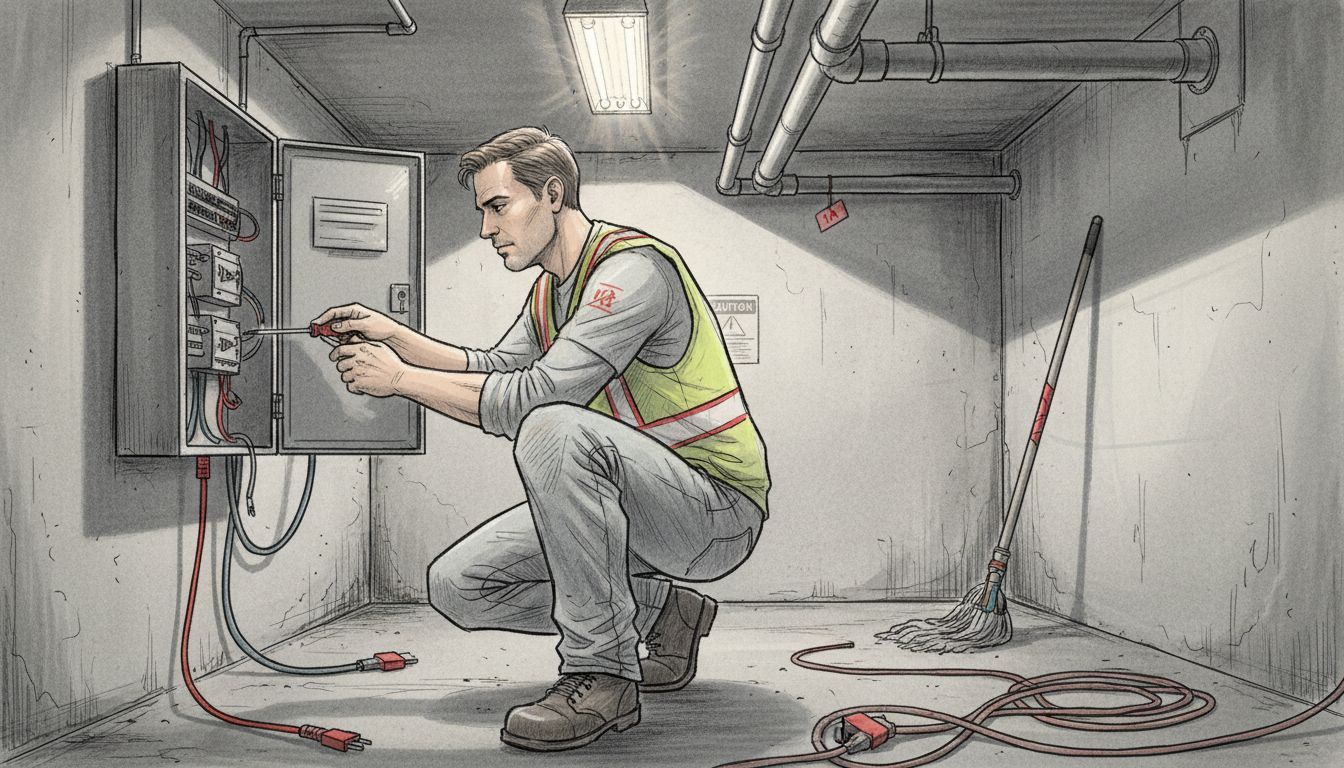
Average income of an electrician
Daily, more than a million electrical professionals across America provide the energy necessary to operate residences, commercial enterprises, and industrial plants. This essential labor force ensures the functionality of intricate networks and serves as a backbone for virtually every local area in the country. Boasting a typical yearly salary of $62,350, these specialists are positioned among the top-earning manual vocations and benefit from remarkable employment stability.
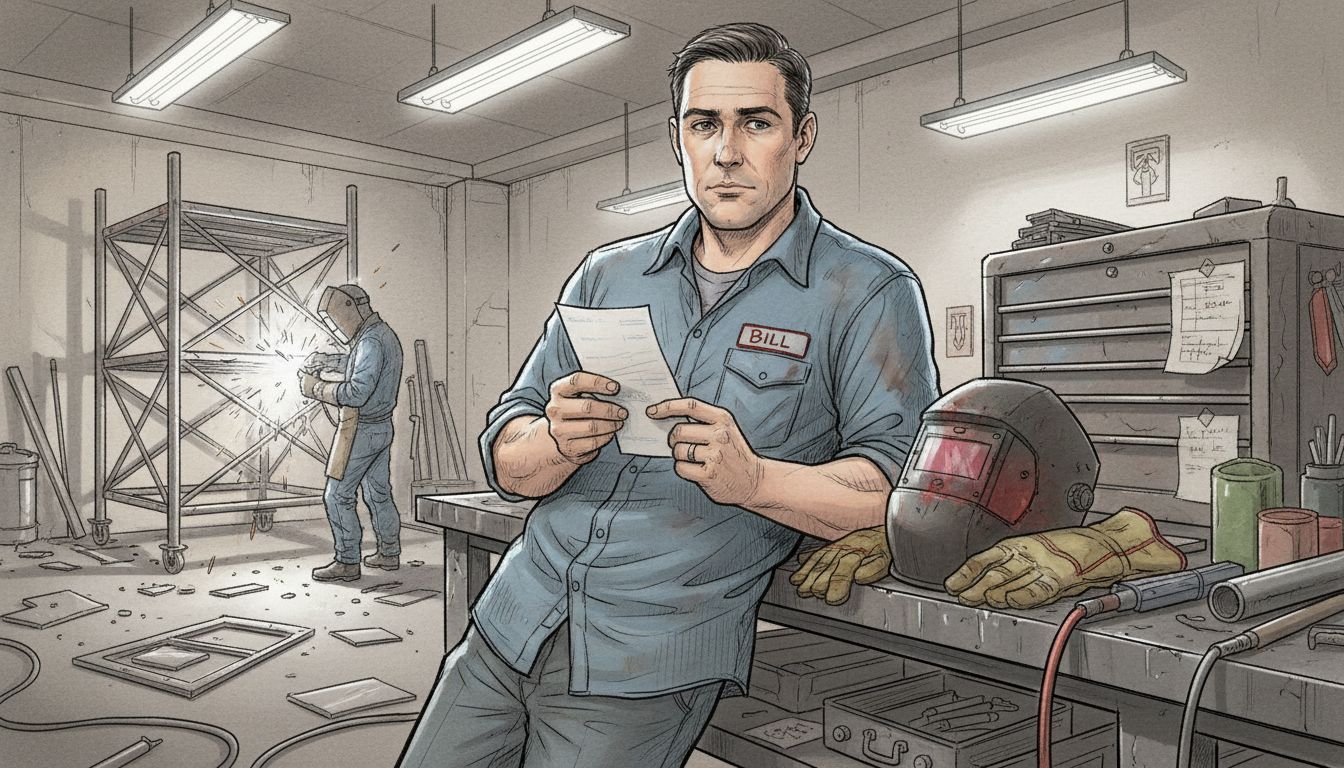
How Much Do Welders Make? Welding Average Salary
New research has shown that the salaries of American welders are grossly inaccurate from previous measurements. Currently, the average salary for a welding professional in the U.S. is around $59,330. However, there are some welders that earn far more than this figure due to other factors affecting the type of welding position. This resource will offer you some great ideas about the key elements that will help you determine how much you will be able to earn as a welder. Including your experience level, education/skill level, geographic location, and specialization as a welder. If you have just started a career as a Welder or are seeking a higher-paying job in the welding industry, understanding what influences the salary of welders will assist you in selecting an appropriate path for your career. This resource provides both the elements that will increase your earning potential, and factors that may limit your earnings potential. Elements that may influence your earning potential include credentials/certifications obtained, welding industry trends, or a combination of these factors.