How to Get Into Film and Video Production: Jobs, Salary, and Training (2026)
Film and video editors earn a $75,420 median (BLS, May 2025). See the jobs, what they pay, and how to start without wasting years or money.
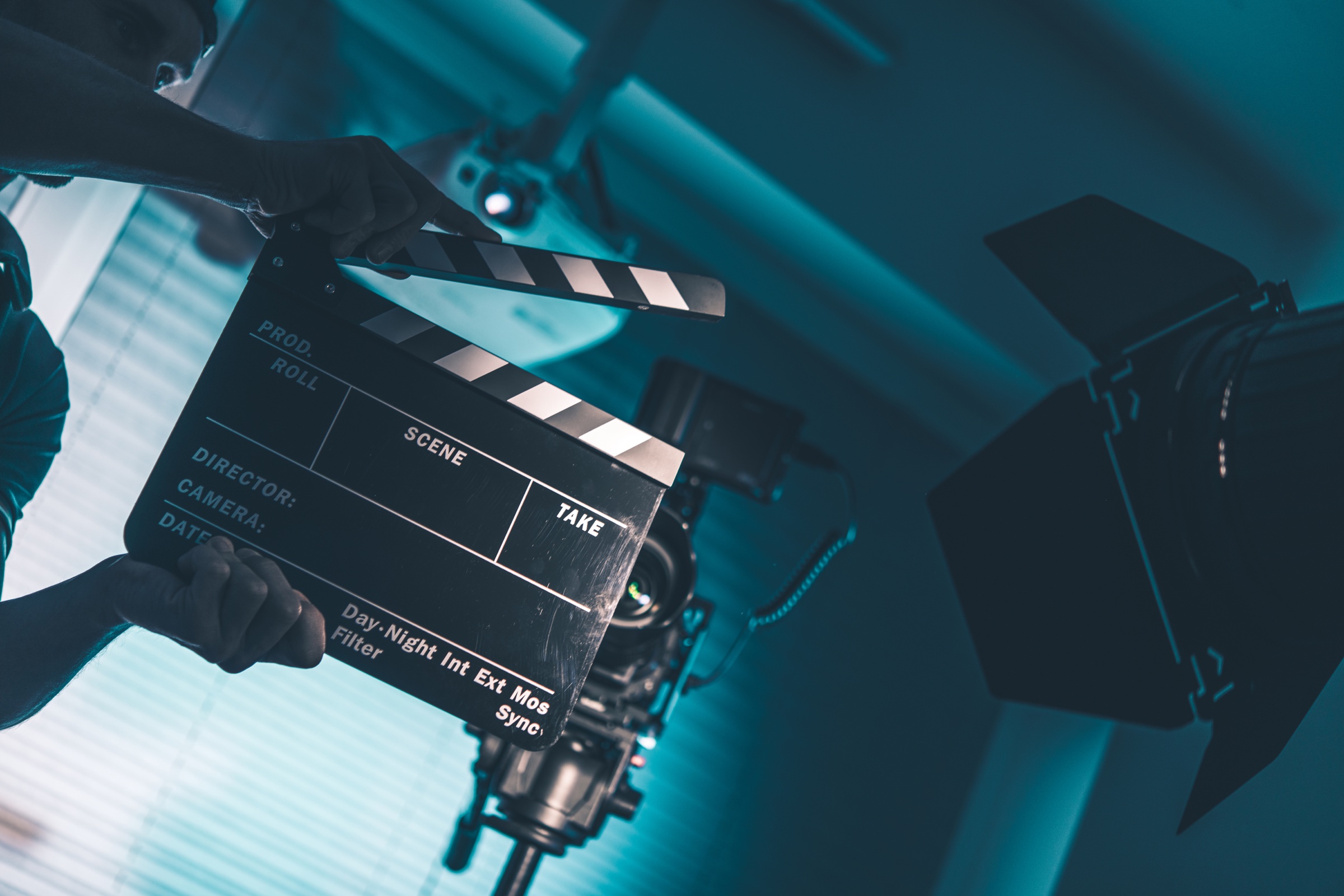
To get into film and video production, you learn camera work, lighting, sound, and editing through a training program or on set, build a reel of real projects, and start in an entry job such as production assistant, assistant editor, or camera assistant. The U.S. Bureau of Labor Statistics (BLS) puts median pay for film and video editors at $75,420 a year and camera operators at $74,990 as of May 2025.
Most people picture Hollywood. Some of the work is there, but a lot more of it is corporate video, local TV, live events, churches, and content for brands and social media.
What is video production?
Video production is the work of planning, shooting, and editing video, from a 30 second ad to a feature film. It usually breaks into three stages: preproduction (scripts, planning, scheduling), production (shooting), and post production (editing, color, sound, and graphics).
The two jobs most people mean when they say they want to work in film and video are:
Film and video editors, who assemble raw footage into a finished piece, adding music, dialogue, sound effects, and graphics
Camera operators, who frame and shoot scenes for TV, film, ads, and online video, working with the director on angles, lenses, and lighting
Many people in smaller shops do both, along with lighting and audio.
Film and video production salary
Editors and camera operators earn close to the same median, both well above the $50,980 median for all U.S. jobs.
Role | Median annual pay, May 2025 | Projected change, 2025 to 2035 |
|---|---|---|
Producers and directors | $90,360 | Up 4.0% |
$75,420 | Up 3.7% | |
$74,990 | Up 1.3% | |
Broadcast technicians | $59,570 | Down 3.1% |
$58,100 | Up 3.9% |
The range is wide:
Pay level, May 2025 | Film and video editors | Camera operators |
|---|---|---|
Lowest 10% earn less than | $40,280 | $38,520 |
Median | $75,420 | $74,990 |
Top 10% earn more than | $148,550 | $135,180 |
Experience is what moves you up that range:
Experience | Film and video editors | Camera operators |
|---|---|---|
Entry (0 to 2 years) | $58,104 | $58,508 |
Mid (3 to 5 years) | $76,300 | $71,230 |
Senior | $91,128 | $89,982 |
Expert (8+ years) | $111,956 | Not reported |
Pay by experience: Lightcast, 2025.
Where you work matters too. Editors in the motion picture and video industries had a median of $79,570. Camera operators there earned $93,940, while those at broadcasting and content companies earned $61,980.
One caution: about 35% of editors and camera operators work for themselves, and freelancers aren't in the wage survey. Freelance income depends on how steadily you book work, and gaps between projects are normal.
Is film and video production a good career?
It can be, if you go in knowing how the work comes.
The field is growing slowly. The BLS projects jobs for editors and camera operators combined to grow 3% by 2035, from 72,000 to 73,900. Editing is growing faster than camera work, 3.7% versus 1.3%.
About 5,600 openings come up each year, mostly as people retire or move into other careers.
Much of the work is project based. On film and TV jobs, the BLS notes that busy shooting periods are often followed by stretches of looking for the next job. Corporate, broadcast, and in house brand jobs are steadier but usually pay less at the top.
So learn to do more than one thing. If you can shoot, edit, and light, you can take a corporate job, a freelance gig, and a weekend event in the same month.
Video production jobs for beginners
Almost everyone starts in a support role and works up through credits, referrals, and a better reel.
Career path | Typical entry job | What you do | Where you work |
|---|---|---|---|
Film and TV sets | Production assistant (PA) | Run errands, lock up sets, help every department | Film and TV productions |
Post production | Assistant editor | Organize footage, sync sound, prep timelines for the editor | Post houses, studios, networks |
Camera | Camera assistant or camera PA | Prep and carry gear, swap lenses and cards, log footage | Productions, rental houses |
Broadcast | Studio camera or production crew | Run cameras and switchers for news, sports, and live shows | TV stations, sports venues |
Corporate and brand video | Video producer or videographer | Shoot and edit training, marketing, and social videos | Companies, agencies, nonprofits |
Freelance | Event videographer | Shoot and edit weddings, events, and local business videos | Self employed |
Post production jobs are a good target for beginners. Assistant editor roles reward organization and software skill more than set experience, and editing is the faster growing of the two main jobs.
From there, editors move up to lead editor and sometimes producer or director. Camera people move from camera assistant to operator to director of photography. The BLS notes that experienced workers with creativity and leadership skills often move into producing or directing.
Do you need a film degree?
Not always, but you should know where the bar sits. The BLS lists a bachelor's degree as the typical education for both editors and camera operators, and about 59% of people working in these jobs have one. That leaves roughly 3 in 10 who got in without a bachelor's degree.
What gets you hired is your reel and your software skills. A degree matters most at networks, large studios, and companies that screen résumés by education. It matters least in freelance, corporate video, events, and content work, where people hire from what you've already made.
Most people take one of four routes:
A certificate or diploma program, usually several months to about a year. It's the fastest way to learn the gear and software and leave with a reel.
An associate degree, about two years. You get general education plus production courses, and some credits may transfer to a bachelor's later.
A bachelor's degree, four years. It opens more doors at networks and large studios and gives you more time to build a body of work.
Teaching yourself and working your way up as a PA. It can work, but it's slower, and getting time with professional cameras and editing suites is the hard part.
A diploma and a bachelor's aren't an either or choice. Plenty of people start with a short program, get working, and add a degree later if their career calls for it.
What to look for in film and video production programs
A program is worth the money only if you leave with skills employers use and work you can show. Before you apply, ask every school these questions:
How many hours will I spend shooting and editing myself, not watching demos?
Which cameras and editing software will I train on, and are they what local production companies use?
Will I finish with a reel of my own projects?
Is a certification exam, such as Adobe Premiere Pro or Avid Media Composer, included in tuition?
Is there an internship or externship, and where have recent students been placed?
What are your graduation and job placement rates, and how do you define "placed"?
What is the total cost, including fees, gear, and software?
If a school can't give you straight answers to these, keep looking.
How to get into film and video production in 6 steps
Learn the basics: camera settings, composition, lighting, audio, and editing.
Pick a certificate, diploma, or degree program that fits your timeline and budget.
Shoot and edit as much as you can, including short films, music videos, and work for local businesses.
Get certified in Adobe Premiere Pro or Avid Media Composer so employers know you can work on day one.
Cut a reel of your best work and keep it under two minutes.
Take an entry job as a PA, assistant editor, or camera assistant, and get to know people. Most production jobs are filled by referral.
Frequently asked questions
How much do film and video editors make?
The median film and video editor earned $75,420 in May 2025, according to the BLS. Pay in the first two years runs about $58,104, according to Lightcast.
How much do camera operators make?
The median camera operator earned $74,990 in May 2025, according to the BLS. Camera operators in the motion picture and video industries had a median of $93,940.
How do I become a video editor?
Learn an editing program such as Adobe Premiere Pro or Avid Media Composer, build a reel, and start as an assistant editor or freelance editor. Training programs take several months to four years, depending on the credential.
Is film school worth it?
It depends on the job you want. For networks and large studios, a bachelor's degree helps. For corporate, event, and freelance work, a shorter program that leaves you with real skills and a strong reel can get you working sooner and for less money.
What is the difference between a videographer and a camera operator?
A videographer usually handles a whole project alone, shooting and often editing, for events, businesses, and online content. A camera operator usually works on a larger crew, focused on running the camera while others handle lighting, sound, and editing.
Sources: Career School App: Film and Video Editors, Camera Operators, Television, Video, and Film, and Audio and Video Technicians (BLS OEWS and Employment Projections; pay by experience from Lightcast, 2025; O*NET under CC BY 4.0). BLS Occupational Outlook Handbook, Film and Video Editors and Camera Operators (last modified August 27, 2026). Figures describe the occupation, not any particular program or graduate.
Programs for this path
Digital Media Production programs near you

How to Become an Audio Engineer: Salary, Jobs, and Training (2026)
Audio engineers earn a $73,130 median (BLS, May 2025). See the jobs, the training paths, and what to ask a school before you apply.
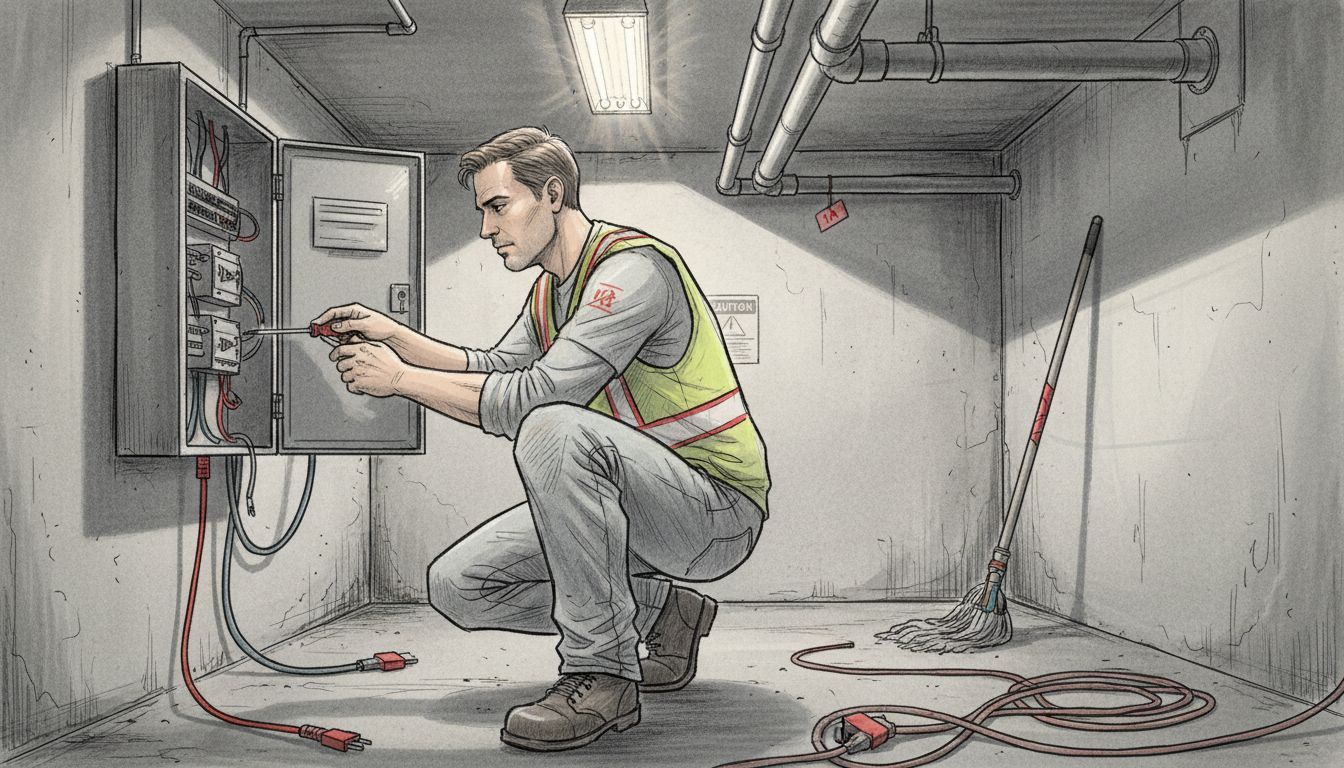
Average income of an electrician
Daily, more than a million electrical professionals across America provide the energy necessary to operate residences, commercial enterprises, and industrial plants. This essential labor force ensures the functionality of intricate networks and serves as a backbone for virtually every local area in the country. Boasting a typical yearly salary of $62,350, these specialists are positioned among the top-earning manual vocations and benefit from remarkable employment stability.
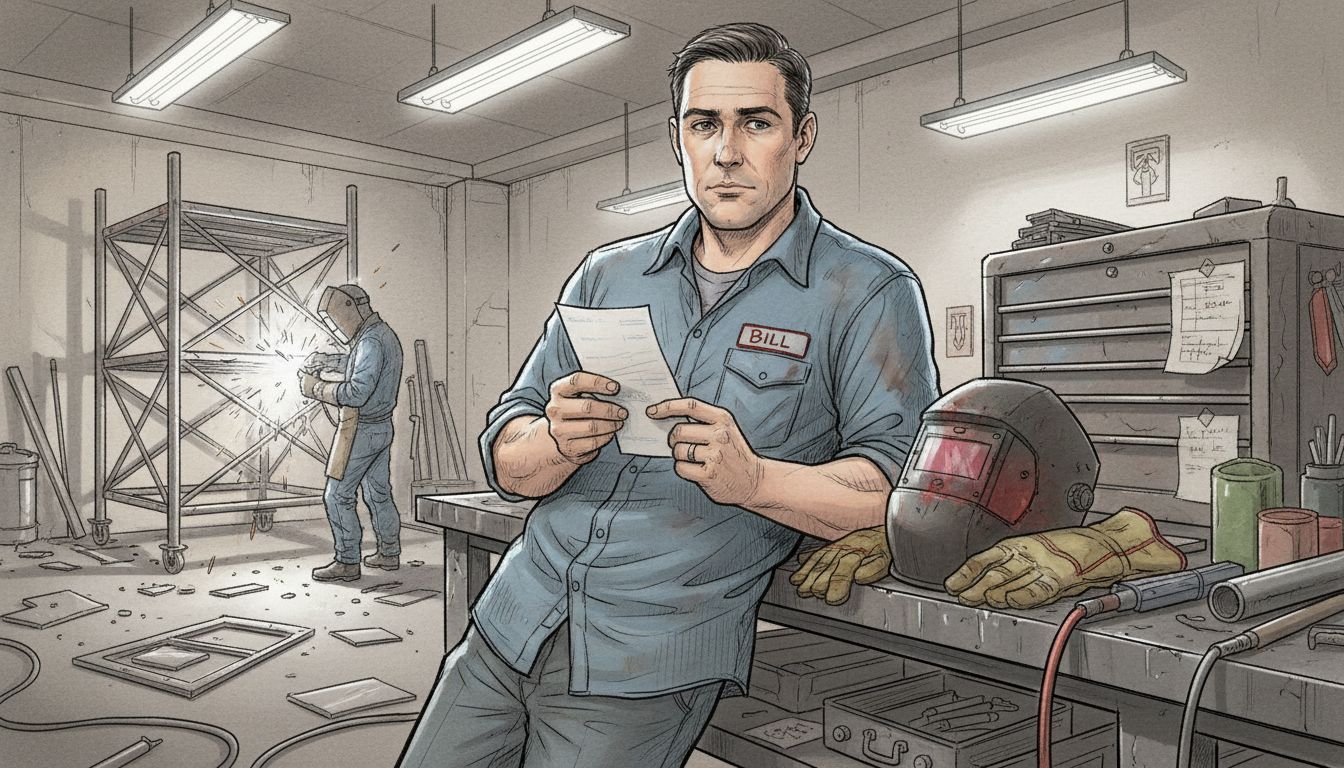
How Much Do Welders Make? Welding Average Salary
New research has shown that the salaries of American welders are grossly inaccurate from previous measurements. Currently, the average salary for a welding professional in the U.S. is around $59,330. However, there are some welders that earn far more than this figure due to other factors affecting the type of welding position. This resource will offer you some great ideas about the key elements that will help you determine how much you will be able to earn as a welder. Including your experience level, education/skill level, geographic location, and specialization as a welder. If you have just started a career as a Welder or are seeking a higher-paying job in the welding industry, understanding what influences the salary of welders will assist you in selecting an appropriate path for your career. This resource provides both the elements that will increase your earning potential, and factors that may limit your earnings potential. Elements that may influence your earning potential include credentials/certifications obtained, welding industry trends, or a combination of these factors.