


Pima Medical Institute
Dental Assistant (DEN)
Certificate
On-CampusFinancial Aid
Phoenix Campus
Phoenix, AZ
Next start
Rolling enrollment
Duration
30 Weeks
App fee
None
Tuition
$17,405 for the Program
Surgical Technology (ST) is an Associate Degree program offered by Pima Medical Institute in Phoenix, AZ. The program takes 75 weeks to complete, with a total tuition of $37,940.
To prepare competent, entry-level surgical technologists with curriculum that addresses the three learning domains: cognitive (knowledge), psychomotor (hands-on skills), and affective (professional behavior and conduct). Students develop the skills required to become an integral member of the surgical team, which includes surgeons, anesthesiologists, registered nurses, and other personnel who deliver patient care before, during, and after surgery.
At the Phoenix campus, this associate degree program prepares you to work as an entry-level surgical technologist, developing the cognitive knowledge, technical skills and professional judgment the role requires. In your final semester, Certification Preparation coursework helps prepare you to sit for the National Board of Surgical Technology and Surgical Assisting (NBSTSA) Certified Surgical Technologist (CST) exam.
Graduates of this program receive an Associate of Applied Science Degree.
Programmatic accreditation. The Surgical Technology program is programmatically accredited by the Accrediting Bureau of Health Education Schools (ABHES), 6116 Executive Blvd., Suite 730, North Bethesda, MD 20852; (301) 291-7550; www.abhes.org.
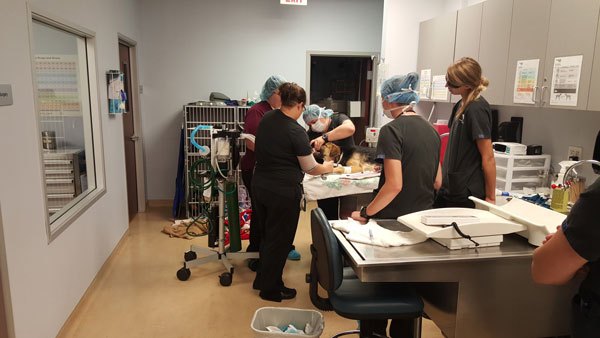
Operating-room skills. Sterile technique and infection control; surgical instrumentation and equipment setup; patient positioning, prepping and draping; and surgical pharmacology and anesthesia awareness.
Three surgical labs and a 504-hour practicum. Lab work grows from 75 hours in the second semester to 120 hours in each of the third and fourth semesters, and the program ends with a 504-hour Clinical Practicum under the supervision of practicing professionals.
In addition to the Admissions requirements listed in the Prospective Students section of the catalog, an interview with the program director and/or faculty is required for Surgical Technology. Admission requirements apply to the program as a whole regardless of delivery method, and a passing entrance exam score is good for one year from the date of initial acceptance. Externship sites may have a minimum age requirement, and placement of a student younger than 18 is not guaranteed.
Program length. Surgical Technology at the Phoenix campus is 70 semester credits and 1,572 clock hours (708 theory, 360 lab and 504 externship hours), completed in 75 weeks over five 15-week semesters. The externship is 15 weeks.
Class sessions. The Phoenix start-date calendar schedules this program in afternoon sessions, 1:00 PM to 5:00 PM, Monday through Friday.
Delivery. At the Phoenix campus the program is delivered on-ground.
Program cost. Under the Phoenix campus Tuition Price List, effective July 1, 2026, the total cost of the Surgical Technology (ST) program is $41,230: tuition $37,940, registration fee $150, textbooks $2,375, uniform $165, technology fee $600. The price list states a cost of $542 per credit hour.
The registration fee is charged for each enrollment, unless the student returns to the same program within 180 days. Textbook and uniform charges include tax at 9.1%. The technology fee on the price list is the combined charge for every enrollment period of the program; students who attend beyond the published program length (for example, course retakes) continue to be charged a technology fee for each additional semester in which they are enrolled. Additional student expenses may include, but are not limited to, required immunizations, health insurance, background check, drug screening, clinical registration fees, and travel or parking expenses related to clinical externships or field trips.
Financial aid. Federal aid (FAFSA), institutional scholarships and payment plans are available for those who qualify. Students first complete the Free Application for Federal Student Aid (FAFSA); the federal school code for this campus is 041771. Federal Pell Grants are generally awarded only to undergraduate students who display exceptional financial need and have not earned a bachelor's, graduate, or professional degree.
Military and veterans. Pima Medical Institute has programs approved for VA education benefits and accepts the Post-9/11 GI Bill®, Survivors’ and Dependents’ Educational Assistance (Chapter 35), the Montgomery GI Bill® Active Duty (Chapter 30), Veteran Readiness and Employment (Chapter 31) and MyCAA for those who qualify. Selected programs at this campus are approved for veterans educational benefits by the Arizona State Approving Agency.
The curriculum runs over five semesters. Semester I (12.5 credits) and Semester II (16.5 credits) cover anatomy and physiology, medical terminology, communications, math, microbiology, surgical patient care and the principles of surgical technology, ending with the first surgical lab. Semester III (15.0 credits) and Semester IV (12.0 credits) cover surgical pharmacology and anesthesia, endoscopic and basic and advanced surgical procedures, clinical preparation and professional development, each with a 120-hour surgical lab. Semester V (14.0 credits) pairs certification preparation with the 504-hour clinical practicum.
Semester II courses list the Semester I courses as prerequisites.
| Subject # | Name | Credits |
|---|---|---|
The Surgical Technology associate degree prepares students to apply for roles including surgical technologist, laser/endoscopy technologist, procurement technologist, labor and delivery technologist, private or travel surgical technologist, and educator (with further experience/credentials). These roles exist across hospitals, outpatient surgery centers, endoscopy clinics, plastic surgery offices, medical device companies and central sterile departments.
Certification. Students who successfully complete the program are eligible to take the NBSTSA Certified Surgical Technologist (CST) examination for certification; certification and state registration requirements vary. Pima Medical Institute states that the program meets applicable licensure requirements in Arizona.
Career advancement. Graduates can build toward specialized surgical settings, travel positions or an educator role, and Pima Medical Institute offers an online Bachelor of Science in Health Care Administration for those interested in leadership or healthcare administration.
Career Services. Pima Medical Institute’s Career Services team facilitates professionalism workshops (cover letters, resumes, interviews and networking), is responsible for externship placements, and provides job placement assistance to every graduate, including help with cover letters, resumes and interview skills, long after graduation.
Certification exam before graduation. Students must attempt the CST examination prior to graduating from the program; if the exam is postponed for any reason, it could result in a delayed graduation date.
Clinical practicum. The final-semester practicum is a hands-on externship in a real surgical setting, and Career Services is responsible for externship placements. Clinical externships offer resume-worthy experience, letters of recommendation from supervisors and sometimes job placement directly after graduation.
On-ground attendance. Completion of this program requires on-ground attendance at the Phoenix campus and cannot be completed solely via distance education. Students planning to relocate out of state must discuss it with the Student Services Coordinator and/or Program Director.
When you attend an accredited institution, you are attending a school that has undergone a rigorous process that evaluates educational quality. It's not easy to become or remain an accredited institution. The rules and regulations are strict, precise and designed to protect students. Here are some of the benefits:
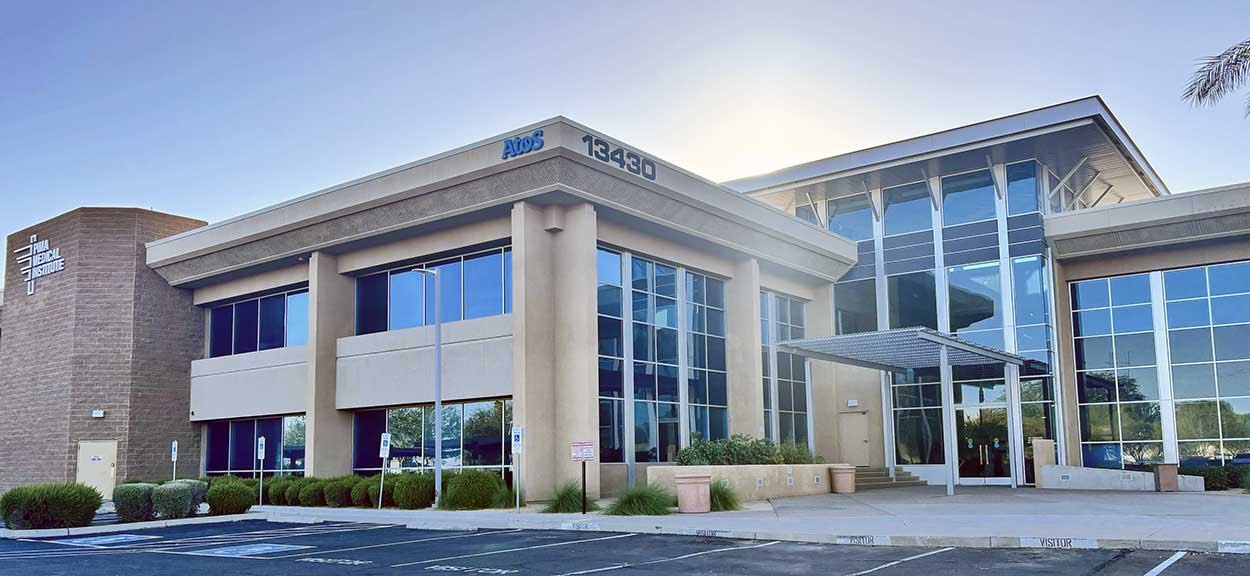
Pima Medical Institute in Phoenix, AZ also offers these 10 programs at 13430 N. Black Canyon Highway, Suite 100, Phoenix, AZ 85029.
Certificate
Associate Degree
Associate Degree
Certificate
Certificate
Certificate
Certificate
Certificate
Certificate
Associate Degree